
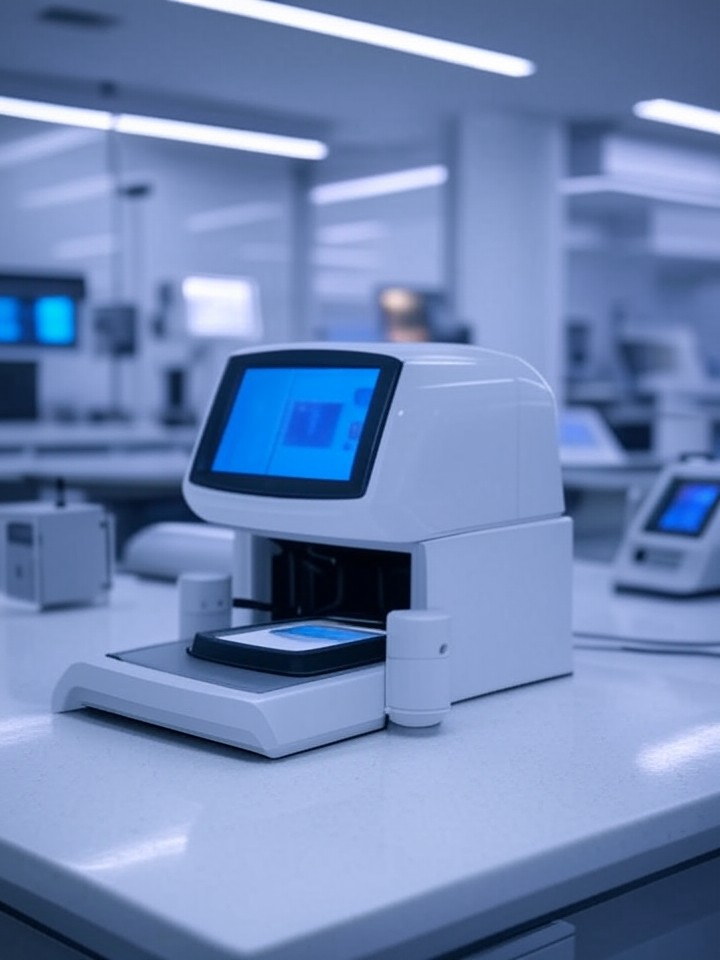
In the heart of Silicon Valley, where innovation often blurs the line between breakthrough and hype, a new fixation has taken hold among tech elites: biological age testing. Venture capitalists, startup founders, and biotech enthusiasts are shelling out hundreds, sometimes thousands, of dollars for kits that promise to reveal not just their chronological age, but a supposedly more telling “biological age”—a metric purporting to show how old their bodies truly are on a cellular level. These tests, marketed by companies like Elysium Health and InsideTracker, analyze blood, saliva, or even epigenetic markers to deliver scores that can either reassure or alarm users about their aging process.
Take Meltem Demirors, a prominent venture capitalist known for her investments in cryptocurrency and emerging tech. She openly admits to indulging in exotic wellness pursuits, from peptide injections to hiring personal longevity coaches, all in a bid to outpace Father Time. Demirors is part of a growing cohort in the Valley who view aging not as an inevitable decline but as a solvable engineering problem. Yet, beneath the glossy marketing and venture-backed optimism lies a chorus of skepticism from scientists who argue these tests are far from reliable, often yielding inconsistent results that raise more questions than answers.
This obsession isn’t new, but it’s accelerating. Influenced by figures like Bryan Johnson, the tech entrepreneur who has turned his body into a living experiment through extreme regimens, many in Silicon Valley are integrating biological age metrics into their daily lives. Johnson’s own Blueprint program, which includes a biological age test measuring organ health and aging speed, has garnered massive attention on social media platforms like X, where posts about his methods rack up hundreds of thousands of views. But as these tests proliferate, they’re drawing scrutiny for their scientific underpinnings—or lack thereof.
The Science Behind the Scores
At the core of biological age testing are algorithms that assess biomarkers such as DNA methylation patterns, telomere length, or inflammation levels. Proponents claim these provide a snapshot of how lifestyle, diet, and interventions affect cellular aging. For instance, a test might declare someone biologically 10 years younger than their birth certificate suggests, fueling motivation for further optimization. Companies tout peer-reviewed studies to bolster their claims, but experts point out that the field is still nascent, with no standardized method for calculating biological age.
A recent article in The Information highlighted this inconsistency vividly. One venture capitalist underwent three different tests, receiving results of 21, 38, and 40 years old—wildly varying numbers that underscore the tests’ unreliability. Matt Kaeberlein, a biologist quoted in the piece, emphasized that while intriguing for research, these tools aren’t ready for consumer use or clinical decision-making. “Right now, biological age tests are not useful for clinical care or consumer health guidance,” he stated, reflecting a broader sentiment among academics.
This echoes findings from older reports, such as a 2019 piece in The Guardian, which explored Silicon Valley’s broader quest for immortality. Funded by billionaires like Peter Thiel and Jeff Bezos, initiatives from companies like Altos Labs aim to tweak the human body for extended lifespans. Yet, even then, critics warned that the science was more speculative than solid, with ethical concerns about turning longevity into a luxury for the elite.
Venture Capital’s Role in Fueling the Trend
The influx of venture money is supercharging this movement. Billions have poured into longevity startups, with firms like Altos Labs raising over $3 billion to pursue age-reversal therapies. A December 2025 article in Law News detailed how tech titans are betting against time, viewing aging as the next frontier after AI and electric vehicles. This investment fervor has created a market for at-home testing kits, priced from $100 to $500, that promise actionable insights.
Social media amplifies the hype. Posts on X from influencers like David Sinclair, a Harvard biologist and longevity advocate, discuss AI-designed pills that could reset biological age, garnering over 100,000 views. One such post from Sinclair last month celebrated advancements in epigenetic reprogramming, positioning it as a potential game-changer. Similarly, Peter Diamandis, founder of the XPRIZE Foundation, has shared updates on molecules screened by AI for age reversal, predicting an extra 30 healthy years within a decade.
However, not all feedback is glowing. Recent discussions on X reveal a mix of excitement and doubt, with users questioning the validity of tests that fluctuate based on minor variables like sleep or diet. A post from The Information earlier this month noted that despite inconsistent results, Valley insiders can’t resist the allure, spending lavishly on repeated assessments.
Critiques from the Scientific Community
Skeptics argue that the rush to commercialize biological age testing outpaces the evidence. In a June 2025 viewpoint from Medscape, experts debated whether longevity should become another privilege gap, warning that unproven tech could mislead consumers. Biological age isn’t a single, fixed number; it’s influenced by myriad factors, and current tests often rely on proprietary algorithms lacking transparency.
This mirrors concerns in a September 2025 article from the Genetic Literacy Project, which critiqued Silicon Valley’s tendency to “optimize” human biology, including embryo selection for traits like longevity. The piece argued that applying tech’s disruptive ethos to genetics risks ethical pitfalls, much like the dubious science behind some age tests.
Even innovative approaches, such as those from Life Biosciences using Yamanaka factors to rejuvenate cells in mice, face hurdles in human translation. A post on X from Dr. Singularity last August highlighted promising mouse trials for their ER-300 drug, but human efficacy remains unproven, with potential side effects like cancer risks from cellular reprogramming.
Personal Stories and Real-World Applications
Amid the debate, personal anecdotes drive adoption. Bryan Johnson’s journey, documented extensively online, shows him reducing his biological age through diet, exercise, and supplements. His Blueprint test, which evaluates 11 organ ages, has inspired followers to track their own metrics. On X, Johnson’s February 2025 post about the test’s accuracy in aligning with his biomarkers received over 180,000 views, sparking conversations about accessible anti-aging tools.
Yet, not everyone sees benefits. Some users report frustration with conflicting results, leading to unnecessary anxiety or extreme lifestyle changes. A recent TechSpot article from last week, available at TechSpot, warned about the rise of unproven peptides in self-optimization, drawing parallels to the hype around GLP-1 drugs like Ozempic, but with weaker evidence.
Industry insiders also note the psychological appeal. In a culture obsessed with quantification—think fitness trackers and productivity apps—biological age offers a new data point for self-improvement. As one anonymous VC told The Information, it’s like “hacking your own OS,” even if the code is buggy.
Regulatory and Ethical Horizons
Looking ahead, regulators are starting to scrutinize this burgeoning field. The FDA has yet to approve most biological age tests as medical devices, treating them instead as wellness products with limited oversight. This gray area allows companies to market aggressively, but calls for stricter standards are growing, especially as tests influence decisions on supplements or therapies.
Ethical questions loom large. A 2019 Guardian article first raised alarms about immortality pursuits exacerbating inequality, a theme echoed in recent X posts from Quartz, which last week described how Silicon Valley is “reprogramming” aging, with billions invested. If effective therapies emerge, who gets access? The Medscape piece from mid-2025 posed this starkly: Could longevity become a system where benefits are universal, or just another elite perk?
Moreover, the integration of AI is accelerating developments. Posts on X from figures like Haider last June discussed AI molecules replacing gene therapies for age reversal, potentially as simple as a four-week pill regimen. David Sinclair’s December post reinforced this, noting AI’s role in engineering safe resets.
The Broader Implications for Health Tech
This trend reflects Silicon Valley’s broader shift toward health tech, where anti-aging intersects with AI, biotech, and personalized medicine. Startups like Insilico Medicine, praised in Sinclair’s posts, use AI to screen compounds rapidly, promising faster paths to treatments. Yet, a three-week-old article in Science from AAAS examined billionaire-backed labs like Episteme, aiming to free research from bureaucracy, but history shows such freedom can lead to overhyped claims.
Critics like Kaeberlein, in his X post responding to The Information article, stress that while promising, the science is “very much a work in progress.” Inconsistent tests could erode trust in legitimate longevity research, much like past wellness fads.
Ultimately, as Silicon Valley pushes boundaries, the line between innovative health tools and pseudoscience blurs. For now, biological age testing serves as a mirror to the Valley’s ambitions—bold, data-driven, and ever-optimistic, even when the numbers don’t add up. Whether it evolves into a reliable metric or remains a pricey novelty depends on bridging the gap between hype and hard evidence, a challenge that could redefine how we approach aging in the years ahead.


 WebProNews is an iEntry Publication