
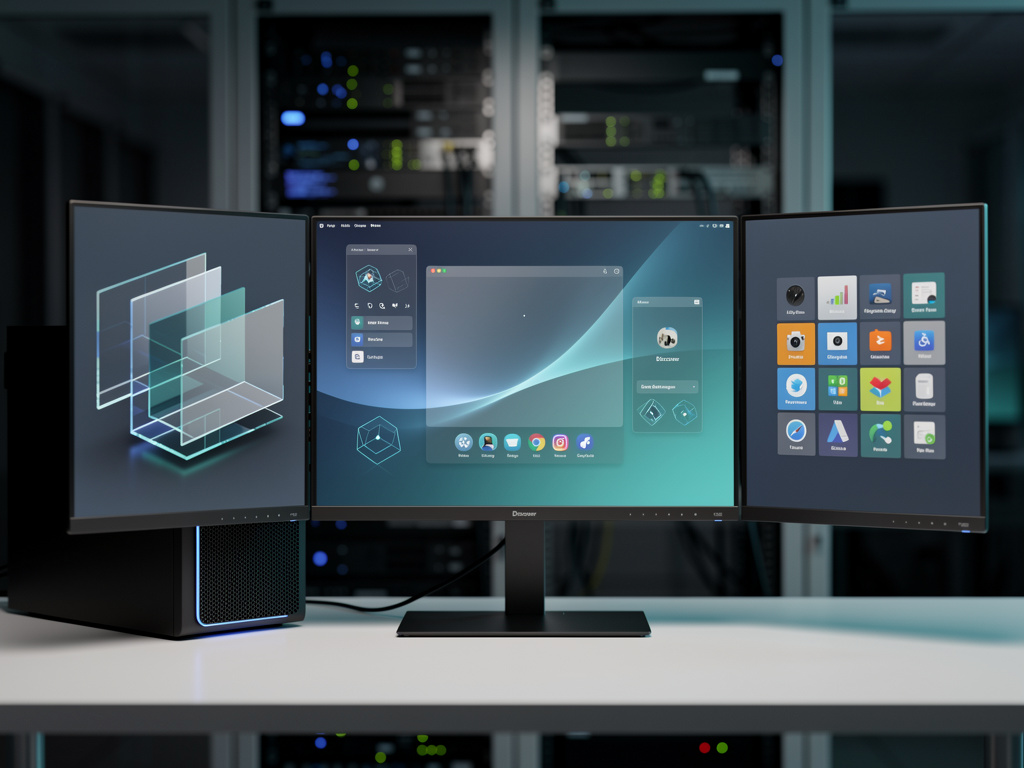
The relentless march of open-source development is rarely characterized by the coordinated precision seen in corporate giants like Apple or Microsoft, yet the KDE community is currently defying that stereotype with a display of disciplined engineering. With the imminent arrival of the Plasma 6.6 desktop environment, the developers have signaled a strategic pivot from radical architectural shifts to aggressive stabilization. As the ecosystem digests the massive transition to the Qt6 framework initiated earlier this year, the release of Plasma 6.6 Beta 2 serves as a bellwether for the platform’s readiness in enterprise and professional environments. As reported by Phoronix, this release represents a critical milestone, adhering to a "soft feature freeze" that prioritizes code integrity and bug remediation over the introduction of volatile new functionality.
This development cycle is particularly notable for its focus on the "unsexy" underpinnings of the desktop experience: compositor stability, memory management, and the intricate dance of display protocols. While previous iterations focused on the visual overhaul necessary to modernize the Linux desktop, Beta 2 doubles down on reliability. Industry observers note that for Linux to compete meaningfully for market share on desktop workstations—beyond its stronghold in server rooms—the user experience must be devoid of the visual artifacting and random crashes that have historically plagued X11-to-Wayland transitions. The current beta indicates that the KDE team is systematically paying down the technical debt accrued during the rapid development of Plasma 6.0.
The Strategic Pivot Toward Compositor Robustness and the Elimination of Critical System Instabilities in the Wayland Protocol
At the heart of this update lies KWin, the window manager and Wayland compositor that dictates how users interact with their applications. In the high-stakes arena of display management, KWin has undergone significant hardening in this beta cycle. The developers have addressed specific race conditions that previously led to crashes during screen locking and unlocking sequences—a critical flaw for enterprise security environments where unattended workstations must remain secure yet responsive. Furthermore, the handling of GPU resets has been refined. In the volatile world of graphics drivers, particularly with proprietary hardware, the ability of the desktop to recover gracefully from a driver hang without taking down the entire user session is a requirement for professional workflows.
The push toward Wayland exclusivity is gaining momentum, and Plasma 6.6 Beta 2 accelerates this trend by refining how legacy X11 applications behave within the new protocol. The proprietary graphics stack, particularly from NVIDIA, has often been a friction point for Linux adoption. However, recent collaborative efforts and driver updates, synchronized with KDE’s compositor improvements, are smoothing out the jagged edges of explicit sync and buffer management. By resolving these low-level interaction issues, KDE is effectively removing the technical barriers that have kept many gamers and content creators tethered to the aging X11 windowing system.
Refining the Software Acquisition Pipeline to Mirror the Seamless Experience of Commercial App Stores
Beyond the kernel and compositor interactions, the user’s primary gateway to software—the Discover center—has received substantial attention. In the fragmented world of Linux package management, where Flatpaks, Snaps, and native distribution packages coexist, presenting a unified front is a complex UX challenge. According to recent changelogs analyzed by the KDE developer community blogs, the team has overhauled the review submission process and interface consistency within Discover. This is not merely cosmetic; it addresses the trust deficit that can occur when users are presented with a disjointed or buggy software installation interface.
The improvements in Beta 2 extend to how the system handles updates and offline capabilities. For system administrators managing fleets of laptops, the reliability of the software center is paramount. The update introduces better handling of metered networks and more granular control over when updates are fetched and applied. This level of polish brings the Plasma desktop closer to the "set it and forget it" standard expected by users migrating from macOS or Windows, where system maintenance is largely automated and unobtrusive.
Harmonizing Visual Consistency and System Settings to Reduce Cognitive Load for Professional Users
A recurring criticism of powerful open-source desktops is the overwhelming density of configuration options, often referred to as "option paralysis." Plasma 6.6 Beta 2 continues the arduous task of reorganizing the System Settings application to be more intuitive without sacrificing depth. The developers have refined the hierarchy of settings, ensuring that critical display and input configuration options are surfaced logically. This includes tweaks to the accent color selection algorithms and the behavior of the "Overview" and "Grid" effects, which are essential for multitasking workflows.
These interface refinements are supported by subtle changes in the Breeze theme and icon sets, ensuring high-DPI scalability. As 4K and 8K monitors become standard in development and creative sectors, the desktop environment must render interface elements with mathematical precision to avoid blurriness. The Beta 2 release includes fixes for fractional scaling artifacts, a notoriously difficult problem in GUI rendering that KDE is now solving with greater efficacy than many of its competitors. This visual consistency is vital for retaining users who demand a pixel-perfect environment for design and media production.
Expanding Hardware Compatibility for Creatives and the Burgeoning Portable Gaming Sector
The influence of the Steam Deck and other handheld gaming PCs cannot be overstated in the context of KDE’s recent trajectory. Because SteamOS is based on KDE Plasma, optimizations for gamepads, touch inputs, and small high-resolution screens flow directly back into the core desktop project. Beta 2 includes specific fixes for input device calibration and the handling of external displays on portable devices. This symbiotic relationship between a major hardware vendor (Valve) and the open-source project is accelerating the maturation of features that benefit the average laptop user, such as better power management profiles and touch-screen gesture recognition.
Furthermore, support for drawing tablets and creative input devices has been bolstered. The Wacom tablet settings panel has seen bug fixes that ensure button mapping and pressure sensitivity curves are preserved across reboots. For digital artists relying on open-source tools like Krita or Blender, the operating system’s ability to seamlessly interpret input from specialized hardware is non-negotiable. By stabilizing this support in 6.6 Beta 2, KDE is strengthening its case as a viable OS alternative for the digital content creation industry, a sector long dominated by Apple.
The Broader Implications of the ‘Soft Feature Freeze’ on the Enterprise and Long-Term Support Ecosystem
The terminology "soft feature freeze" used in the release announcement is significant for enterprise forecasting. It indicates that the codebase is settling, allowing third-party integrators and distribution maintainers to begin their qualification processes. For Linux distributions that prioritize stability, such as Debian or Enterprise Linux derivatives, this phase is where the viability of the next release is determined. The focus on bug fixing in Beta 2 suggests that Plasma 6.6 will be a "tick" in the "tick-tock" development model—a release defined by refinement rather than disruption.
This predictability is an asset. In corporate deployments, the cost of change management is high. By delivering a release that focuses on fixing crashes in KWin and smoothing out UI inconsistencies, KDE is lowering the total cost of ownership for organizations considering a migration to Linux. The reduction in support tickets generated by a crashing desktop environment directly translates to operational savings. The official KDE announcements channel emphasizes this commitment to quality assurance, highlighting the automated testing infrastructure that now catches regressions before they reach the user.
Analyzing the Trajectory Toward Plasma 7 and the Future of the Open Desktop Metaphor
While Plasma 6.6 is the immediate focus, industry insiders view this stabilization phase as the foundation for the next decade of the Linux desktop. The transition to Qt6 is now largely complete, and the focus is shifting toward leveraging the new capabilities of the framework. The stability achieved in Beta 2 allows developers to look forward to more advanced features in future releases, such as deeper AI integration into the desktop search and workflow automation, without the fear of destabilizing the core experience.
Ultimately, KDE Plasma 6.6 Beta 2 is less about the excitement of the new and more about the assurance of the reliable. It is a release for the user who needs their computer to disappear into the background, allowing them to focus on their work. In the volatile terrain of operating system development, achieving boring reliability is often the most exciting achievement of all. As the release candidate stage approaches, the open-source community watches with anticipation, not for fireworks, but for the solid, unshakeable performance that defines a mature computing platform.


 WebProNews is an iEntry Publication