
Francesco Mattana grew up in Sardinia. His grandparents fished the waters and farmed the land. Fresh catch and garden produce filled the family table. Mamma and nonna turned them into pasta and stews. Simple. Seasonal. That early education shaped a chef who now shares the food of one of the planet’s rare Blue Zones.
Sardinia stands out among the five original Blue Zones identified by researchers. This rugged Italian island boasts nearly 10 times as many centenarians per capita as the United States. Genetic markers play a part. So do daily habits. Yet the diet remains central to explanations of exceptional longevity.
Mattana’s new cookbook Eat Like a Sardinian: Live to 100 distills those habits into practical recipes. He draws directly from childhood meals and the traditions that sustain men and women well past 100. The dishes emphasize beans, vegetables, whole grains, olive oil, and modest portions of fish, meat, or local cheese. They mirror the classic Sardinian pattern documented by longevity experts.
According to Blue Zones research, the island’s centenarians eat whole-grain bread, beans, garden vegetables, fruits, and pecorino cheese made from grass-fed sheep. Meat appears mainly on Sundays or special occasions. Families gather, share moderate Cannonau red wine, walk several miles daily as shepherds once did, and maintain tight social bonds. Laughter flows easily. Stress stays low. These patterns compound over decades.
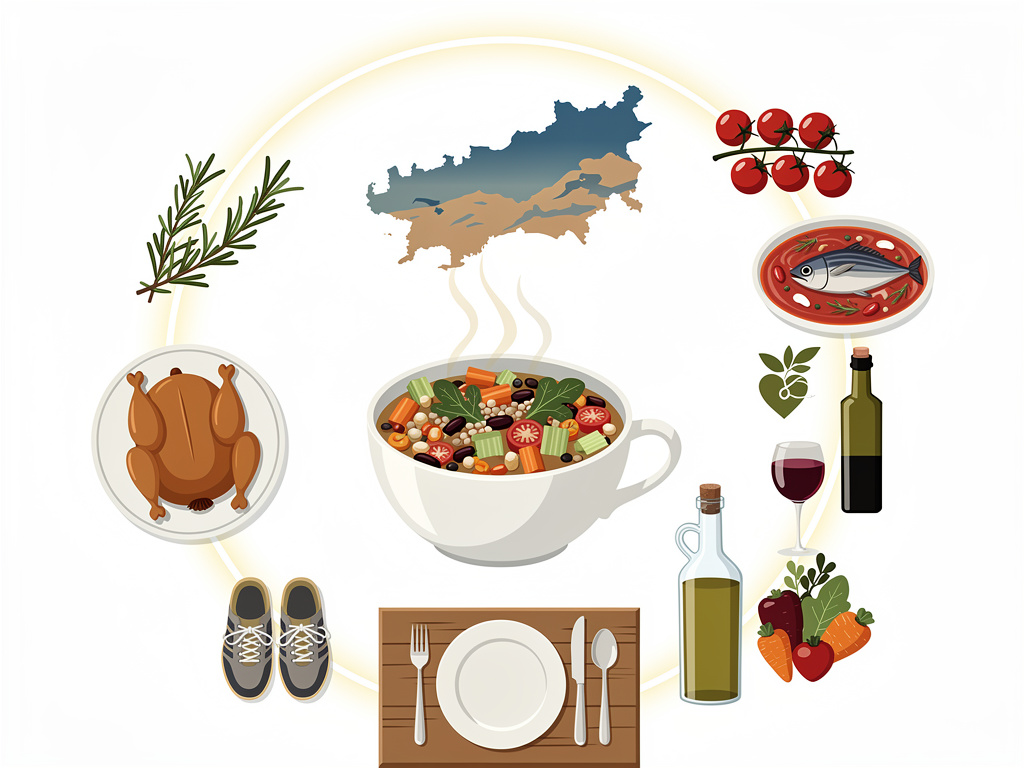
Mattana’s “Live to 100 Minestrone” captures the essence. The hearty soup changes with the seasons yet always starts with legumes. Dried fava beans, cranberry beans or their canned equivalents, chickpeas, and lentils simmer alongside carrots, celery, onion, garlic, zucchini, potatoes, cabbage or kale, tomatoes, and fresh herbs. A generous pour of olive oil finishes each bowl. The recipe calls for slow cooking so flavors meld. Beans provide fiber and plant protein. Vegetables deliver micronutrients and polyphenols. Olive oil supplies healthy fats. Together they create a one-pot meal that Sardinians consume often.
“Sardinian food is fresh, seasonal, and full of variety,” Mattana writes in the Business Insider profile that introduced his recipes to a wider audience. The observation feels straightforward. Its implications run deeper. Variety ensures broad nutrient intake. Seasonality keeps costs low and flavors high. Freshness avoids the additives common in packaged foods.
But minestrone tells only part of the story. Mattana also offers roast chicken with rosemary potatoes. Chicken pieces marinate in olive oil, white wine, garlic, rosemary, salt, and pepper before roasting alongside potatoes. The dish reflects the occasional animal protein Sardinians allow themselves. Portion control matters. The marinade keeps the meat tender without excess fat. Rosemary adds antioxidants. Potatoes, a staple crop, provide sustained energy.
Tuna steaks in tomato sauce complete the trio. Fresh tuna sears quickly then simmers in a sauce built from anchovies, garlic, cherry tomatoes, white wine, olives, capers, and parsley. The combination nods to Sardinia’s coastal heritage. Fish supplies omega-3s. Tomatoes and olives contribute more of the Mediterranean’s signature flavors and compounds. The sauce stretches a modest piece of seafood into a satisfying plate.
These recipes align with broader evidence on the Mediterranean pattern. Studies link it to lower risks of type 2 diabetes, cardiovascular disease, and premature death. Gut health improves. Inflammation decreases. Sardinia’s version adds local twists: emphasis on beans and sheep’s milk products, moderate wine, and physical labor woven into daily life.
Recent analyses reinforce the point. A 2022 review in the Journal of Ethnic Foods examined Sardinian dietary records and highlighted reliance on legumes, whole grains, and vegetables even during historical periods of scarcity. Famine foods such as acorn bread or wild greens taught resilience. They also delivered dense nutrition at low cost. Today’s centenarians grew up under similar constraints. Their bodies adapted.
Yet experts caution against isolating diet from the full picture. A New York Times analysis published last year questioned whether Blue Zone claims hold up under strict scrutiny. Some data on extreme longevity may reflect record-keeping gaps or selective migration. Social connection, purpose, and movement likely matter as much as any single ingredient. Mattana’s own story blends all three. He left Sardinia to train in professional kitchens and work with Jamie Oliver, then returned to the principles that raised him.
His online presence and upcoming classes emphasize hands-on technique. Viewers learn not just lists of ingredients but how to taste, adjust, and cook by feel. That approach echoes the island’s oral tradition. Nonnas didn’t consult cookbooks. They used what the garden or market provided that day.
And the results speak. Sardinian men in the Blue Zone historically outlived women at higher rates than in most populations, a rarity that puzzles geneticists. Goat’s milk, pecorino rich in omega-3 fatty acids from pasture grazing, and Cannonau wine high in flavonoids receive frequent mention. So do the five-mile daily walks once required of shepherds.
Modern attempts to bottle these benefits sometimes miss the mark. Supplements cannot replicate the synergy of a meal eaten slowly with family. Convenience foods lack the fiber and polyphenols that fill a proper minestrone. Mattana’s recipes push back against that trend. They require time. They reward patience. They invite company at the table.
Consider the broader context. As populations age worldwide, interest in Sardinia’s secrets has grown. Tour operators now offer culinary bike tours through the region, pairing rides with meals prepared by visiting chefs. Cookbooks inspired by Dan Buettner’s Blue Zones project proliferate. Mattana’s contribution stands apart because it comes from inside the culture rather than outside observation.
His minestrone, for instance, echoes the Melis family soup celebrated in Blue Zones materials. That family produced multiple centenarians. Their daily legume-and-vegetable stew became legend. Mattana updates the template without losing the spirit. He encourages home cooks to substitute available produce and make the dish their own, the way Sardinian kitchens have always operated.
The chicken and tuna preparations similarly balance familiarity with restraint. Olive oil appears repeatedly, but never in excess. Wine deglazes pans rather than drowning dishes. Herbs and alliums provide brightness instead of heavy sauces. The approach feels restrained. It also feels sustainable for decades of daily eating.
Critics of Blue Zone romanticism point out that genetics still explain a sizable share of Sardinian longevity. The M26 marker appears more frequently in the mountain villages. Isolation preserved certain gene pools. But even geneticists acknowledge lifestyle modulates expression. Diet supplies the raw materials. Movement clears the pathways. Social support buffers the mind.
Mattana’s work bridges these realities. He does not promise immortality. He offers meals that nourished people who happened to live a very long time. The distinction matters. Eat this way and you may feel better, weigh less, reduce certain disease risks. Whether you reach 100 depends on many factors. The food still merits attention.
Try the minestrone first. Soak the beans if using dried. Chop vegetables roughly. Let them tumble into a large pot with olive oil, water or broth, and time. The house will smell of garlic and herbs within minutes. By dinner the broth thickens naturally from the legumes. A final drizzle of good oil and cracked pepper completes it. No cheese necessary, though locals sometimes grate pecorino on top.
The other recipes follow similar logic. Roast the chicken until skin crisps and potatoes absorb the pan juices. Sear tuna just enough to caramelize the tomato sauce around it. Each method respects the ingredient’s character. None demands rare equipment or exotic pantry items. That accessibility defines Sardinian cooking and explains its appeal to those chasing healthier routines.
Recent social media chatter shows the interest. Home cooks post their versions of Sardinian flatbread alongside minestrone. Others debate the exact ratio of beans in the longevity soup. The conversation stays lively because the food tastes good first. Longevity benefits register later, almost as a side effect.
Mattana understands this. His teaching prioritizes pleasure alongside principle. Sardinians laugh, argue, and eat together. The table serves as gathering place, not laboratory. That cultural detail may prove as significant as any nutrient tally.
In the end the recipes stand on their own. They fed generations on an island where men routinely surpassed 100. They translate readily to kitchens far from the Mediterranean. And they remind cooks that some of the most powerful health strategies look remarkably like ordinary dinner.


 WebProNews is an iEntry Publication