
Sanders’ Stand: The Push for an AI Data Center Freeze Amid Tech Boom Tensions
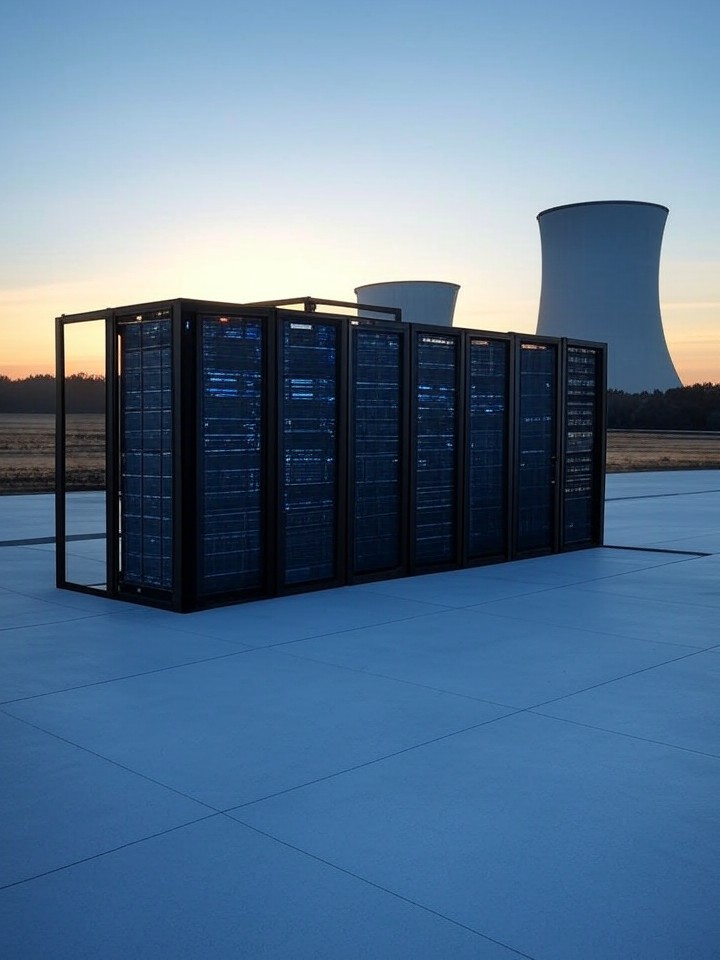
In the opening weeks of 2026, Sen. Bernie Sanders reignited debates over the unchecked growth of artificial intelligence by proposing a moratorium on new data centers, framing it as a necessary brake on a technology he deems transformative yet potentially destructive. This call comes at a time when AI infrastructure is expanding rapidly, consuming vast amounts of energy and raising concerns about economic inequality and environmental impact. Sanders, the independent senator from Vermont, argues that pausing construction would allow policymakers to assess the broader implications, ensuring that AI benefits society at large rather than just a handful of tech giants.
The proposal has drawn mixed reactions within political circles, with some viewing it as a bold progressive stance and others dismissing it as an overreach that could stifle innovation. According to recent coverage, Sanders’ idea stems from worries about rising electricity costs, job displacement, and the concentration of power in the hands of corporations like Microsoft and Google. These data centers, essential for training and running AI models, have proliferated across the U.S., often in rural areas where they promise jobs but deliver mixed results for local communities.
Industry insiders point out that the energy demands of these facilities are staggering, equivalent to powering entire cities, and have led to strained power grids in states like Virginia and Texas. Sanders’ moratorium seeks to address this by halting new builds until regulations can catch up, a move that echoes his long-standing advocacy for curbing corporate excess. Yet, as the tech sector booms, with AI investments soaring into the trillions, such a pause could reshape the competitive dynamics between the U.S. and global rivals like China.
Political Ripples from Sanders’ Proposal
Responses from fellow Democrats have been tepid at best. Rep. Alexandria Ocasio-Cortez, often aligned with Sanders on progressive issues, expressed caution in an interview with Business Insider, stating she hasn’t fully committed to the policy. This hesitation underscores a broader divide within the party, where enthusiasm for technological advancement clashes with fears of its societal costs. Other Democrats, as reported in Politico, have outright rejected the moratorium, highlighting the lack of a unified strategy on AI regulation.
Across the aisle, unexpected alliances are forming. Florida Gov. Ron DeSantis, a Republican, has voiced similar concerns about the AI industry’s impact on local electricity prices, pushing back against data center expansions in his state. This bipartisan unease is detailed in a CNBC analysis, which notes how both Sanders and DeSantis are tapping into populist sentiments against Big Tech. Such cross-party criticism signals a potential shift, where AI becomes a flashpoint for economic populism rather than partisan division.
Public sentiment, as gauged from social media platforms like X, reflects growing anxiety. Posts from users express frustration over how data centers are driving up utility bills and competing with households for resources, with some praising Sanders for challenging the “oligarchs.” This grassroots backlash aligns with polling data showing Americans’ increasing wariness of AI, particularly its role in job losses, as explored in a Politico Magazine piece on political opportunism around these fears.
Energy Demands and Environmental Concerns
The core of Sanders’ argument revolves around the environmental and energy toll of AI infrastructure. Data centers, which house thousands of servers running non-stop, consume electricity at rates that rival small nations. Sanders has labeled AI as “the most consequential technology in humanity,” a phrase he used in a Guardian interview, emphasizing the need for a slowdown to prevent unchecked exploitation. This view is supported by reports of power shortages in regions hosting these facilities, where tech companies are accused of prioritizing profits over community needs.
Environmental advocates have amplified these concerns, pointing to the carbon footprint of data centers that rely on fossil fuel-dependent grids. A moratorium, Sanders suggests, would provide breathing room to develop sustainable alternatives, such as integrating renewable energy sources directly into new builds. However, critics argue this could delay critical advancements in AI, potentially ceding ground to international competitors who face fewer restrictions.
Industry responses have been swift and critical. Tech leaders, including those from companies building massive AI clusters, warn that a pause would harm U.S. competitiveness. Posts on X from analysts like Shay Boloor highlight the risk of China surging ahead, framing Sanders’ proposal as a self-inflicted wound in the global tech race. This perspective is echoed in broader web discussions, where the moratorium is seen as counterproductive amid escalating U.S.-China tensions over technology dominance.
Economic Implications for Tech and Beyond
Economically, the proposal could disrupt a sector that’s become a cornerstone of American innovation. Data centers not only support AI but also cloud computing and data storage, employing thousands and attracting billions in investments. Sanders’ call, first endorsed in late 2025 as reported by E&E News, aims to redistribute these benefits more equitably, perhaps through taxes or mandates that force companies to fund grid upgrades.
Local economies feel the pinch most acutely. In areas like Loudoun County, Virginia—dubbed “Data Center Alley”—residents complain of skyrocketing energy costs and water usage for cooling servers. Sanders’ moratorium resonates here, as it promises to halt further strain until policies ensure fair resource allocation. Yet, as noted in a The Hill opinion piece, the idea has been met with sarcasm from some quarters, labeling it an “escalation” that overlooks the jobs created by these facilities.
Broader market reactions indicate volatility. Betting platforms like Polymarket have seen odds of a national moratorium fluctuate, with recent X posts tracking sentiment shifts. Investors are wary, as evidenced by stock dips in AI-related firms following Sanders’ announcements, underscoring how political rhetoric can sway financial markets even before legislation materializes.
Regulatory Challenges and Future Pathways
Navigating the regulatory maze presents significant hurdles for Sanders’ vision. Congress remains divided, with no clear path to enacting a moratorium, as live updates from Politico illustrate the partisan stalemate. Progressive allies like Sanders push for comprehensive oversight, including criminal liability for AI harms, a point raised in the Guardian coverage alongside proposals from Republican Sen. Katie Britt.
International comparisons add complexity. While Europe has imposed stricter data privacy rules, potentially slowing its AI growth, the U.S. has favored a lighter touch to foster innovation. Sanders’ moratorium challenges this approach, advocating for a model where democracy “catches up,” as he stated in his own X post. This resonates with users on the platform who decry the “AI gold rush” for exacerbating inequality.
Looking ahead, the debate could influence upcoming elections, with AI policy becoming a litmus test for candidates. Insiders speculate that if momentum builds, it might lead to hybrid solutions, such as incentives for green data centers rather than a full halt. Web analyses, including those from The American Prospect, note surging demands for such pauses, driven by public awareness of resource competition.
Voices from the Industry Frontlines
Tech executives are mobilizing against the proposal, arguing it ignores the transformative potential of AI in fields like healthcare and climate modeling. David Sacks, a prominent venture capitalist, critiqued Sanders on X, warning that emulating Europe’s regulatory caution has led to economic decline there. This view portrays the moratorium as a step toward stagnation, contrasting with optimistic takes on AI’s role in boosting productivity.
Community leaders in affected areas offer a counterpoint, sharing stories of disrupted lives due to infrastructure demands. In Florida, DeSantis’ pushback, as covered by CNBC, has inspired local moratoriums, setting precedents that Sanders hopes to nationalize. These grassroots efforts highlight the human element, from displaced workers to overburdened utilities.
Analysts on X, including those tracking stock impacts, emphasize the need for balanced policies. For instance, discussions around tariffs on AI hardware suggest ways to fund infrastructure without halting progress, potentially bridging divides between Sanders’ camp and industry advocates.
Global Competition and Strategic Risks
The specter of China looms large in this discourse. Critics like Boloor on X argue that a U.S. moratorium would gift Beijing an advantage, as it continues aggressive data center builds. This geopolitical angle is crucial, with Sanders’ proposal risking perceptions of American retreat in the tech arms race.
Domestically, the focus shifts to equity. Sanders envisions AI serving the many, not the few, by pausing to implement safeguards against monopolies. Recent web reports, such as those in The Hill, underscore the urgency, with calls for moratoriums gaining traction amid public outcry.
As debates evolve, the tech world watches closely. Innovations in energy-efficient computing could mitigate concerns, but without action, tensions may escalate. Sanders’ stand, while polarizing, forces a reckoning with AI’s rapid ascent, urging a path where progress aligns with public good.


 WebProNews is an iEntry Publication