
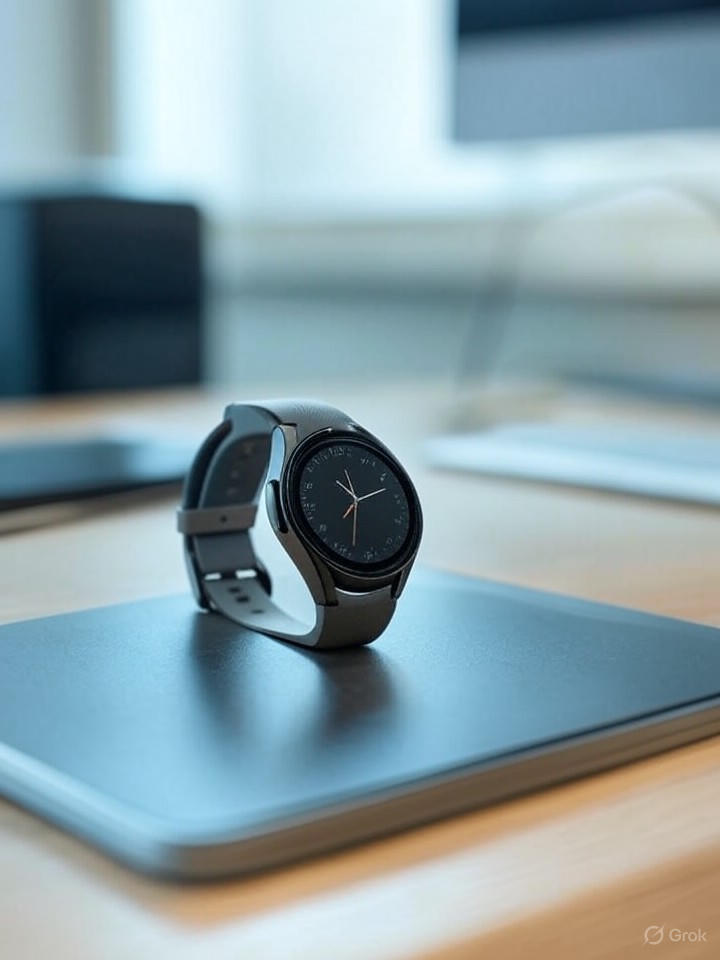
In the rapidly evolving world of wearable technology, Samsung’s Galaxy Watch series has long been praised for its health monitoring features, including stress tracking. But a recent software update has turned this asset into a liability, with users reporting incessant high-stress alerts despite feeling perfectly calm. This glitch, tied to the One UI 8 Watch update, highlights deeper issues in how smartwatches process biometric data.
Reports of erroneous stress notifications began flooding online forums and social media shortly after the update’s rollout. Users described their watches vibrating with warnings of elevated stress levels during mundane activities like sitting at a desk or watching TV. This isn’t just an annoyance—it’s raising questions about the reliability of algorithm-driven health insights in consumer devices.
The Update That Triggered Chaos
According to SamMobile, the One UI 8 Watch update appears to have disrupted the stress measurement algorithm across various Galaxy Watch models, including the Watch 7 and Ultra. The publication notes that the issue stems from changes in how the watch interprets heart rate variability (HRV) data, a key metric for stress assessment.
Samsung’s stress tracking relies on optical heart rate sensors that measure blood flow and HRV to estimate stress. Pre-update, the system was tuned to provide occasional alerts. Post-update, however, the threshold seems lowered, leading to a surge in false positives. As Android Authority reported, users are now receiving alerts ‘even though they say they are fine,’ with some joking that the watch itself is causing the stress.
User Frustrations Boil Over
On social media platform X, formerly Twitter, the sentiment echoes widespread irritation. Posts from users describe the alerts as relentless, with one noting their watch ‘keeps screaming ‘stress,’’ mirroring coverage from Android Authority. This backlash isn’t isolated; Reddit threads from as early as 2022, like those on r/GalaxyWatch, show historical queries about stress notifications, but the current wave is unprecedented in scale.
Industry insiders point out that this isn’t Samsung’s first software hiccup. Past updates, such as one in 2022 that bricked Galaxy Watch 4 devices as detailed in X posts by tech analyst Ishan Agarwal, underscore a pattern of post-update bugs. The current issue, however, affects functionality rather than hardware, prompting users to seek workarounds like disabling stress monitoring altogether.
Algorithmic Dependencies Exposed
A deeper dive by Android Central frames this as a broader problem in smartwatch technology: ‘Your smartwatch data depends just as much on algorithms as hardware, and when the math changes, you’re left reeling.’ The article argues that opaque algorithm tweaks can erode user trust, especially when health data is involved.
Samsung’s response has been muted so far. While the company hasn’t issued an official statement, sources like Stuff report that Samsung is ‘sending out an undue number of high stress warnings’ and suggest a fix is in the works. In the meantime, users are turning to apps like Welltory, which integrates with Galaxy Watches for alternative stress tracking, as promoted on their site.
Comparative Issues in Wearables
This glitch isn’t unique to Samsung. Competitors like Google’s Pixel Watch have faced their own algorithmic woes, with X posts from 2022 highlighting burn-in issues after software updates. Similarly, Apple’s Watch has encountered accuracy debates in features like blood oxygen monitoring, often tied to algorithm refinements rather than sensor hardware.
Experts, including analyst Ming-Chi Kuo in a 2022 X post, have long warned about algorithm limitations in wearables, such as Samsung’s failed attempt to include body temperature measurement in the Galaxy Watch 5 due to such constraints. These examples illustrate how software can make or break hardware capabilities in the wearable sector.
Impact on Health Tech Credibility
For industry insiders, this incident raises alarms about regulatory scrutiny. Smartwatches aren’t medical devices, but features like stress alerts blur lines with health tech. As WebProNews explores, ‘Samsung Galaxy Watch users are plagued by erroneous high-stress alerts,’ potentially leading to user disillusionment and calls for greater transparency in algorithm updates.
Samsung’s own support page on measuring stress with Samsung Health emphasizes the feature’s utility, but the current fiasco contradicts this. German publications like CHIP report users ‘overwhelmed with warnings of ‘elevated stress’ – although everything is fine,’ highlighting international frustration.
Potential Fixes and Future Safeguards
Temporary solutions include recalibrating the watch or reverting settings, as suggested in forums. Samsung may deploy a patch soon, similar to how it addressed past issues. However, insiders advocate for beta testing expansions to catch such bugs pre-release, drawing from lessons in updates like One UI 6, criticized for lag in X posts by tech reviewer Alvin.
Looking ahead, this could push Samsung toward more robust AI-driven algorithms, integrating machine learning to adapt to individual users. Yet, as Android Central warns, without user education on these changes, trust in wearables could falter, affecting market leaders in a sector projected to grow exponentially.
Broader Industry Implications
The stress alert debacle coincides with critiques of Samsung’s focus on performance over battery life, as noted in X posts by Anthony. For a company emphasizing features, such glitches undermine credibility. Competitors might capitalize, promoting more stable software ecosystems.
Ultimately, this episode serves as a case study for the wearable industry: algorithms are the invisible backbone of health tracking, and their mishandling can turn innovative features into sources of user anxiety. As Samsung navigates this, the spotlight remains on balancing innovation with reliability.


 WebProNews is an iEntry Publication