
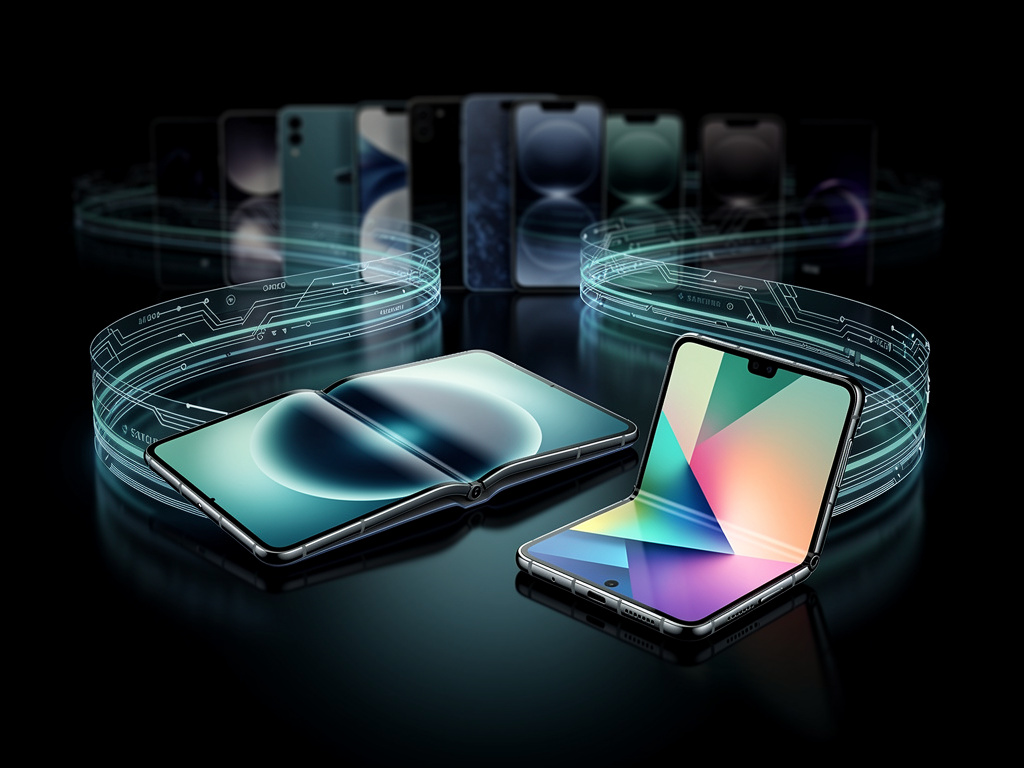
In a move that would mark a significant departure from Samsung’s traditional software rollout strategy, the South Korean electronics giant appears poised to launch its next-generation foldable smartphones — the Galaxy Z Fold 8 and Galaxy Z Flip 8 — running One UI 9 based on Android 17. If confirmed, this would represent the first time Samsung has debuted a major Android version on its foldable lineup rather than its flagship Galaxy S series, reshaping expectations for how the company manages its software ecosystem going forward.
The development, first reported by Android Police, draws on a constellation of leaks, beta testing timelines, and shifting release schedules that together paint a picture of Samsung accelerating its software ambitions in ways the industry hasn’t seen before.
A Break From Samsung’s Established Playbook
For years, Samsung has followed a predictable cadence: the Galaxy S series, typically launched in January or February, serves as the debut vehicle for the company’s latest One UI software built atop the newest version of Android. The Galaxy Z foldable series, arriving in the summer months, would then inherit that software — sometimes with incremental improvements, but never as the first platform for a brand-new Android generation.
That pattern now appears to be breaking. Google has shifted Android 17’s expected release to Q3 2025, aligning it more closely with Samsung’s traditional summer launch window for its foldable devices. The Galaxy S25 series, which launched earlier this year, shipped with One UI 7 based on Android 15 — already a version behind what Google had been developing. With Android 16 arriving as something of an interim release and Android 17 slated for a later window, Samsung evidently sees an opportunity to leapfrog directly to the newest platform with its Z Fold 8 and Z Flip 8.
The Android 17 Timeline and Google’s Shifting Strategy
Google’s own release strategy has undergone notable changes in recent years. The company moved away from its traditional fall release cadence, with Android versions now arriving at different points throughout the year. Android 16 is expected to reach stable release in the second quarter of 2025, while Android 17 — internally codenamed with Google’s latest dessert nomenclature — is projected for a Q3 arrival. This compressed timeline creates an unusual window where Samsung could realistically ship devices with Android 17 shortly after its stable release.
According to reporting from Android Police, Samsung has already begun internal testing of One UI 9 builds based on Android 17, with beta programs potentially opening to developers and enthusiasts in the weeks ahead of the Z Fold 8 and Z Flip 8 launch. The publication notes that Samsung’s software teams have been working in parallel on both Android 16 and Android 17 builds, with the latter taking priority for the foldable launch.
What One UI 9 Could Bring to the Table
While specific features of One UI 9 remain largely under wraps, the jump to Android 17 is expected to bring substantial under-the-hood improvements. Samsung has historically used its One UI layer to add significant functionality on top of stock Android, including enhanced multitasking features, advanced customization options, and deep integration with the Galaxy ecosystem of wearables, tablets, and PCs.
For foldable devices specifically, One UI 9 is anticipated to deliver refined app continuity features, improved flex mode capabilities for partially folded use cases, and more sophisticated multi-window management. Samsung’s foldables have long served as showcases for the company’s software engineering prowess, and launching a brand-new One UI version on these devices underscores the strategic importance Samsung places on its foldable portfolio. Industry watchers expect Samsung to leverage Android 17’s native improvements to foldable support — areas where Google has been steadily investing — to create a more polished and capable user experience out of the box.
The Galaxy Z Fold 8 and Flip 8: Hardware Expectations
The hardware side of Samsung’s upcoming foldables has been the subject of extensive speculation and leaks throughout 2025. The Galaxy Z Fold 8 is widely expected to feature a thinner profile, reduced crease visibility on its inner display, and potentially a new hinge mechanism that improves durability while allowing for a slimmer overall form factor. The device may also incorporate Samsung’s latest camera technology, potentially borrowing elements from the Galaxy S25 Ultra’s imaging pipeline.
The Galaxy Z Flip 8, meanwhile, is rumored to feature a larger cover display — continuing a trend Samsung has pursued over several generations — along with improved battery life and a more capable processor. Both devices are expected to run on Qualcomm’s latest Snapdragon chipset, ensuring they have the processing headroom to handle whatever demands One UI 9 and Android 17 place on the hardware.
Strategic Implications for Samsung’s Software Ecosystem
The decision to premiere One UI 9 on foldable devices rather than the Galaxy S series carries significant strategic weight. It signals that Samsung views its foldable lineup not merely as a niche product category but as the vanguard of its mobile innovation strategy. By giving foldables the first crack at new software, Samsung is effectively telling consumers, developers, and industry partners that these devices represent the future of the Galaxy brand.
This shift also has implications for Samsung’s relationship with Google. By aligning its foldable launch with Android 17’s release window, Samsung positions itself as one of the first — if not the first — major OEM to ship the newest version of Android on a flagship device. This is a marked contrast to years past, when Samsung devices often launched several months after a new Android version became available, leaving Google’s own Pixel phones as the sole day-one representatives of the latest platform.
The Competitive Pressure From Chinese Rivals
Samsung’s urgency to innovate on both hardware and software fronts is at least partly driven by intensifying competition from Chinese manufacturers. Companies like Honor, Huawei, and OnePlus have made significant inroads in the foldable market, offering devices with competitive specifications at lower price points. Huawei’s Mate X series and Honor’s Magic V lineup have been particularly aggressive in markets across Asia and Europe, putting pressure on Samsung’s once-dominant position in the foldable segment.
By launching with the latest possible software, Samsung aims to differentiate its foldables not just on build quality and brand recognition, but on the software experience itself. One UI 9 running on Android 17 would give Samsung a tangible talking point that competitors running older Android versions simply cannot match at launch. This software-first differentiation strategy mirrors what Apple has long practiced with iOS, where the tight integration of hardware and software serves as a key competitive moat.
What This Means for Existing Galaxy Owners
For the millions of Samsung users already in the Galaxy ecosystem, the One UI 9 announcement raises immediate questions about update timelines. If One UI 9 debuts on the Z Fold 8 and Z Flip 8 in Q3 2025, when can Galaxy S25 owners expect to receive the update? What about those still using the Galaxy S24 or older foldable models?
Samsung has made significant strides in its update commitments in recent years, promising up to seven years of OS updates and security patches for its flagship devices. However, the company has historically staggered major One UI releases across its device portfolio over several months. Galaxy S25 series owners would likely be next in line after the foldable launch, with older devices following in a cascading rollout through late 2025 and into early 2026. According to Android Police, Samsung’s beta testing infrastructure suggests the company is preparing for a relatively swift rollout to other flagship devices once the foldable launch is complete.
A Defining Moment for Samsung’s Foldable Ambitions
Samsung’s reported plan to launch One UI 9 with Android 17 on the Galaxy Z Fold 8 and Z Flip 8 represents more than a simple scheduling adjustment. It is a statement of intent — a declaration that foldable devices are no longer secondary citizens in Samsung’s product hierarchy but are instead leading the charge into the company’s software future.
If Samsung executes this strategy successfully, it could reshape how the broader Android ecosystem thinks about software launches and device prioritization. For years, the assumption has been that slab-style flagships are the natural home for cutting-edge software. Samsung appears ready to challenge that assumption head-on, betting that the future of mobile computing is flexible — in more ways than one. The coming months will reveal whether this gambit pays off or whether the complexities of shipping a brand-new OS on complex foldable hardware prove more challenging than anticipated.


 WebProNews is an iEntry Publication