
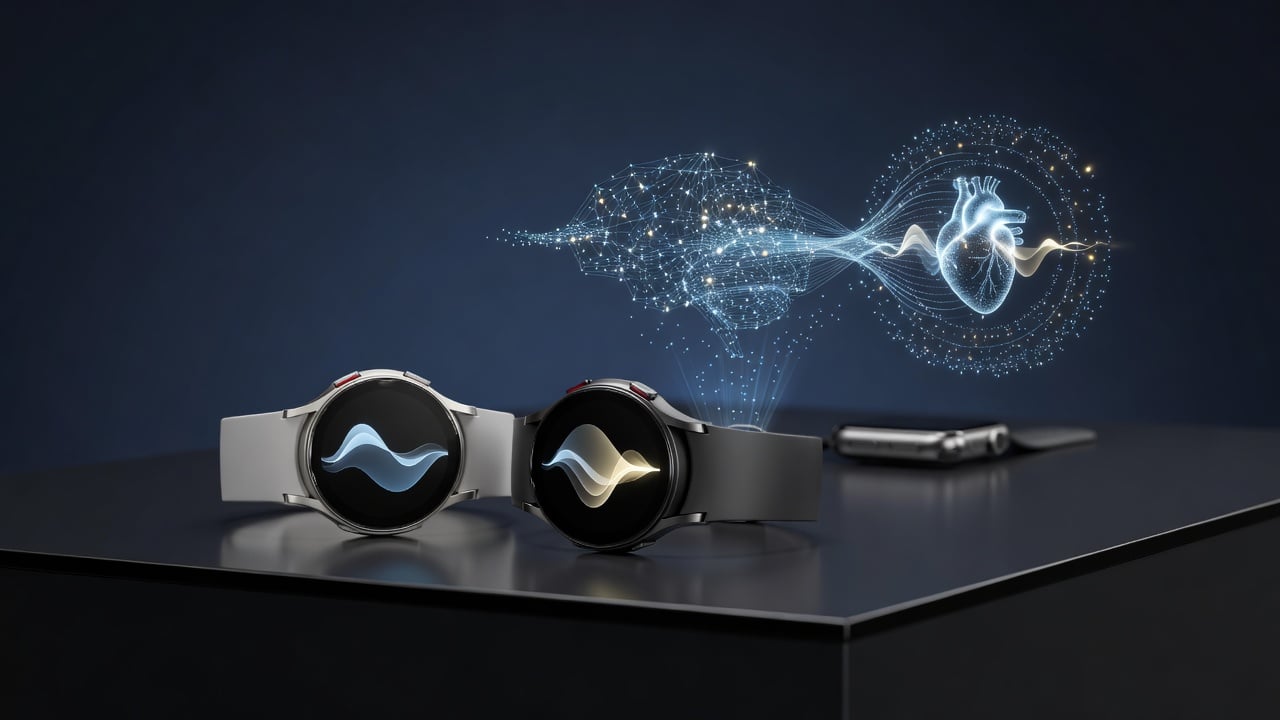
Samsung stands ready to showcase its latest wearable ambitions. The company has teased an AI-powered Galaxy Watch ahead of its Galaxy Unpacked event set for July 22. Expectations run high. Insiders point to meaningful upgrades in health monitoring and processing power that could help the device stand apart from rivals.
Recent leaks paint a picture of incremental yet targeted progress. The upcoming models, widely referred to as the Galaxy Watch 9 and Watch Ultra 2, appear set to adopt subtle design tweaks while packing new silicon and software smarts. But don’t expect a total overhaul. Samsung seems focused on refining what already works.
According to a report from FoneArena, Samsung describes the new watch as an AI-powered health companion. It will deliver personalized experiences through Galaxy AI. The device aims to monitor health metrics in the background. Then it offers insights so users can better manage their well-being. Continuous tracking paired with smart analysis. That combination could appeal to consumers tired of sporadic data dumps.
And the hardware side looks promising too. Leaks suggest the Snapdragon Wear Elite processor will power the lineup. This chip, built with AI tasks in mind, promises better efficiency and faster on-device processing. Engadget highlighted this expected upgrade. It noted new health-tracking features on the software front as well. The shift from previous Exynos chips marks a notable change. Qualcomm’s platform could give Samsung an edge in battery life and responsiveness.
Design rumors point to modest updates. The standard Galaxy Watch 9 may feature a new case color and fresh band options. Meanwhile the Ultra 2 could take on a boxier profile with thinner bezels and muted button accents. These details come from 9to5Google via Engadget coverage. Such refinements build on the squircle shape introduced in last year’s models. That shift made watches sit flatter on the wrist. Comfort improved. Battery capacity gained a small boost.
Yet questions remain about how much further Samsung will push the envelope. The original Mashable piece on smartwatch expectations set the tone for this year’s cycle. Mashable captured the pressure on Samsung. “The pressure is on with this generation for Samsung, so here’s what we know, what we expect and what we want from the company’s latest wearables.” Leaks around the Ultra 2 suggested a nearly full spec sheet and the possibility of a record-bright display. Those hints still resonate as the event draws near.
Health features take the spotlight once again. Samsung has already rolled out tools like an Antioxidant Index in prior models. It measures carotenoid levels in the skin to gauge fruit and vegetable intake. A Running Coach analyzes a 12-minute test to build personalized training plans. Vascular Load assesses stress on the circulatory system during sleep. These additions drew mixed reactions in reviews. Some testers found them useful. Others questioned whether users really need a watch to prompt better eating habits.
The new AI emphasis could expand on those foundations. Personalized insights derived from continuous background monitoring represent the next phase. Samsung promises deeper integration across its device lineup. Think phones, earbuds and even rumored smart glasses all feeding into one health picture. Such connectivity matters in a market where data fragmentation frustrates many users.
Pricing leaks offer another clue about Samsung’s strategy. A German report cited by PhoneArena suggests the next watches could see increases of 40 to 50 euros over current models. That would place the standard version around $500 in some markets. The Ultra variant would command a premium. These figures align with Samsung’s positioning as a high-end alternative to the Apple Watch. But they also raise the bar for what buyers expect in return.
Regulatory filings add weight to the timeline. The Federal Communications Commission listings for devices including the SM-L340, believed to be the 40mm Galaxy Watch 9, surfaced recently. Android Central reported on these approvals. They reinforce July 22 as the likely launch date in London. The event will also spotlight new foldables and possibly Android XR glasses developed with Google. Wearables form just one piece of a larger announcement. Still they remain a key growth area for Samsung.
Competition looms large. Apple’s latest Watch models continue to set benchmarks in health sensing and ecosystem polish. Google pushes its Pixel Watch with deep Fitbit integration. Meanwhile smaller players experiment with novel form factors. Samsung must balance innovation with reliability. Its BioActive sensor has proven capable for heart rate, EKG and body composition. Expanding that with AI without compromising accuracy poses a real test.
Software updates could prove as important as hardware. One UI Watch based on Wear OS 7 or later is expected. This version should bring smoother animations and better battery optimization. Integration with Gemini, Google’s AI assistant, appeared in last year’s models. Further refinements might allow more natural voice interactions or contextual suggestions based on health data. Such capabilities turn a simple tracker into a genuine companion.
But not every rumor points to breakthroughs. Some reports suggest the Watch 9 sticks close to the formula that made the Watch 8 a solid seller. Brighter screens. Slightly larger batteries. Refined aesthetics. These incremental steps keep the product fresh without alienating existing owners. Samsung has walked this line before. The question is whether it will satisfy analysts who want bolder moves in a maturing category.
Recent social conversation reflects this mix of excitement and skepticism. On X, users shared teaser images featuring BTS’s J-Hope promoting the Unpacked event. Others discussed potential must-have features for the Watch 9. A CNET video titled “Samsung Galaxy Watch 9 Is Coming: These Features Would Make It Awesome” circulated widely. It captured the community’s desire for longer battery life, advanced sleep coaching and perhaps non-invasive glucose insights. Samsung has yet to crack that last one. Regulatory hurdles remain steep.
Looking at past performance offers context. The Galaxy Watch 8 earned praise for its comfortable redesign and new coaching tools. Reviewers at The New York Times called it a strong Android option with speedy performance and AI health tracking. The squircle case felt premium. Dynamic lug system made band changes easier. Yet bands from older models lost compatibility. Trade-offs like this often define annual updates.
Analysts watch Samsung’s subscription experiments too. The company has considered fees for advanced health insights in the past. If introduced with the new models it could spark debate. Users already pay for the device. Adding ongoing costs risks pushback. Transparency around data use and AI decision-making will matter greatly.
So what should buyers anticipate? A refined wearable that builds on proven sensors while layering in smarter AI guidance. Better integration with Samsung’s broader AI vision. Possible new colorways and band styles to refresh the look. Enhanced processing to handle on-device analysis without draining the battery too quickly. These elements add up to a compelling package for those embedded in the Galaxy ecosystem.
The Unpacked stage will reveal the full story soon enough. Until then leaks and teases fill the gaps. One thing feels clear. Samsung aims to position its watches as essential tools for proactive health management. Not just fitness trackers but daily advisors informed by artificial intelligence. That ambition could resonate in a world increasingly attentive to wellness data.
Of course execution determines success. Accuracy of new metrics. Usefulness of AI suggestions. Battery endurance under real-world conditions. All will face scrutiny post-launch. Samsung has delivered steady progress in recent years. This next chapter tests whether that pace satisfies a demanding audience.
Recent coverage from The Verge captured the cautious outlook. Renders suggest the new watches might resemble their predecessors closely. Performance gains and software jumps provide the real differentiation. London awaits. Attendees and streaming viewers alike will judge if Samsung has done enough to keep its wearable lineup vital.


 WebProNews is an iEntry Publication