
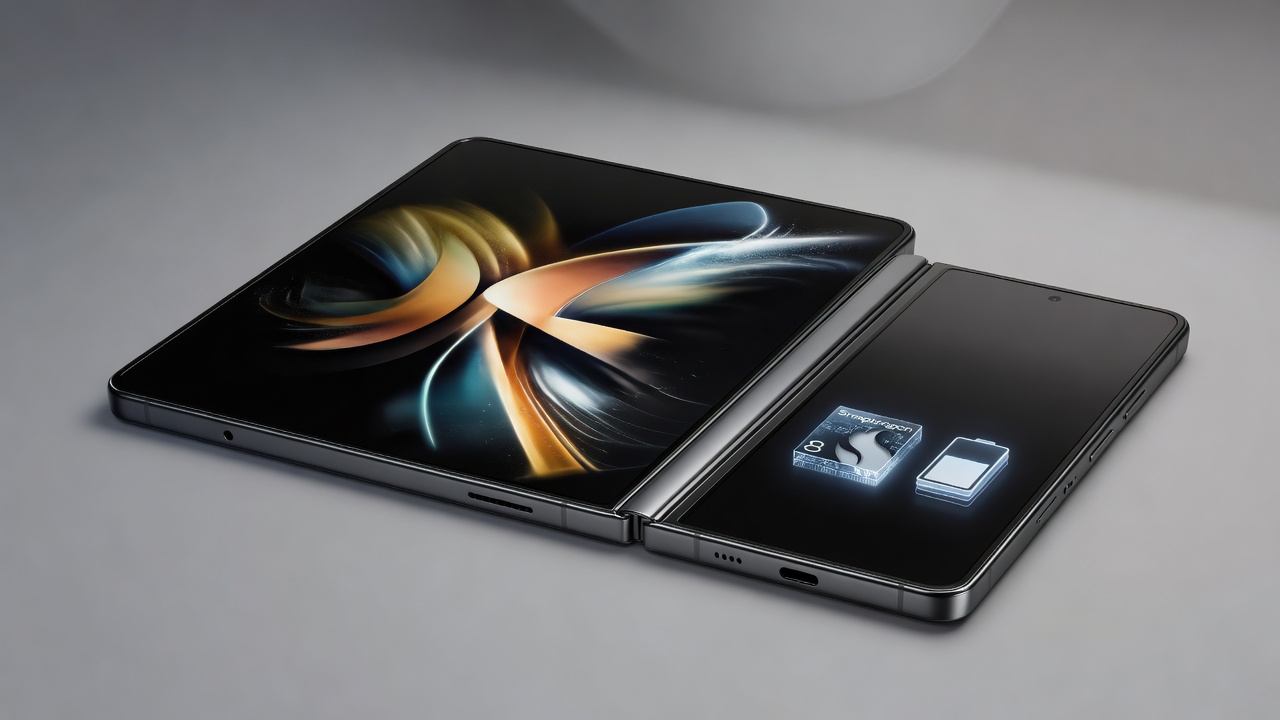
Samsung stands on the verge of its most significant shift in foldable design since the original Galaxy Fold. The company prepares to unveil not one but two book-style foldables on July 22 at its Unpacked event in London. One carries forward the tall, narrow profile. The other, widely rumored as the Galaxy Z Fold 8 Wide, flips the script with a shorter, broader shape.
But the naming has grown messy. What many once called the Wide variant now appears set to inherit the plain Galaxy Z Fold 8 label. The more conventional successor to last year’s model takes the Ultra tag instead. 9to5Google first highlighted this branding flip based on tipster Ice Universe’s Weibo post. Later leaks from regulatory filings and case makers have only added to the confusion. Yet the hardware differences matter far more than the monikers.
The Wide model targets a glaring weakness of prior Folds. Those tall, phone-like cover screens always felt cramped for typing, browsing or watching video. A broader cover display changes that equation. Renders leaked by Android Headlines and reported across outlets show a 5.5-inch outer panel with a 16:10 aspect ratio. The inner screen measures 7.6 inches but adopts a near-square 4:3 ratio. Both support up to 120Hz refresh rates. The result looks less like a folding phone and more like a compact tablet that snaps shut.
Dummy units photographed earlier this year back the proportions. Leaker Tarun Vats shared a full spec list on X that aligns closely with those physical models. Snapdragon 8 Elite Gen 5 for Galaxy chipset. Twelve gigabytes of RAM. Storage tiers of 256GB, 512GB and 1TB. A 4,800mAh battery. Mashable detailed those claims just days ago, noting the 4:3 inner display mirrors Apple’s rumored approach for its first foldable.
Dimensions tell the story best. The device measures roughly 123.9 x 81.9 x 9.7mm when folded and 123.9 x 161.4 x 4.5mm unfolded. Weight lands around 200 grams. That makes it lighter than the current Galaxy Z Fold 7 and many competing book-style foldables despite the wider stance. SamMobile compiled these measurements from multiple leaks, painting a picture of a device that prioritizes one-handed usability when closed while delivering tablet-like real estate when open.
Camera choices reflect a clear compromise. The Wide variant sticks to a dual rear array: 50-megapixel main and 50-megapixel ultrawide. No telephoto lens. Selfies use 10-megapixel sensors on both the cover and inner displays. By contrast, the Galaxy Z Fold 8 Ultra reportedly keeps a triple-camera setup headlined by a 200-megapixel primary sensor. The decision trims cost and thickness but limits zoom capabilities. Industry watchers expected this split as Samsung carves distinct identities for the two models.
Battery and charging bring welcome gains. The Wide model carries a 4,800mAh cell with 45W wired support in some reports, though others cite 25W. The Ultra variant steps up to 5,000mAh. Either way, both exceed the capacities found in recent Folds. Forbes cited Korean tipster Lanzuk on Naver confirming the jumps across the 2026 foldable range, alongside the absence of a privacy screen feature previously floated for the lineup.
Software runs One UI 9 based on Android 16. Wi-Fi 7 and ultra-wideband support appear standard. Samsung has teased “new shape, new joy” in recent social posts that visually slice the old tall Fold silhouette into the new wider one. The official Spider-Man-themed teaser even gave a partial real-world glimpse of the dual-camera module and repositioned side buttons pushed toward the top on the new form factor. 9to5Google captured that campaign shift, which also wiped most of Samsung’s Instagram history to spotlight the redesign.
Pricing adds pressure. The Galaxy Z Fold 8 starts at $1,899 for the 256GB model in the US, according to a leak from Korean outlet SE Daily reported by Android Authority. The Ultra variant opens above $2,000, likely at $2,099. Those figures sit $100 higher than the Fold 7’s launch price in the base configuration. European pricing follows a similar pattern, starting near €1,999. Component costs, particularly memory, drive the increase. Samsung reportedly plans bigger trade-in credits and pre-order bundles to blunt the blow.
The timing feels deliberate. July 22 Unpacked precedes Apple’s expected fall entry into foldables. A device with 4:3 proportions and a practical cover screen positions Samsung to claim the productivity high ground before Cupertino reveals its hand. Yet questions remain. Will the wider stance reduce the visible crease enough to satisfy critics? Does dropping the telephoto hurt the camera reputation Samsung built with its Ultra phones? And will buyers accept the name shuffle that turns last year’s flagship formula into this year’s Ultra while handing the base name to a radical redesign?
Early FCC filings and Bluetooth SIG listings have already confirmed much of the hardware envelope. Renders that surfaced this week look polished enough to pass for official marketing shots. They show the device in four colors: Cream, Graphite, Lavender and an exclusive Pistachio. The hinge appears refined. The overall build strikes a balance between thinness when open and pocketable thickness when closed.
But specs only tell part of the story. Real-world experience with the broader cover screen could prove transformative for daily tasks. Split-screen apps gain breathing room. Video playback feels more natural. Typing on the go becomes less of a chore. Those gains explain why Samsung pursued this direction despite years of sticking to the tall-and-narrow template.
The Ultra model, by most accounts, sticks closer to tradition. Similar dimensions to the Fold 7. Improved battery. Potentially revived S Pen support in some variants, though leaks conflict on that point. Stronger cameras. It serves as the flagship for users who want maximum zoom and processing power in the familiar shape. The two-pronged attack lets Samsung cover both the tablet-like productivity crowd and the power-user photography segment.
Analysts expect pre-orders to open immediately after the event, with retail availability in early August. That compressed window reflects improved supply chain confidence after years of ramping foldable production. Samsung has shipped tens of millions of foldables. The category no longer feels experimental.
Still, competition looms. Chinese makers like Oppo, Vivo and Honor have pushed aggressive designs, often with slimmer profiles or unique hinge mechanisms. Google’s Pixel Fold series emphasizes software polish. Apple’s rumored device could reset consumer expectations around build quality and ecosystem integration. Samsung’s response combines a dramatic form-factor change with iterative upgrades to the platform it has spent seven years perfecting.
Whether the Wide model succeeds depends on execution. The 4:3 inner display must deliver crisp visuals without distortion at the fold. The hinge needs to feel solid yet fluid. Battery life has to justify the larger screen real estate. Camera performance cannot fall too far behind the Ultra sibling. Price sensitivity matters too. At nearly $1,900, the device still sits in premium territory even with the base configuration.
Leaked case images and dummy units have removed much of the mystery. Official confirmation arrives in days. For an industry that has watched Samsung iterate cautiously on its foldable blueprint, this wider approach marks a genuine departure. The Galaxy Z Fold 8 Wide doesn’t just add incremental improvements. It questions the fundamental shape that defined the category for half a decade.
And that alone makes the upcoming Unpacked one of the more intriguing hardware events in recent memory. The foldable market finally feels ready to move beyond the phone-that-folds into something closer to a true hybrid device. Samsung, long the category leader, appears determined to lead that next chapter.


 WebProNews is an iEntry Publication