
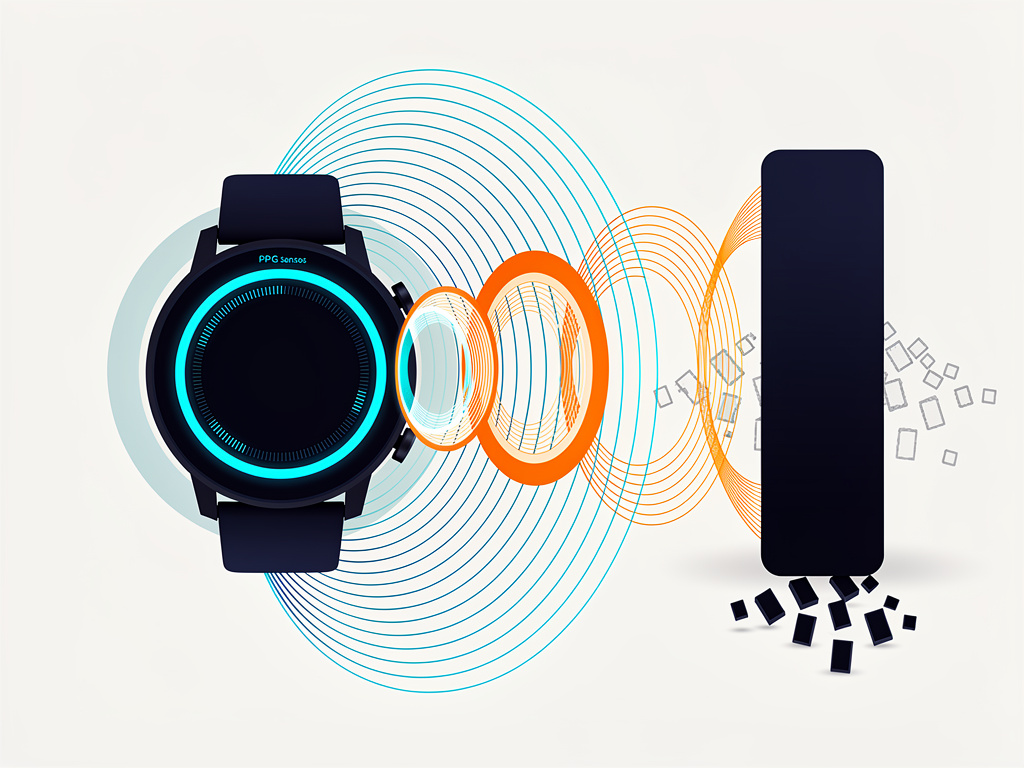
Samsung has taken a notable step in wearable health monitoring. A clinical study conducted with Chung-Ang University Gwangmyeong Hospital shows that signals from a Galaxy Watch6 can predict vasovagal syncope episodes up to five minutes before they occur. The findings, announced by Samsung in early May, mark the first time a commercial smartwatch has demonstrated such predictive capability in a peer-reviewed setting.
Vasovagal syncope, the most common form of fainting, affects as many as 40 percent of people over their lifetimes. It happens when the nervous system overreacts to stress. Heart rate and blood pressure drop sharply. Blood flow to the brain decreases. The result is a sudden, brief loss of consciousness. Falls during these events often lead to injuries. Fractures. Concussions. Even cerebral hemorrhage in severe cases.
The study involved 132 patients with suspected syncope. Researchers induced fainting under controlled conditions. A modified Galaxy Watch6 collected data through its photoplethysmography sensor. This optical sensor tracks blood volume changes. From that, the system derived heart rate variability metrics. An AI algorithm then processed the information. It flagged impending episodes with 84.6 percent accuracy. Sensitivity reached 90 percent. Specificity stood at 64 percent. Those numbers come from the research published in the European Heart Journal – Digital Health.
Professor Junhwan Cho, from the Department of Cardiology at Chung-Ang University Gwangmyeong Hospital, put the potential impact plainly. “It’s not uncommon for syncope patients to suffer trauma from falls, and in extreme cases, some experience severe injuries such as fractures or cerebral hemorrhage,” he said. “An early warning from this technology could give patients advance time to get into a safe position or call for help, which would dramatically reduce the incidence of secondary injuries.”
Current smartwatch safety tools react after the fact. Samsung’s existing hard fall detection, available on Galaxy Watch models running the latest software, senses impact and can trigger an SOS message with location data. Apple Watch offers similar fall detection that contacts emergency services if the wearer doesn’t respond. Both act once someone has already hit the ground. Predictive alerts change that equation. A vibration or notification minutes ahead could let a person sit down, lie down, or seek help before losing consciousness. The difference matters for anyone with recurrent syncope. Or those at higher risk due to age or underlying conditions.
A recent Gizmodo piece captured the personal stakes. Its author, who experiences occasional syncope from a long-term condition, described the appeal of advance notice versus post-fall alerts. “Predictive warnings trump post-care medical alerts,” the article stated. The author suggested the feature might prompt switching from Apple Watch, which currently relies on reactive detection. Samsung’s approach, if commercialized, could offer both prediction and the established fall response.
Yet the technology sits firmly in the research phase. The study used a modified device with an extra photoplethysmography sensor attached. Consumer versions would need to achieve similar results with hardware already in users’ wrists. Samsung has not confirmed timelines for integration into Galaxy Watch software or hardware. A company statement emphasized commitment to “technological innovation that empowers our users to lead healthier everyday lives.” Broader plans include expanded medical collaborations and more preventive health features across its wearable lineup.
Independent observers note the need for further validation. CNET’s coverage highlighted that while the accuracy looks promising, the work requires additional external studies. Health features on wearables sometimes generate anxiety when they flag false positives or lack rigorous backing. Specificity at 64 percent means a notable false-positive rate. Users could receive alerts that never lead to fainting. That balance between sensitivity and everyday usability will decide real-world adoption.
The research builds on years of Samsung investment in sensors and algorithms. Irregular heart rhythm notifications. Sleep apnea detection. Blood oxygen tracking. Each addition layers more data. Heart rate variability, in particular, reflects autonomic nervous system activity. Shifts in HRV often precede syncope. The AI model learned those patterns from the induced tests. Future iterations might incorporate more signals. Motion data. Perhaps even sweat or skin temperature if hardware evolves.
Medical experts see preventive alerts as a logical progression. Rather than simply documenting events, wearables could help avoid them. For older adults, where falls carry higher consequences, five minutes of warning might allow time to reach a chair or call family. In crowded places like subways or events, that lead time reduces injury risk from sudden collapse. Still, no one suggests the watch replaces clinical evaluation. Syncope has many causes. Cardiac issues. Dehydration. Medications. A prediction for vasovagal type won’t cover everything. Physicians will likely view it as one data point among many.
PCMag reported on the study shortly after release, underscoring that fainting itself rarely threatens life but the resulting falls do. “An early warning could give patients advance time to get into a safe position or call for help,” Professor Cho reiterated in that coverage. The piece also noted Samsung’s ongoing push into cardiovascular and metabolic tracking, including rumored glucose monitoring efforts. If those mature alongside syncope prediction, the Galaxy Watch could consolidate several specialized health tools into one device.
Industry watchers compare the moment to earlier leaps in wearable detection. Apple and others spent years refining atrial fibrillation alerts before gaining clearance. Accuracy improved with larger datasets and regulatory feedback. Samsung appears to follow a similar path. The peer-reviewed publication lends credibility. Yet regulatory clearance for a predictive feature would demand even stricter evidence. False negatives carry obvious risks. A missed warning could leave someone unprepared. Regulators and physicians will scrutinize the full performance across diverse populations.
Consumers already wear these devices daily. Many enable fall detection without much thought. Adding proactive warnings raises new questions about battery life, notification fatigue, and data privacy. Heart rate variability patterns reveal a lot about stress and autonomic function. How that information gets stored, shared, or used in future AI models matters. Samsung has grown its health monitoring app suite steadily. Users expect the data to remain actionable rather than overwhelming.
The study’s 84.6 percent accuracy figure sounds solid on paper. In a controlled hospital setting with patients known to faint, results can look different from daily life. Daily stressors, posture changes, exercise, and caffeine all affect heart rate variability. Real-world testing will reveal whether the algorithm holds up. Samsung says it plans to advance the research. More collaborations. Larger cohorts. Perhaps refinements that push specificity higher without sacrificing the ability to catch true events.
For now, the work signals a shift. Wearables have moved from counting steps to detecting irregular rhythms to predicting physiological events before they fully unfold. That progression aligns with broader healthcare trends toward prevention over treatment. A smartwatch that tells you trouble is coming five minutes before you pass out fits that model. It won’t solve every fainting incident. But for the millions who experience vasovagal syncope repeatedly, it could reduce fear and injury.
Samsung has not detailed exactly when or in which model such a feature might appear. The Galaxy Watch7 or future iterations seem logical candidates. Software updates could bring it to existing devices if the current sensors prove sufficient. Either way, the clinical foundation now exists. Competitors will watch closely. Apple, Google, and others hold their own health patents and datasets. The race to turn raw biosensor data into timely, accurate health insights has clearly accelerated.
One thing feels clear. The days of wearables only reacting to falls may soon give way to systems that anticipate them. Five minutes does not sound like much. In the moment before consciousness fades, it could make all the difference.


 WebProNews is an iEntry Publication