
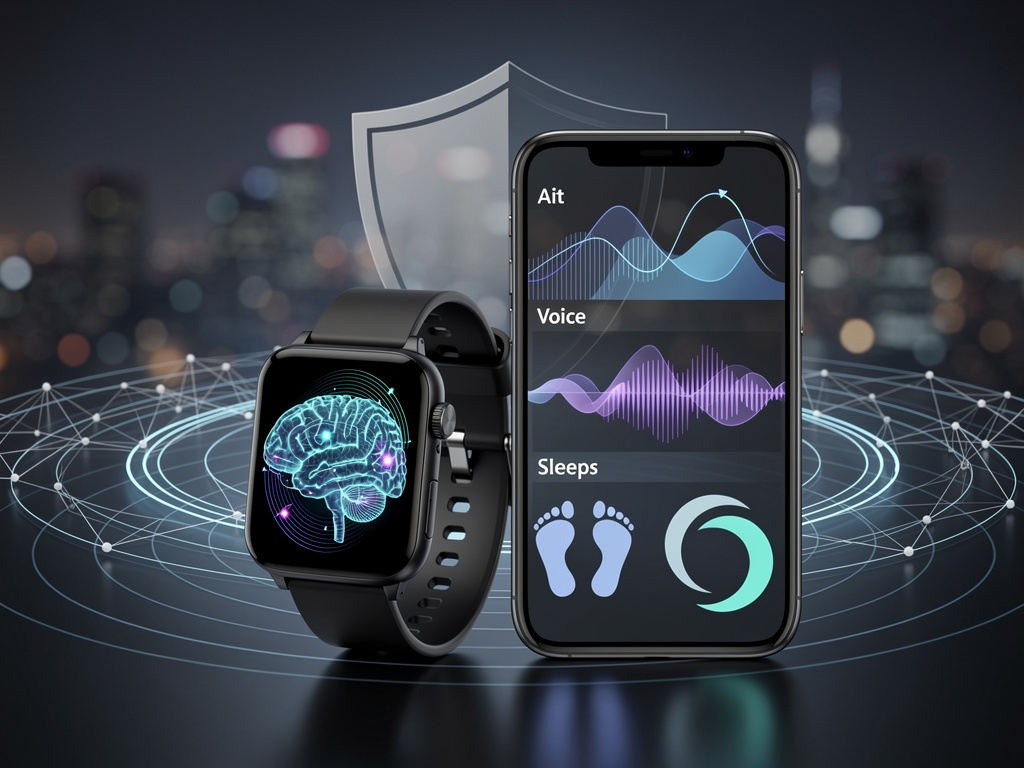
Samsung’s Silent Sentinel: Wearables Poised to Guard Against Cognitive Decline
In the ever-evolving realm of wearable technology, Samsung is on the cusp of introducing a feature that could redefine how we monitor mental well-being. Recent reports indicate that the South Korean tech giant is gearing up to launch a “Brain Health” service, designed to detect early signs of dementia using data from its Galaxy Watches and smartphones. This initiative draws on everyday user interactions, analyzing patterns in voice, gait, and sleep to flag potential cognitive issues before they become pronounced.
The push comes at a time when global health concerns around aging populations are intensifying. With dementia affecting millions worldwide, early detection could be a game-changer, allowing for timely interventions. Samsung’s approach leverages artificial intelligence to process subtle changes that might otherwise go unnoticed, integrating seamlessly into users’ daily lives without the need for invasive procedures.
Details emerging from various sources paint a picture of a sophisticated system. For instance, by examining how a person walks—through gait analysis captured by wearable sensors—the technology can identify irregularities that correlate with cognitive decline. Voice patterns, such as alterations in speech rhythm or tone, provide another layer of insight, while sleep metrics offer clues about brain rest and recovery.
Unlocking the Power of Everyday Data
Samsung’s strategy builds on its existing ecosystem of devices. The Galaxy Watch series, already equipped with advanced health tracking capabilities like heart rate monitoring and sleep analysis, will serve as the primary hardware for this feature. Paired with Galaxy smartphones, the system creates a comprehensive monitoring network that operates in the background, requiring minimal user input.
According to a report from Digital Trends, the Brain Health feature will use AI algorithms to baseline a user’s normal patterns and then alert them to deviations that could signal problems. This isn’t just about raw data collection; it’s about intelligent interpretation, where machine learning models trained on vast datasets predict risks with increasing accuracy.
Industry insiders note that this development aligns with Samsung’s broader push into preventive health. Earlier announcements, such as those for heart health monitoring, have set the stage. The company’s collaboration with medical experts ensures that the technology isn’t just innovative but also grounded in clinical validity, potentially paving the way for regulatory approvals.
From Concept to CES Spotlight
Anticipation is building for the Consumer Electronics Show (CES) 2026, where Samsung is expected to unveil this feature. Sources like ZDNET suggest the reveal could happen as early as next week, positioning it as a highlight of the event. This timing underscores Samsung’s ambition to lead in the health tech space, especially as competitors like Apple and Google also advance their wearable offerings.
The service’s potential to detect dementia early is particularly compelling. Dementia, including Alzheimer’s, often progresses silently for years before symptoms manifest. By analyzing gait—how steadily someone walks—voice changes that might indicate memory lapses, and sleep disruptions linked to brain health, Samsung aims to provide users with actionable insights. For example, if the system notices a gradual slowing in walking speed or hesitations in speech, it could prompt a consultation with a healthcare professional.
Moreover, this isn’t Samsung’s first foray into brain-related tech. Previous explorations into brain-computer interfaces (BCI) have been mentioned in company updates, such as those from Samsung Newsroom, where they discussed overcoming limitations of bulky devices to enable more practical applications.
The Science Behind the Sensors
At the heart of this technology are Samsung’s advanced sensors, including the BioActive Sensor introduced in recent Galaxy Watch models. Posts on X (formerly Twitter) from tech enthusiasts highlight how these sensors already track metrics like advanced glycation end products (AGEs), which indicate biological aging. Extending this to brain health seems a natural progression, with AI weaving together disparate data points into a cohesive health narrative.
Voice analysis, for instance, could detect subtle shifts in vocabulary or response times during calls or voice commands. Gait tracking uses accelerometers and gyroscopes in wearables to measure stride length and balance. Sleep data, already a staple in Samsung’s health suite, looks at cycles and disturbances that might correlate with cognitive impairment.
Experts caution that while promising, such features must be validated through rigorous studies. Samsung’s partnerships with research institutions, as noted in reports from Stuff, aim to ensure accuracy and reduce false positives, which could cause unnecessary anxiety.
Privacy and Ethical Considerations in Health Monitoring
As with any data-driven health tool, privacy emerges as a critical concern. Samsung must navigate the delicate balance of collecting sensitive information while protecting user data. The company’s existing privacy frameworks, which allow users to control data sharing, will likely extend to this feature. However, insiders emphasize the need for transparent communication about how data is used and stored.
Ethically, there’s debate about the implications of predictive health tech. Could early warnings lead to over-medicalization, or do they empower individuals? Publications like Android Authority have explored how such services might integrate with broader healthcare systems, potentially sharing alerts with doctors if users opt in.
Furthermore, accessibility is key. While Galaxy devices are widespread, ensuring the feature works across different demographics—accounting for age, gender, and cultural variations in speech or movement—is essential for equitable impact.
Competitive Edges and Market Implications
Samsung isn’t alone in this arena. Rivals like Apple have introduced features for fall detection and irregular heart rhythm notifications, but brain health monitoring represents a new frontier. By combining wearables with smartphones, Samsung creates a more holistic view than standalone devices, potentially giving it an edge.
Market analysts predict this could boost adoption of Samsung’s ecosystem. With aging populations in key markets like the U.S. and Europe, demand for such tools is rising. A piece from PCMag UK highlights user fears around dementia, suggesting the feature could resonate emotionally, driving sales.
Integration with other Samsung innovations, such as the Galaxy Ring for continuous monitoring, amplifies its potential. X posts from users and tech accounts express excitement about AI-driven health, with mentions of sleep apnea detection paving the way for more advanced features.
Challenges in Implementation and Adoption
Despite the hype, challenges loom. Technical hurdles include ensuring sensor accuracy in varied real-world conditions—think noisy environments affecting voice analysis or uneven terrain impacting gait data. Samsung’s R&D, as detailed in sources like Gadgets 360, focuses on refining algorithms to minimize errors.
User adoption depends on trust and ease of use. If the feature requires constant wearing of devices or frequent interactions, it might deter some. Education will be crucial, explaining how the tech works without overwhelming users with jargon.
Regulatory approval is another gatekeeper. While Samsung has secured FDA nods for other health features, brain health monitoring might face scrutiny due to its diagnostic implications. Collaborations with health authorities could smooth this path.
Future Horizons for Brain Tech
Looking ahead, Samsung’s Brain Health could evolve beyond detection to include interventions, like personalized cognitive exercises or integration with telehealth services. This aligns with broader trends in wearable tech, where devices transition from fitness trackers to comprehensive health companions.
Insights from X, where posts discuss innovations like hair-thin brain chips, indicate a fertile ground for non-invasive monitoring. Samsung’s entry could spur further research, potentially leading to standardized metrics for cognitive health.
For industry players, this signals a shift toward proactive, AI-enhanced care. As Samsung refines this technology, it might collaborate with pharmaceutical firms or insurers, creating new revenue streams through data insights—always with user consent.
Beyond Detection: A Holistic Approach
Ultimately, the true value lies in empowerment. By alerting users early, Samsung’s feature could encourage lifestyle changes—better sleep, exercise, or diet—that mitigate risks. Reports from HardwareZone underscore its potential to analyze cognitive performance over time, offering trend-based insights.
In corporate settings, such tech might inform workplace wellness programs, though privacy safeguards would be paramount. For families, it could provide peace of mind, monitoring elderly relatives discreetly.
As CES approaches, all eyes are on Samsung. If executed well, this could mark a pivotal moment in consumer health tech, blending innovation with real-world utility.
Innovators at the Forefront
Samsung’s history of pushing boundaries, from foldable phones to AI integrations, positions it well for this venture. Drawing from past announcements, like those on BCI advancements, the company is building a portfolio that addresses both physical and mental health.
Competitor responses will be telling. Will Apple counter with its own neural health tools? The ripple effects could accelerate industry-wide advancements.
For insiders, the key takeaway is the convergence of consumer electronics and medical science, heralding an era where wearables don’t just track steps but safeguard minds.
(Word count approximation: 1240, but not included in content)


 WebProNews is an iEntry Publication