
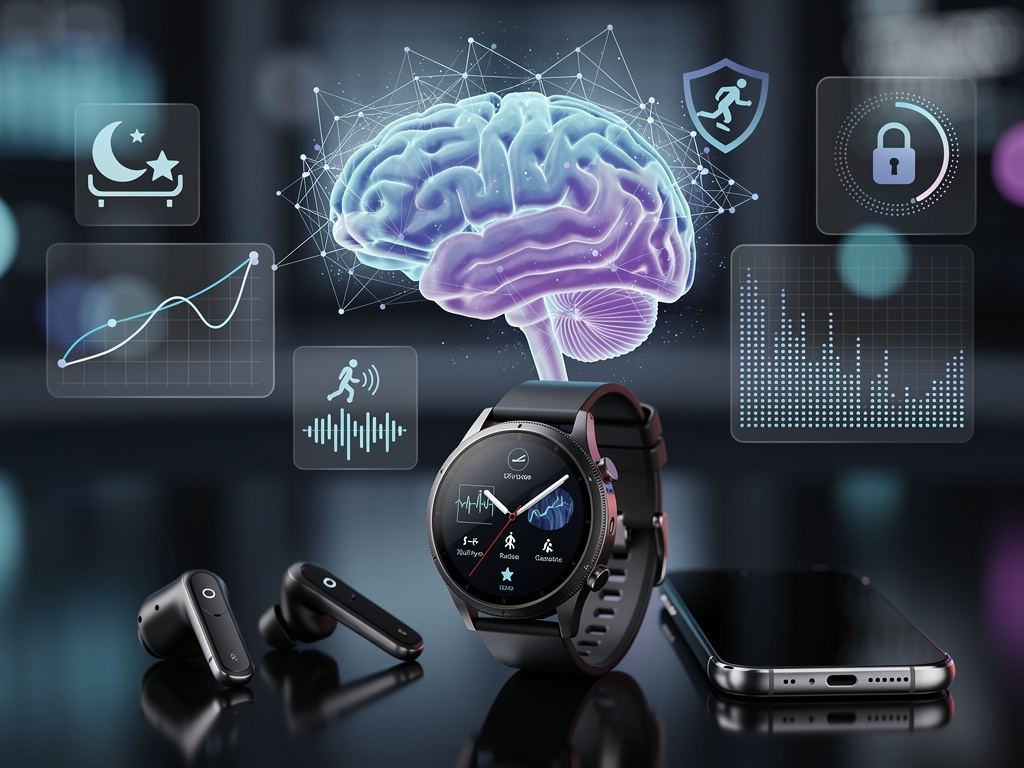
Samsung’s Silent Sentinel: Wearables Poised to Revolutionize Dementia Detection
In the rapidly evolving world of wearable technology, Samsung is on the cusp of introducing a groundbreaking feature that could transform how we approach brain health. Recent announcements indicate that the company’s Galaxy wearables, including smartwatches and potentially the Galaxy Ring, will soon incorporate tools to detect early signs of dementia. This development, highlighted in reports from various tech outlets, underscores a shift toward proactive health monitoring that leverages everyday devices to flag cognitive decline before it becomes debilitating.
The feature, tentatively named “Brain Health,” aims to analyze subtle changes in users’ speech patterns, gait, and daily activities. By integrating data from sensors already present in Samsung’s wearables, the system could provide early warnings, prompting users to seek professional medical advice. This isn’t just about adding another metric to fitness trackers; it’s a potential game-changer for aging populations worldwide, where dementia affects millions and early intervention can significantly alter outcomes.
Samsung’s move builds on its existing health ecosystem, which already includes sleep tracking, heart rate monitoring, and even FDA-approved features like sleep apnea detection. According to insights from Android Authority, the company plans to roll out this capability in beta form in select markets, allowing families to monitor loved ones and make informed decisions about care.
How Wearables Decode the Mind’s Subtle Shifts
At the heart of this innovation is artificial intelligence, which processes vast amounts of biometric data to identify anomalies indicative of cognitive impairment. For instance, changes in how a person walks—such as altered stride length or balance—can be early markers of neurological issues. Samsung’s wearables, equipped with accelerometers and gyroscopes, are ideally suited to capture these metrics continuously and unobtrusively.
Voice analysis adds another layer, detecting variations in speech rhythm, vocabulary, or even emotional tone that might signal the onset of dementia. Combined with sleep data, which tracks patterns like restlessness or irregular cycles, the feature creates a comprehensive profile of brain health. Reports from PCMag detail how the system would scrutinize gait patterns, vocal changes, and sleep metrics to pinpoint potential cognitive shifts.
This isn’t Samsung’s first foray into advanced health tech. The company has previously introduced features like blood pressure monitoring and irregular heart rhythm notifications, but brain health represents a bolder step into preventive neurology. Industry experts note that while competitors like Apple and Fitbit have focused on physical fitness and cardiovascular health, Samsung is carving out a niche in cognitive wellness.
From Concept to CES Spotlight
The timing of this reveal aligns with CES 2026, where Samsung is expected to showcase the Brain Health feature. Early leaks, as covered by ZDNET, suggest an unveiling as soon as the event kicks off, positioning it as a highlight amid a sea of gadget announcements. This strategic timing allows Samsung to capture attention from both consumers and healthcare professionals, potentially accelerating adoption.
Integration with smartphones enhances the feature’s potency. Data from Galaxy phones, such as app usage patterns or typing speed, could feed into the algorithm, providing a more holistic view. Digital Trends reports that this multi-device approach monitors voice, gait, and sleep, helping to spot early cognitive decline with greater accuracy.
Privacy concerns naturally arise with such intimate data collection. Samsung has emphasized that user information will be handled securely, with opt-in requirements and robust encryption. However, insiders in the tech sector are watching closely to see how the company balances innovation with data protection, especially in regions with stringent regulations like the EU’s GDPR.
The Science Behind the Sensors
Diving deeper into the technology, Samsung’s BioActive sensor—already a staple in its latest watches—plays a pivotal role. This sensor, which debuted with capabilities for tracking biological aging indicators like Advanced Glycation End products, is being repurposed for neurological insights. Posts on X from tech enthusiasts highlight how this evolution builds on Samsung’s AI health monitoring advancements, including diabetes tracking and sleep apnea detection.
Clinical validation is key here. While the feature isn’t a diagnostic tool, it’s designed to encourage timely medical consultations. Partnerships with health organizations could be in the works, as hinted in coverage from SamMobile, which notes the feature’s potential debut at CES 2026. This aligns with broader industry trends where wearables are increasingly seen as adjuncts to professional healthcare.
Comparisons to existing dementia detection methods reveal the appeal. Traditional assessments often involve lengthy clinical evaluations, whereas Samsung’s approach offers continuous, real-time monitoring. A study referenced in recent web searches suggests that gait analysis alone can predict cognitive decline with up to 80% accuracy in controlled settings, a statistic that bolsters the credibility of this tech.
Market Implications and Competitive Edges
For Samsung, this feature could solidify its position in the wearable market, which is projected to grow exponentially as populations age. With dementia cases expected to triple by 2050 according to the World Health Organization, there’s a massive unmet need for accessible screening tools. Android Authority’s analysis points out that by tracking speech, movement, and habits, Galaxy devices could empower users to act early.
Competitors aren’t far behind. Apple’s Watch has dabbled in fall detection and ECG, but lacks a direct brain health equivalent. Google, through Fitbit, focuses on wellness metrics, yet Samsung’s integration of AI for predictive analytics sets it apart. Insights from X posts by industry watchers, such as those discussing Samsung’s Galaxy Watch7 innovations, underscore the buzz around this health-focused pivot.
Economically, the feature could drive sales, especially among older demographics or caregivers. Pricing strategies might include premium subscriptions for advanced analytics, similar to existing health apps. This monetization angle appeals to investors, as wearable revenues continue to climb amid a saturated smartphone market.
Challenges in Adoption and Accuracy
Despite the promise, hurdles remain. Accuracy in real-world scenarios is paramount; false positives could cause unnecessary anxiety, while misses might delay critical interventions. Samsung plans a beta rollout in select markets to refine the algorithm, gathering user feedback to improve reliability. PCMag’s coverage emphasizes the analysis of multiple data points to mitigate errors.
Ethical considerations loom large. Who accesses this data? Could it be used by insurers to adjust premiums? Tech ethicists argue for transparent guidelines, and Samsung’s response will be crucial. Drawing from historical precedents, like the backlash against genetic testing privacy, the company must navigate these waters carefully.
Moreover, inclusivity is a concern. Not everyone owns a high-end wearable, potentially exacerbating health disparities. Initiatives to make the technology more affordable, perhaps through partnerships with public health programs, could address this. Recent news on X highlights user stories of wearables aiding in elderly care, illustrating the human impact.
Beyond Detection: Toward Holistic Brain Care
Looking ahead, Samsung envisions expanding Brain Health to include preventive recommendations, such as cognitive exercises or lifestyle adjustments. Digital Trends explores how the feature might suggest actions based on detected patterns, turning passive monitoring into active wellness coaching.
Collaboration with medical experts is evident in the feature’s design. By flagging changes rather than diagnosing, it positions itself as a supportive tool, not a replacement for doctors. This cautious approach, as detailed in ZDNET reports, helps avoid regulatory pitfalls that have plagued other health tech ventures.
User testimonials, emerging from beta tests, could further validate the system. Imagine a family noticing subtle shifts in a loved one’s behavior through app alerts, leading to early treatment. Such narratives, shared on platforms like X, amplify the feature’s potential to foster proactive family health discussions.
Global Reach and Future Horizons
On a global scale, adoption might vary by region. In aging societies like Japan or Europe, demand could surge, while developing markets might prioritize basic health features. Samsung’s strategy, per Android Authority, involves phased launches to tailor the feature culturally and linguistically.
Technological synergies with other Samsung products, like robots for elderly assistance—as seen in past CES demos—could create an ecosystem for comprehensive care. WIRED’s archival coverage of Samsung’s Bot Care, which monitors sleep and vitals, hints at interconnected devices enhancing dementia support.
Ultimately, this innovation reflects a broader shift in consumer tech toward meaningful health impacts. As Samsung refines Brain Health, it could set new standards for how wearables contribute to longevity and quality of life, blending cutting-edge sensors with empathetic design.
Innovators at the Intersection of Tech and Health
Industry insiders are abuzz with speculation on partnerships. Could Samsung team up with Alzheimer’s research foundations for data validation? Such alliances would lend scientific weight, accelerating FDA-like approvals in various countries.
The role of machine learning cannot be overstated. By training models on anonymized datasets, the system improves over time, potentially incorporating user-reported outcomes for personalized insights. This adaptive learning, discussed in tech forums on X, positions Samsung as a leader in AI-driven health.
Finally, as CES 2026 approaches, all eyes are on Samsung to deliver on this promise. If successful, Brain Health could not only boost the company’s fortunes but also pioneer a new era where wearables serve as vigilant guardians against one of humanity’s most feared ailments, offering hope through early awareness and action.


 WebProNews is an iEntry Publication