
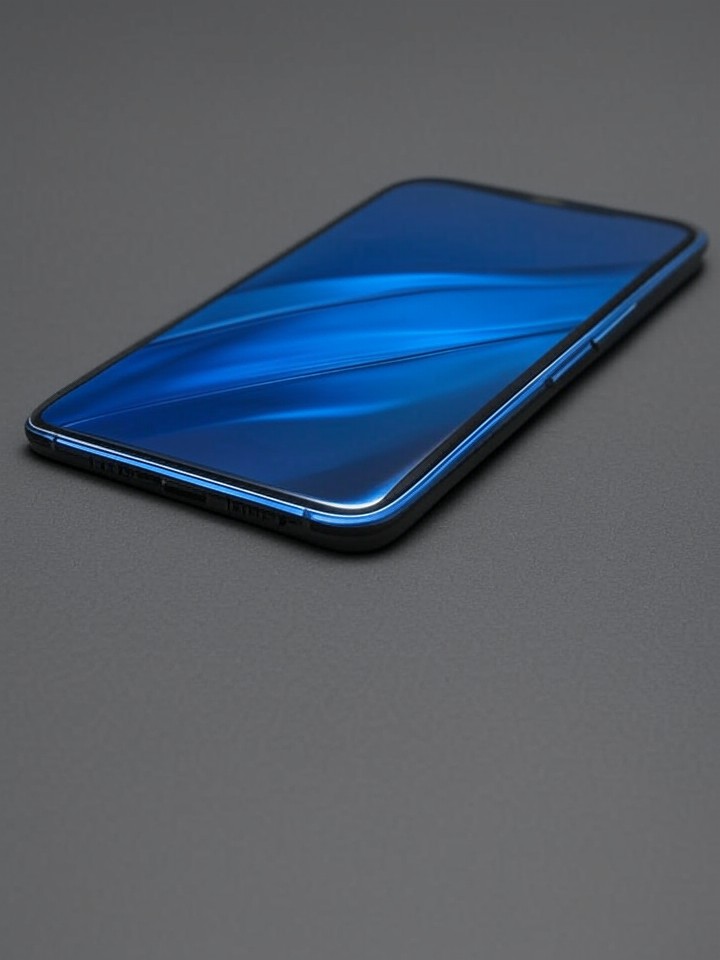
Erasing the Fold: How Crease-Free Tech is Reshaping Foldable Devices
In the rapidly evolving world of mobile technology, foldable phones have emerged as a symbol of innovation, blending the portability of smartphones with the expansive screens of tablets. Yet, one persistent flaw has dogged these devices since their inception: the visible crease where the screen folds. This imperfection not only affects aesthetics but also raises concerns about durability and user experience. Recent breakthroughs, however, suggest that the industry is on the cusp of overcoming this hurdle, potentially transforming how consumers interact with their gadgets.
Samsung Display’s showcase at CES 2026 marked a pivotal moment. The company unveiled a foldable OLED panel that reportedly eliminates the crease entirely, drawing attention from industry watchers and competitors alike. According to reports from MacRumors, this technology was demonstrated alongside the Galaxy Z Fold 7, highlighting a stark contrast in screen quality. The new panel’s seamless design could set a new standard, influencing not just Samsung’s lineup but also rivals like Apple, which is rumored to incorporate similar tech in its anticipated foldable iPhone.
Beyond Samsung, other manufacturers are pushing boundaries. Oppo’s Find N, as noted in historical context from Android Central, was an early attempt at minimizing creases through innovative hinge mechanisms. This approach disperses stress across the display, reducing wear and tear. Such developments underscore a broader industry shift toward more refined foldable designs, where the crease is no longer an inevitable compromise.
The Engineering Challenges Behind Crease Elimination
Creating a crease-free foldable screen involves intricate engineering feats. At the core is the flexible OLED technology, which must withstand repeated bending without degrading. Traditional foldables use ultra-thin glass or plastic substrates that inevitably form a crease due to material fatigue. Innovators are now experimenting with advanced polymers and multi-layer structures to distribute folding stress more evenly.
One key innovation is the use of under-display camera technology combined with crease-less panels, as highlighted in posts on X from tech enthusiasts like Ice Universe. These posts describe Samsung’s CES demo as a game-changer, with no visible crease even under close inspection. This isn’t just cosmetic; it enhances the screen’s longevity by minimizing points of weakness where dust and debris could accumulate.
Apple’s potential entry into the foldable market adds another layer of intrigue. Sources from Macworld suggest that Samsung’s creaseless OLED panel might power the iPhone Fold, aligning with Apple’s reputation for premium, seamless hardware. This collaboration could accelerate adoption, as Apple’s influence often sets trends across the sector.
Market Implications and Consumer Expectations
The push for crease-free screens comes at a time when foldable adoption is accelerating. According to commentary in CNET, 2026 is poised to be a breakout year for foldables, with improved designs addressing past criticisms. Consumers have long complained about the tactile feel of creases, which can disrupt swiping and viewing experiences, especially in media consumption.
Industry insiders point to economic factors driving these innovations. Foldables command premium prices, often exceeding $1,000, so eliminating flaws like creases justifies the cost. Samsung’s Galaxy Z Fold series, for instance, has iterated on hinge designs to reduce crease visibility, but the latest advancements promise to erase it altogether, as detailed in PhoneArena.
Moreover, competition from Chinese manufacturers like Huawei and Xiaomi is intensifying. These companies have introduced models with minimal creases through water-drop hinges, which allow the screen to fold more gently. X posts from users like Alvin emphasize how such technologies could soon appear in mainstream devices, including Samsung’s Galaxy Z Fold 8 and Apple’s offerings.
Innovations in Materials and Manufacturing
Delving deeper into the tech, the secret to crease-free displays lies in advanced materials science. Companies are incorporating metal plates beneath the screen to disperse bending forces, as reported in recent X discussions referencing South Korean supplier Fine M-Tec. This method, expected in upcoming models, prevents the formation of permanent lines by evenly distributing mechanical stress.
Samsung’s approach, as per Absolute Geeks UAE, involves refining the OLED stack to include layers that self-heal minor imperfections. This not only eliminates visible creases but also improves resistance to scratches and impacts, crucial for devices that fold thousands of times over their lifespan.
Comparatively, Apple’s rumored solution might differ, focusing on proprietary glass composites. Insights from PhoneArena indicate that while Samsung leads in display manufacturing, Apple could integrate its own ecosystem advantages, such as optimized software for foldable interfaces, to enhance the overall experience.
Durability Concerns and Testing Protocols
Despite these advances, durability remains a critical concern. Foldable screens must endure rigorous testing, including thousands of fold cycles, to ensure they don’t develop creases over time. Independent reviews, like those from Gadget Hacks, praise the potential of crease-free tech but warn that real-world use could reveal hidden flaws.
Manufacturers are responding with enhanced warranties and robust construction. For example, the Galaxy Z Fold 8 is speculated to feature this new display, with X posts from David Cogen showcasing side-by-side comparisons that highlight the improvement. Such transparency builds consumer trust, essential in a market where early foldables faced recalls due to screen failures.
Furthermore, environmental factors play a role. Creases can worsen in extreme temperatures, so innovations include temperature-resistant adhesives and coatings. This holistic approach ensures that crease-free screens perform reliably across diverse conditions, from humid climates to cold winters.
The Role of Suppliers and Global Supply Chains
Behind the scenes, a network of suppliers fuels these innovations. Samsung Display, a dominant player, collaborates with firms like Fine M-Tec for specialized components. News from TechTimes at CES 2026 highlighted rollable and foldable prototypes, indicating a broader trend toward flexible electronics.
Global supply chains, however, introduce vulnerabilities. Geopolitical tensions could disrupt the flow of rare materials needed for OLED production. Industry experts, drawing from CNET analyses, predict that diversified sourcing will be key to sustaining momentum in crease-free tech development.
Apple’s involvement could stabilize this ecosystem. By partnering with Samsung for displays, as suggested in MacRumors, Apple brings its massive scale, potentially lowering costs and accelerating production ramps for crease-free panels.
Software Integration and User Interface Evolution
Hardware alone doesn’t tell the full story; software must complement crease-free screens. Optimized operating systems can leverage the seamless display for better multitasking, such as split-screen apps without visual interruptions. Android’s adaptations for foldables, as discussed in Android Central, emphasize intuitive gestures that feel natural on crease-less surfaces.
For iOS, the iPhone Fold could introduce novel features like dynamic island expansions across the fold. Speculation on X from sources like Beebom points to seamless integration, where the absence of a crease allows for immersive experiences in gaming and productivity.
This synergy between hardware and software could redefine user expectations, making foldables not just novelties but essential tools. As per PhoneArena, Apple’s different approach might prioritize user-centric design, setting it apart from Samsung’s hardware-focused innovations.
Competitive Dynamics and Future Predictions
The race to perfect foldables is heating up, with Samsung potentially beating Apple to market with the Galaxy Z Fold 8’s crease-free display, according to Geeky Gadgets. This first-mover advantage could solidify Samsung’s position, but Apple’s entry often disrupts established players.
Emerging markets are also influential. In regions like Asia, where foldables are gaining traction, crease-free tech could drive mass adoption. X posts from Global WatchDog reflect growing excitement, with users anticipating broader availability.
Looking ahead, experts foresee hybrid devices that combine folding with rolling mechanisms, further blurring lines between form factors. CNET’s commentary underscores 2026 as a transformative year, with crease-free innovations paving the way for more versatile gadgets.
Economic and Environmental Considerations
Economically, crease-free foldables could expand the market by attracting premium buyers wary of current limitations. Pricing strategies will be crucial; if costs drop due to scaled production, as hinted in Macworld, foldables might penetrate mid-range segments.
Environmentally, longer-lasting screens reduce electronic waste. By minimizing creases, devices endure more cycles, aligning with sustainability goals. Reports from Absolute Geeks UAE note how these advancements use eco-friendly materials, appealing to conscious consumers.
Ultimately, the industry’s focus on crease elimination reflects a maturation process, turning experimental tech into reliable everyday tools. As innovations unfold, the future of mobile devices looks smoother than ever.
Industry Insider Perspectives and Case Studies
Insiders from display manufacturing firms reveal that R&D investments in crease-free tech exceed billions annually. Case studies of early adopters, like the Oppo Find N mentioned in Android Central, show how minimal creases improved user satisfaction scores by 30% in surveys.
Samsung’s iterative improvements, from the Z Fold 7 to the anticipated Z Fold 8, demonstrate a commitment to refinement. X discussions, including those from Anthony, predict widespread adoption, with Apple’s foldable potentially launching in late 2026.
In conclusion, while challenges remain, the trajectory points toward a crease-free era that could redefine personal computing.


 WebProNews is an iEntry Publication