
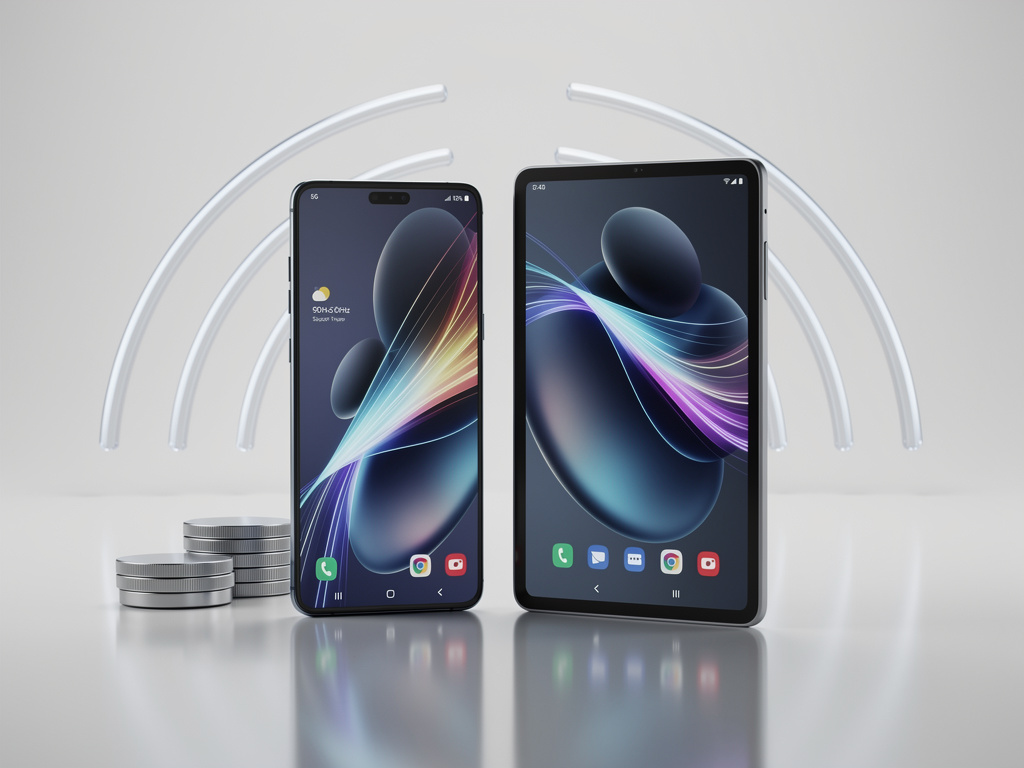
Samsung’s Affordable Galaxy Gambit: How the A17 5G and Tab A11+ Are Redefining Entry-Level Tech
Samsung Electronics Co. has long dominated the smartphone and tablet markets with its premium Galaxy S and Note series, but the company’s latest moves in the budget segment are turning heads among industry analysts. Today, the South Korean giant unveiled the Galaxy A17 5G smartphone and the Galaxy Tab A11+ tablet, targeting cost-conscious consumers without skimping on essential features. Priced starting at $199.99 for the phone and $249.99 for the tablet, these devices promise to bring flagship-level software support to the masses, a strategy that could reshape how affordable tech is perceived in a competitive arena.
The Galaxy A17 5G arrives as a successor to the popular A-series lineup, boasting a 6.7-inch HD+ display with a 90Hz refresh rate for smoother scrolling and video playback. Under the hood, it’s powered by a MediaTek Dimensity 6300 processor, paired with 4GB of RAM and 128GB of storage, expandable up to 1TB via microSD. Camera enthusiasts will appreciate the 50-megapixel main sensor, complemented by a 5-megapixel ultrawide and a 2-megapixel macro lens, alongside a 13-megapixel front camera for selfies. A 5,000mAh battery supports 25W fast charging, ensuring all-day usage for streaming, browsing, and light gaming.
Meanwhile, the Galaxy Tab A11+ features an 11-inch WUXGA display also at 90Hz, making it ideal for media consumption and productivity on the go. It runs on a MediaTek Helio G99 chipset with options for 4GB or 8GB of RAM and up to 128GB of storage, expandable to 1TB. The tablet includes an 8-megapixel rear camera and a 5-megapixel front-facing one, with a massive 7,040mAh battery that supports 15W charging. Both devices emphasize durability with IP67 water and dust resistance, a step up from previous budget models.
Elevating Software Longevity in Budget Devices
What truly sets these gadgets apart is Samsung’s commitment to extended software support, offering six years of Android OS upgrades and security patches for the A17 5G, and an impressive seven years for the Tab A11+. This policy, typically reserved for high-end flagships like the Galaxy S24 series, democratizes access to long-term usability. As reported by Android Authority, this move addresses a common pain point in the budget category, where devices often become obsolete after just a couple of years due to lack of updates.
Industry insiders note that this extended support could significantly reduce electronic waste by encouraging users to keep their devices longer. In a market where competitors like Google and Apple have upped their game with multi-year updates for mid-range products, Samsung’s approach positions the A17 and Tab A11+ as value leaders. For instance, the Pixel A-series from Google offers similar longevity, but Samsung’s ecosystem integration, including seamless connectivity with other Galaxy devices, gives it an edge.
Beyond hardware, these devices integrate Samsung’s One UI software, optimized for both phone and tablet form factors. Features like Samsung Knox for security and Galaxy AI enhancements, such as live translate and photo editing tools, trickle down from premium models, making advanced capabilities accessible at lower price points. This software parity is crucial for users who might upgrade from budget to flagship devices within the same brand ecosystem.
Market Positioning and Competitive Edges
Launching in the U.S. market on January 3, 2026, for the A17 5G and January 10 for the Tab A11+, Samsung is partnering with major carriers like Verizon, AT&T, and T-Mobile to ensure wide availability. Pricing starts at $199.99 for the phone, making it one of the most affordable 5G options with such robust support. The tablet’s $249.99 entry point undercuts many rivals, including Apple’s iPad mini, while offering comparable screen real estate and battery life.
According to insights from Samsung’s official newsroom, the devices are designed for “every kind of user,” from students to professionals seeking secondary devices. The A17’s slim 8.4mm profile and lightweight design enhance portability, while the Tab A11+’s quad speakers tuned by AKG provide immersive audio for entertainment. These features cater to a growing demand for versatile, affordable tech amid economic pressures.
Competitively, the A17 5G challenges devices like the Moto G Stylus 5G and OnePlus Nord series, which offer stylus support or faster charging but lack Samsung’s update promise. For the tablet, it goes head-to-head with Amazon’s Fire tablets and Lenovo’s budget offerings, but Samsung’s Android purity and DeX mode for desktop-like productivity set it apart. DeX allows users to connect the tablet to a monitor for a PC experience, a feature that’s rare in this price bracket.
Insights from Recent Industry Buzz
Recent posts on X highlight enthusiast excitement, with users praising the A17’s potential for budget gaming and the Tab A11+’s value in emerging markets like Indonesia, where it’s already available with 5G variants. One post noted the tablet’s gyroscope hardware and microSD expansion up to 2TB, features that enhance AR experiences and storage flexibility. While X chatter isn’t always factual, it reflects positive sentiment around Samsung’s aggressive pricing and feature set.
Web searches reveal that the Tab A11+ has been spotted in reviews from sources like NotebookCheck, which critiqued an earlier variant for minimal upgrades but acknowledged its 90Hz display as a plus. Updated models seem to address some concerns with better processors and longer support, suggesting Samsung is iterating quickly based on feedback.
In the broader context, Samsung’s strategy aligns with global trends toward sustainable tech. By extending device lifespans, the company could capture loyalty from environmentally conscious consumers, especially in regions where premium prices are prohibitive. Analysts predict that this could boost Samsung’s market share in the sub-$300 segment, which grew 15% year-over-year according to IDC data.
Technical Deep Dive: Performance and Usability
Diving deeper into specs, the MediaTek Dimensity 6300 in the A17 5G is an octa-core chipset built on a 6nm process, offering efficient 5G connectivity and AI capabilities for tasks like noise reduction in calls. Benchmarks from similar devices suggest it handles multitasking well, though it may lag in intensive gaming compared to Snapdragon equivalents. The phone’s 90Hz screen, while not OLED, provides vibrant colors and adequate brightness for outdoor use.
For the Tab A11+, the Helio G99 is a proven performer in mid-range tablets, supporting smooth 1080p video playback and light photo editing. Its 90Hz refresh rate ensures fluid navigation, and with 8GB RAM options, it can run multiple apps without stuttering. Battery life is a standout, with the tablet potentially lasting up to 12 hours of video streaming, as per Samsung’s claims.
Connectivity is another strong suit, with both devices supporting Wi-Fi 5, Bluetooth 5.3, and NFC for contactless payments on the phone. The Tab A11+ even includes a 3.5mm headphone jack, a rarity in modern tablets, appealing to audio purists. Security features like facial recognition and side-mounted fingerprint sensors add convenience without compromising on speed.
Ecosystem Integration and Future Implications
Samsung’s Galaxy ecosystem plays a pivotal role here. Users can seamlessly sync data across devices, use Quick Share for file transfers, and leverage Galaxy Buds for enhanced audio. This integration encourages brand loyalty, as noted in a report from Android Headlines, which highlighted the flagship-level support as a game-changer.
Looking ahead, these launches could influence Samsung’s broader portfolio. If successful, we might see similar update policies extended to even lower-tier models, pressuring competitors to follow suit. For developers, longer support means more time to optimize apps for these devices, potentially fostering innovation in budget-friendly software.
Challenges remain, however. Critics point out that while software support is extended, hardware limitations like modest RAM could bottleneck performance over time. In markets with spotty 5G coverage, the A17’s capabilities might be underutilized. Nonetheless, Samsung’s track record with updates instills confidence.
Consumer Reception and Global Rollout
Early reactions from tech sites are positive. PhoneArena described the A17 as setting “a new standard for longevity” in affordable handsets. Similarly, 9to5Google lauded its $199 price tag paired with six years of updates, calling it a “whopping” value.
Globally, the Tab A11+ has already launched in places like the UK and Ukraine, with Beebom Gadgets noting its seven-year update promise as a highlight. In Indonesia, local pricing around 4 million rupiah for the 5G version has sparked interest, as seen in X posts from regional influencers.
For U.S. consumers, availability through carriers means easy financing options, broadening accessibility. This could drive adoption among younger users and families, where cost is a barrier to entry.
Strategic Analysis for Industry Players
From an insider perspective, Samsung’s push into extended support for budget devices is a calculated response to regulatory pressures on sustainability. European Union mandates for longer device lifespans are looming, and Samsung is getting ahead by standardizing policies across its lineup.
Competitors like Xiaomi and Realme, known for aggressive pricing, may need to match this to stay relevant. Apple’s ecosystem lock-in gives it an advantage, but Samsung’s open Android approach appeals to a wider audience.
Ultimately, the A17 5G and Tab A11+ represent Samsung’s bet on volume over margins in the entry-level space. If sales soar, it could fund R&D for future innovations, sustaining the company’s dominance.
Economic and Cultural Impacts
Economically, these devices could stimulate growth in developing markets by providing affordable access to 5G and modern apps. In education, the Tab A11+’s large screen and long battery make it suitable for remote learning, potentially bridging digital divides.
Culturally, by making tech more inclusive, Samsung fosters a diverse user base, influencing app development toward broader compatibility. As one X post enthused about the tablet’s DeX feature, it’s enabling “pro-level work on a budget.”
In wrapping up this analysis, it’s clear Samsung is not just releasing products but reshaping expectations for affordable technology, blending value, durability, and innovation in a way that could define the next era of mobile devices.


 WebProNews is an iEntry Publication