
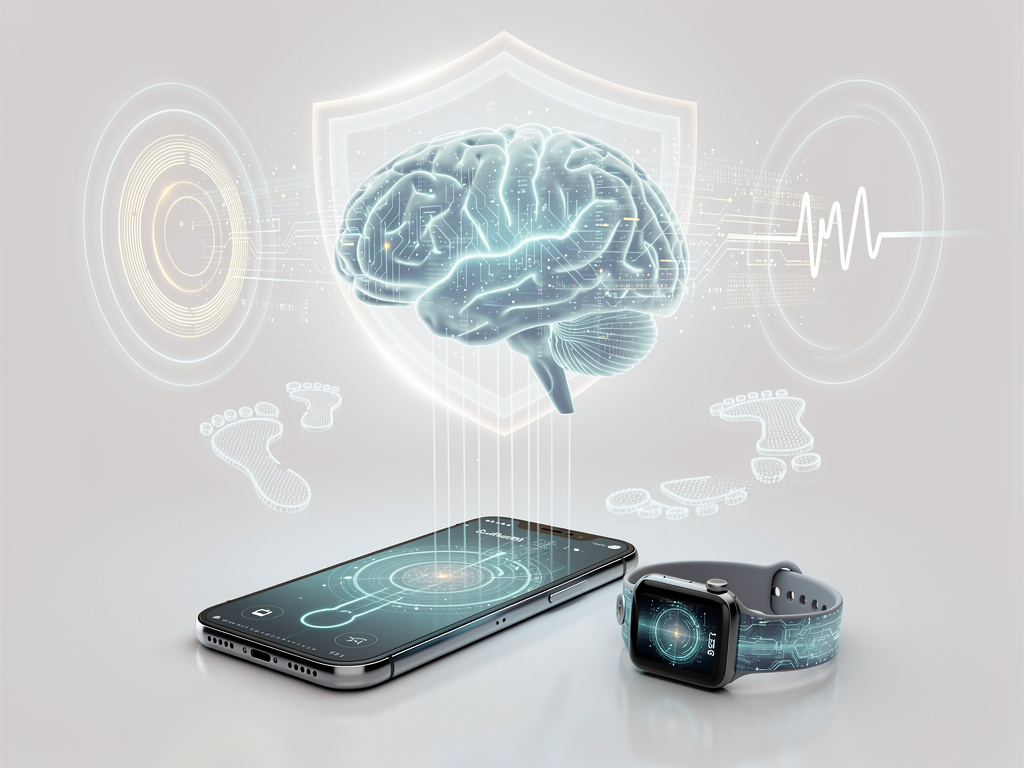
In the rapidly evolving field of consumer health technology, Samsung Electronics is poised to make a significant leap with its upcoming Brain Health feature, designed to detect early signs of cognitive decline such as dementia. Drawing from recent reports, this innovation leverages data from smartphones and wearables to analyze voice patterns, gait, and sleep quality, potentially alerting users to subtle changes that could indicate neurological issues. As the company prepares for its unveiling at the Consumer Electronics Show (CES) 2026 in Las Vegas, industry experts are buzzing about how this could reshape preventive healthcare, blending artificial intelligence with everyday devices.
The feature, expected to integrate seamlessly into the Samsung Health app, represents an expansion beyond traditional fitness tracking. According to details shared in a report from Gadgets 360, Samsung plans to showcase the service in a dedicated experience zone at La Tour at Wynn Las Vegas, allowing attendees to interact with prototypes. This move comes amid growing demand for tools that address aging populations, where dementia affects millions globally, often going undiagnosed until advanced stages.
Samsung’s approach relies on passive data collection, meaning users won’t need to perform specific tests; instead, the system monitors routine activities. Voice analysis might detect hesitations or changes in speech rhythm, while gait tracking via accelerometers in devices like the Galaxy Watch could identify irregularities in walking patterns. Sleep data, already a staple in Samsung’s wearables, will contribute by flagging disruptions linked to cognitive health.
Pioneering Neurological Monitoring in Wearables
Collaboration with medical institutions is key to validating this technology. Reports indicate Samsung is partnering with experts for clinical trials, ensuring the feature’s accuracy before widespread rollout. A piece from ZDNET highlights how the Brain Health service could provide alerts for early dementia signs, emphasizing its potential to encourage timely medical consultations. This isn’t Samsung’s first foray into advanced health metrics; the company has previously introduced ECG monitoring and blood pressure tracking, but brain health pushes into uncharted territory for consumer tech.
Privacy concerns are front and center, given the sensitive nature of neurological data. Samsung has committed to robust security measures, with all processing handled locally on devices rather than in the cloud, protected by its Knox security platform. This local management reduces risks of data breaches, a critical factor as regulators scrutinize health apps under frameworks like HIPAA in the U.S. and GDPR in Europe.
Industry insiders note that this feature could set a new standard, prompting competitors like Apple and Google to accelerate their own neurological tracking efforts. For instance, Apple’s Watch has fall detection and irregular heart rhythm notifications, but lacks direct cognitive monitoring. Samsung’s initiative might force a reevaluation of what wearables can achieve, moving from reactive to proactive health interventions.
Data-Driven Insights and Prevention Strategies
Beyond detection, the Brain Health feature is rumored to include preventive elements, such as brain-training exercises and lifestyle recommendations. Drawing from a report in Sammy Fans, the service aims to go past basic fitness metrics, incorporating neurological monitoring into devices like the Galaxy Watch and Galaxy Ring. Users might receive personalized tips, like puzzles or sleep hygiene advice, to mitigate cognitive decline risks.
This builds on Samsung’s existing AI-driven health ecosystem. Earlier this year, the company enhanced its BioActive sensor for metrics like advanced glycation end products (AGEs), which indicate biological aging. Posts on X (formerly Twitter) from users and tech enthusiasts reflect excitement, with discussions around how such features could empower individuals to take charge of their brain health proactively. One thread highlighted Samsung’s collaboration with Stanford Medicine on sleep apnea detection, suggesting a foundation for more sophisticated analyses.
Clinical validation is crucial, as false positives could cause unnecessary anxiety. Samsung’s partnerships with medical bodies aim to refine algorithms, potentially using machine learning models trained on vast datasets from diverse populations. This inclusivity is vital, ensuring the feature works across ages, ethnicities, and health profiles, avoiding biases that have plagued other AI health tools.
Technological Underpinnings and Challenges
At its core, the Brain Health feature employs sophisticated AI to process multimodal data. Voice patterns are analyzed for prosody changes—variations in pitch, tone, and speed—that research links to early dementia. Gait analysis draws from wearable sensors to detect micro-alterations in stride length or balance, often precursors to cognitive issues. Sleep tracking, enhanced by features like FDA-approved apnea detection, correlates with brain health, as poor sleep is a known risk factor.
A detailed examination in TechRadar notes that data security via Knox and local processing will be pivotal, with the feature likely tying into Samsung Health’s existing suite. However, challenges remain: accuracy in real-world scenarios, where environmental factors like noise could skew voice data, or varying activity levels affect gait readings.
Regulatory hurdles are another layer. In the U.S., such features might require FDA clearance as medical devices, similar to Samsung’s prior approvals for ECG and sleep tracking. Globally, approvals from bodies like the European Medicines Agency could delay launches in key markets. Industry observers predict a phased rollout, starting with select regions where regulations are more permissive.
Market Implications and Competitive Dynamics
The introduction of Brain Health could broaden Samsung’s appeal, particularly among older demographics and caregivers. A report from India News Network suggests it will offer prevention strategies, positioning Samsung as a leader in holistic wellness. This aligns with broader trends in digital health, where wearables generated over $50 billion in revenue last year, driven by aging societies in countries like Japan and the U.S.
Competitors are watching closely. Apple’s ecosystem, with its Health app and ResearchKit, has enabled studies on cognitive health, but lacks integrated detection in consumer devices. Google, through Fitbit, focuses on sleep and stress but hasn’t ventured into dementia screening. Samsung’s move could catalyze innovation, perhaps leading to cross-platform standards for neurological data sharing.
On X, recent posts from tech influencers underscore public interest, with users speculating on integration with smart home devices for comprehensive monitoring. For example, combining Brain Health with Samsung’s ecosystem could enable automated reminders or family alerts, enhancing its utility for remote caregiving.
Ethical Considerations and Future Prospects
Ethically, the feature raises questions about data consent and the psychological impact of health alerts. Samsung must ensure users understand the limitations—it’s not a diagnostic tool but a prompt for professional evaluation. Collaborations with neurologists could include educational resources within the app, demystifying dementia and promoting mental health stigma reduction.
Looking ahead, expansions might include integration with other biometrics, like eye-tracking via smartphone cameras or even EEG-like readings from future wearables. A piece in SamMobile reports the CES 2026 unveiling will detail availability, likely starting with premium devices like the Galaxy S series and Watch 7.
The economic angle is compelling: early dementia detection could save billions in healthcare costs by enabling interventions that delay onset. Studies from organizations like the Alzheimer’s Association estimate global dementia care at over $1 trillion annually, with early detection potentially reducing that burden.
Integration with Broader Health Ecosystems
Samsung’s Brain Health isn’t isolated; it complements existing features like blood glucose monitoring rumors and cardiovascular tracking. By aggregating data, the app could provide a comprehensive health score, factoring in cognitive metrics alongside physical ones. This holistic view appeals to insurers, who might offer incentives for users engaging with such tools, similar to programs rewarding fitness tracking.
Challenges in adoption include digital literacy among older users. Samsung could address this with intuitive interfaces and voice-guided setups, drawing from its history of accessible tech. Partnerships with telehealth providers might allow seamless data sharing with doctors, streamlining consultations.
Recent web searches reveal growing anticipation, with articles emphasizing how this feature could “tempt” users from rival ecosystems, as noted in Sammy Fans. The shift toward neurological focus marks a maturation of wearables, from novelties to essential health companions.
Global Rollout and User Impact
As CES 2026 approaches, Samsung’s demonstrations will likely include live demos of data analysis, showcasing real-time alerts. Availability might begin in South Korea and the U.S., expanding based on regulatory approvals. Pricing could be subscription-based within Samsung Health Premium, or bundled with device purchases.
For users, the impact is profound: empowering individuals with insights into their cognitive trajectory. Caregivers benefit too, receiving optional shared alerts to monitor loved ones discreetly. This aligns with Samsung’s vision of AI-enhanced living, as seen in past innovations like the Galaxy Ring’s health tracking.
In an era where technology intersects deeply with personal well-being, Samsung’s Brain Health feature stands as a bold step, potentially transforming how we approach one of aging’s greatest challenges. By harnessing everyday devices for profound health insights, it underscores the promise—and responsibilities—of tech-driven medicine.


 WebProNews is an iEntry Publication