
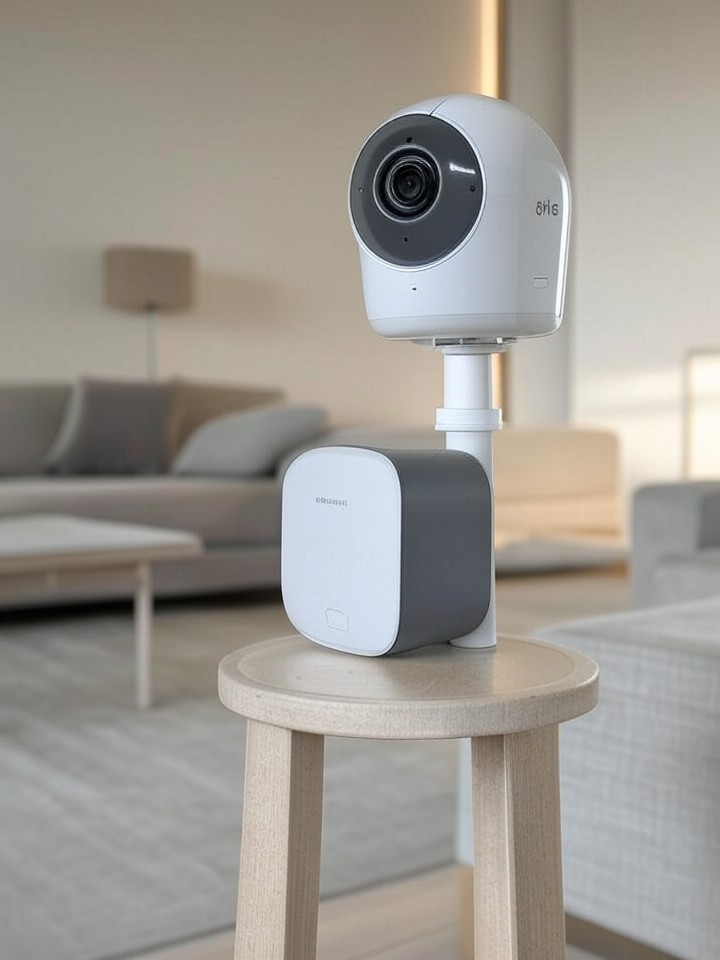
Samsung and Arlo Forge Ahead: Elevating Smart Home Defenses in a Connected World
In the rapidly evolving realm of smart home technology, Samsung’s SmartThings platform has long positioned itself as a central hub for managing connected devices. Now, with a fresh expansion of its partnership with Arlo Technologies, the platform is set to gain significant muscle in the security domain. Announced at the start of 2026, this collaboration promises to integrate Arlo’s advanced camera features directly into the SmartThings ecosystem, allowing users to monitor and respond to security events without switching apps. This move builds on previous integrations but dives deeper, leveraging Arlo’s AI-driven capabilities to enhance real-time alerts and automation.
The partnership’s timing aligns with broader industry shifts toward more seamless, interoperable smart home systems. Samsung has been steadily updating SmartThings to support standards like Matter 1.5, which improves compatibility with various devices, including security cameras. According to a report from SamMobile, this upgrade means users can access enhanced security features, such as person detection and package recognition, right within the SmartThings app. It’s a strategic play to make SmartThings not just a controller, but the “brain” of home security, as described in industry analyses.
Arlo, known for its wireless cameras and subscription-based services, brings a robust suite of tools to the table. The integration allows for faster response times to potential threats, with notifications that are richer in detail and context. For instance, if an Arlo camera detects motion, SmartThings can automatically trigger lights or sirens, creating a more proactive defense system. This isn’t just about convenience; it’s about addressing consumer demands for integrated solutions that reduce the fragmentation often seen in smart home setups.
Deepening Ties in Smart Security
Details from the official announcement highlight how Arlo’s Smart Security Platform will power new services within SmartThings. A press release via PRNewswire notes that the agreement focuses initially on the U.S. market, with plans for broader rollout. This includes AI-powered functions that distinguish between routine activities and genuine intrusions, minimizing false alarms that plague many security systems.
Industry insiders point out that this partnership extends beyond basic connectivity. It incorporates Arlo’s cloud-based analytics, which use machine learning to improve over time. For example, the system can learn household patterns, such as when family members arrive home, and adjust alerts accordingly. This level of sophistication is crucial in an era where smart homes are increasingly targeted by cyber threats, as evidenced by past vulnerabilities in similar systems.
Samsung’s push here also reflects its competition with rivals like Google Nest and Amazon Ring. By embedding Arlo’s capabilities, SmartThings aims to offer a more comprehensive security experience without requiring users to invest in entirely new hardware. Posts on X from tech enthusiasts, including those from Android Central’s accounts, express excitement about how this could streamline home monitoring, with one noting the potential for “deeper integration and faster responses.”
The Technical Underpinnings of Integration
At the core of this upgrade is the adoption of Matter 1.5, which Samsung recently rolled out for better device interoperability. This standard ensures that Arlo cameras communicate seamlessly with other SmartThings-compatible gadgets, from smart locks to thermostats. An article in Android Central describes Samsung’s vision of SmartThings as the “home’s security brain,” with Arlo providing the “muscle” through its high-resolution cameras and advanced sensors.
The integration promises features like live video feeds, event history access, and customizable automation routines all within one app. Users can set up scenarios where detecting a package delivery triggers a notification to their Samsung Galaxy device, or an unrecognized face at the door activates a lockdown mode. This is powered by Arlo’s subscription services, which include cloud storage and AI enhancements, now more tightly woven into SmartThings.
From a technical standpoint, the partnership leverages edge computing to process some data locally, reducing latency and enhancing privacy. This addresses concerns raised in older X posts about smart home vulnerabilities, such as a 2016 Wired report on flaws in Samsung’s earlier systems that allowed hackers to unlock doors. While those issues have been mitigated, the current upgrade emphasizes secure, encrypted communications to prevent such exploits.
Market Implications and Consumer Benefits
For consumers, this means a more unified smart home experience. No longer do users need to juggle multiple apps for security and automation; everything converges in SmartThings. According to insights from Investing.com, the deal enhances SmartThings’ security features, potentially boosting Arlo’s market reach through Samsung’s vast ecosystem.
Business-wise, this collaboration could drive subscription revenue for both companies. Arlo’s model relies on paid plans for premium features, and integrating these into SmartThings might encourage more users to subscribe. Samsung, meanwhile, strengthens its position in the smart home market, which is projected to grow significantly as more households adopt connected devices.
Feedback from X users, including tech reviewers, suggests high anticipation. Posts highlight how this upgrade could make SmartThings a go-to for Android users, especially with Galaxy AI integrations that add intelligent insights to security alerts. One thread discusses the potential for AI to predict security risks based on patterns, echoing Samsung’s broader AI strategy compared to competitors like Apple Intelligence.
Challenges and Future Prospects
However, integrations like this aren’t without hurdles. Compatibility issues with older Arlo devices might limit immediate benefits for some users, requiring firmware updates or hardware upgrades. Privacy remains a top concern; with more data flowing through these systems, robust safeguards are essential. Samsung and Arlo have committed to end-to-end encryption, but industry watchers will scrutinize how well this holds up in practice.
Looking ahead, this partnership could pave the way for expansions beyond security. Imagine Arlo cameras integrating with Samsung Health for wellness monitoring or with smart appliances for energy efficiency. As noted in a Nasdaq article, the focus is on boosting smart security for SmartThings users, starting in the U.S., but global ambitions are clear.
Competitive pressures will also shape the trajectory. With Google and Amazon advancing their own ecosystems, Samsung’s alliance with Arlo provides a differentiator in security prowess. X posts from 2025, such as one from a tech influencer detailing SmartThings’ updates including Matter support, indicate Samsung’s ongoing commitment to innovation.
Innovations on the Horizon
Delving deeper, the AI elements are particularly intriguing. Arlo’s platform uses computer vision to identify specific objects or activities, which SmartThings can now leverage for automated responses. For instance, if a camera spots smoke, it could alert emergency services via integrated routines. This builds on Arlo’s history of AI advancements, as seen in a 2018 X post about their cloud service distinguishing intruders from wildlife.
Samsung’s ecosystem advantages shine here, with seamless ties to its TVs, phones, and wearables. Users might view camera feeds on a Galaxy Watch or receive haptic alerts on their phone. This interconnectedness is a step toward truly intelligent homes, where security isn’t isolated but part of a holistic system.
Analysts from Simply Wall St suggest this could reshape Arlo’s services-led strategy, potentially increasing its valuation amid the partnership. Stock-related X posts from early 2026 reflect investor optimism, with mentions of Arlo’s shares reacting positively to the news.
Broader Industry Ripple Effects
The ripple effects extend to the wider smart home sector. This deal encourages other manufacturers to pursue deeper integrations, fostering a more cohesive environment for consumers. It also highlights the importance of partnerships in tackling the complexity of modern smart homes, where no single company dominates all aspects.
For industry insiders, the technical collaboration offers lessons in API design and data sharing. Samsung and Arlo’s approach to shared capabilities without compromising proprietary tech could become a model for future alliances. As per a StockTitan report, the emphasis on richer alerts and faster responses underscores a shift toward proactive security.
Consumer adoption will be key. Early adopters on X are already sharing setup tips and initial impressions, praising the ease of integration. Yet, for widespread success, education on features and benefits will be crucial, especially for non-tech-savvy users.
Strategic Visions and Long-Term Potential
Strategically, Samsung is positioning SmartThings as an indispensable platform, much like how it has with Galaxy AI. By incorporating Arlo’s strengths, it addresses a critical gap in security, potentially increasing user retention and ecosystem lock-in.
Arlo benefits from exposure to Samsung’s massive user base, which could accelerate its growth in the competitive camera market. A Sahm Capital analysis post-announcement evaluates Arlo’s valuation, noting the agreement’s potential to expand access to its AI services.
In the long term, this partnership might evolve to include emerging technologies like 5G connectivity for ultra-low latency or augmented reality overlays on camera feeds. X discussions speculate on such possibilities, with users envisioning a future where smart homes anticipate needs before they arise.
Navigating Evolving Expectations
As smart home technology matures, expectations for security continue to rise. Users demand not just detection but intelligent action, and this integration delivers on that front. However, ongoing updates will be necessary to stay ahead of threats and incorporate user feedback.
Industry events like CES 2026, where this was announced, serve as bellwethers for such advancements. SamMobile’s coverage from the event emphasizes the enhanced capabilities for Arlo cameras in SmartThings, signaling a new chapter in home protection.
Ultimately, this collaboration between Samsung and Arlo exemplifies how targeted partnerships can elevate entire ecosystems, providing users with more secure, intuitive homes. As the sector progresses, such integrations will likely become the norm, blending convenience with cutting-edge defense mechanisms.


 WebProNews is an iEntry Publication