
Samsung’s Bold Bet on Mobile Gaming: Revamping the Hub to Capture Gamer Loyalty
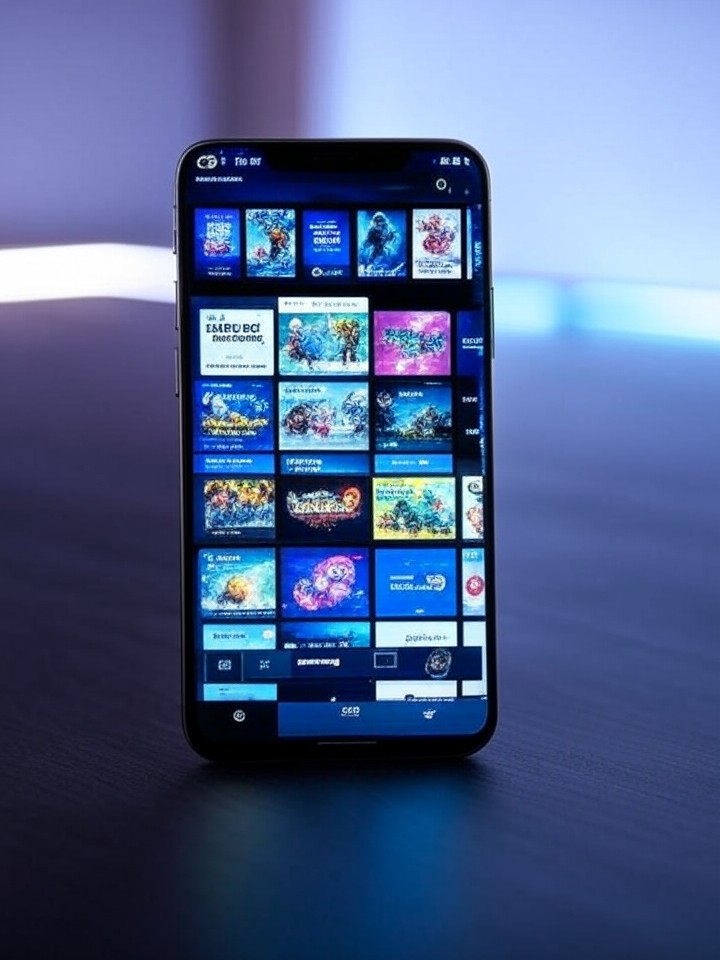
Samsung Electronics Co. has unveiled a significant refresh to its Mobile Gaming Hub, aiming to transform how users discover and engage with games on Galaxy devices. Announced just days ago, this update introduces personalized recommendations, integrated video content, and a streamlined interface that promises to make mobile gaming more intuitive and enjoyable. Drawing from insights shared in a recent Samsung press release, the hub now leverages user data to curate game suggestions tailored to individual preferences, potentially boosting discovery in a market where finding new titles can be overwhelming.
The timing of this refresh is strategic, coming ahead of anticipated flagship Android launches later this year. Industry observers note that Samsung is positioning itself against intensifying competition from platforms like the Google Play Store, which has also rolled out enhancements to its gaming sections. According to reports from Pocket Tactics, the Korean giant is fighting back by unifying access to the Galaxy Store within the hub, allowing seamless navigation between downloaded games and new recommendations without leaving the app.
This move reflects broader trends in the mobile gaming sector, where engagement metrics are crucial for retention. With an estimated 160 million monthly users, as highlighted in coverage from Sammy Fans, Samsung’s hub is no small player. The update includes embedded YouTube videos, enabling players to watch trailers or gameplay footage directly, which could reduce the friction often associated with switching between apps to research potential downloads.
Personalization Takes Center Stage in Samsung’s Strategy
At the heart of the refresh is a renewed emphasis on personalization. The hub now analyzes play history and preferences to suggest content, much like algorithms on streaming services curate movies or shows. This feature, detailed in an article from The Verge, integrates video elements to make the experience more dynamic, helping users “explore and enjoy the gaming experiences that matter most to them.”
Beyond recommendations, the interface has been cleaned up for better usability. A unified library consolidates all games from the Galaxy Store, eliminating the need to juggle multiple apps. Insights from Bleeding Cool describe this as giving the platform a “more personalized feeling with several new options,” including quick access to ongoing sessions and progress tracking across titles.
Samsung’s approach draws comparisons to established ecosystems in PC and console gaming, such as Steam or PlayStation Network, which have long mastered community-driven engagement. As noted in analysis from Engadget, mobile platforms are still evolving in this regard, and Samsung’s update represents a step toward creating a more compelling space for interaction.
Competitive Pressures and Market Positioning
The mobile gaming market is fiercely contested, with players like Apple Arcade and Google Play Pass vying for attention. Samsung’s hub refresh appears designed to differentiate Galaxy devices by offering exclusive perks, such as optimized performance features for high-end titles. Posts on X, formerly Twitter, from industry watchers echo this sentiment, praising the intent behind embedding videos to make the hub feel more vibrant and alive, though some question if it will evolve beyond a mere storefront.
In terms of user base, the 160 million monthly active users provide a solid foundation. Coverage from TechGenyz emphasizes how the update boosts game discovery through these personalized tools, potentially increasing time spent in-app and, by extension, revenue from in-game purchases or ads.
Moreover, this refresh aligns with Samsung’s broader ecosystem ambitions. By integrating the Gaming Hub more deeply with Galaxy hardware, such as the latest S-series smartphones and tablets, the company aims to leverage its hardware prowess—think high-refresh-rate screens and powerful processors—to enhance gaming experiences that competitors might struggle to match.
Innovations in User Engagement and Content Integration
One standout feature is the direct integration of video content, pulling in YouTube clips for trailers, reviews, and tips without requiring users to exit the app. This not only streamlines the discovery process but also positions the hub as a one-stop destination for gaming entertainment. Referencing the Samsung press release again, this “frictionless access” is intended to elevate how players interact with content on their devices.
The update also introduces a cleaner interface, reducing clutter and focusing on what matters: quick access to favorites and new finds. Industry insiders, as per discussions on X, suggest this could help Samsung retain users who might otherwise drift to rival platforms, especially with Google’s recent Play Store improvements challenging the status quo.
Looking deeper, Samsung’s data-driven personalization could yield valuable insights for developers. By aggregating user preferences, the hub might influence game development trends, encouraging titles that align with popular genres or mechanics identified through the platform’s analytics.
Challenges Ahead in a Crowded Field
Despite these advancements, Samsung faces hurdles. The mobile sector’s fragmentation—across devices, operating systems, and app stores—complicates uniform experiences. Critics in Engadget’s piece point out that while PC and console hubs have nailed engagement, mobile is still “figuring it out,” implying Samsung’s efforts, though promising, are part of an ongoing evolution.
User feedback from social media platforms like X indicates mixed reactions; some applaud the personalized touch, while others worry it might prioritize promoted content over genuine recommendations. Ensuring algorithmic transparency will be key to building trust.
Furthermore, as Samsung pushes this update globally, localization becomes critical. Tailoring suggestions to regional preferences, such as popular games in Asia versus Europe, could determine its success. The Verge’s coverage notes the app’s availability on smartphones and tablets, suggesting broad reach but also the need for consistent performance across varying hardware specs.
Broader Implications for the Gaming Industry
This refresh underscores Samsung’s commitment to gaming as a core pillar of its mobile strategy. With the industry projected to grow substantially—driven by advancements in cloud gaming and AR/VR integration—Samsung’s hub could serve as a gateway for emerging technologies. For instance, future updates might incorporate streaming services, building on past integrations like Xbox Cloud Gaming on other Samsung platforms.
Economically, enhancing user engagement could translate to higher app store revenues. As Bleeding Cool reports, the personalized options aim to make the platform feel more inviting, potentially increasing download rates and in-app spending.
From a competitive standpoint, this move pressures rivals to innovate. If Samsung succeeds in making its hub indispensable, it could shift user loyalty toward Galaxy ecosystems, influencing purchasing decisions in a market where hardware alone no longer suffices.
Technological Underpinnings and Future Prospects
Under the hood, the hub’s refresh likely relies on advanced machine learning models to power its recommendations. By processing vast amounts of user data—playtime, genres, and interaction patterns—Samsung can deliver hyper-targeted suggestions, a tactic mirrored in successful platforms like Netflix but adapted for gaming.
Integration with the Galaxy Store ensures a seamless ecosystem, where purchases and updates happen fluidly. TechGenyz highlights the “unified Galaxy Store access” as a key booster for discovery, potentially reducing abandonment rates during the download process.
Looking ahead, industry speculation on X suggests potential expansions, such as social features for multiplayer coordination or AR-enhanced previews. While not confirmed, these could position Samsung at the forefront of mobile gaming innovation.
Stakeholder Perspectives and Market Reactions
Developers stand to benefit from increased visibility through the hub’s algorithms. Smaller studios, often overshadowed in larger app stores, might find new audiences via personalized pushes, as implied in Pocket Tactics’ analysis of Samsung’s competitive stance.
Consumers, meanwhile, gain a more curated experience, saving time in sifting through thousands of titles. Sammy Fans’ report on the update’s user-friendly aspects reinforces this, noting how it simplifies enjoyment for Galaxy owners.
Market reactions have been positive, with shares of Samsung ticking up slightly following the announcement, signaling investor confidence in the company’s gaming push. As the sector continues to mature, this refresh could mark a pivotal moment in how mobile platforms foster community and loyalty.
Ecosystem Synergies and Long-Term Vision
Samsung’s Gaming Hub doesn’t operate in isolation; it’s part of a larger suite of services, including cloud storage and device synchronization. This interconnectedness allows for cross-device continuity, where a game started on a phone can be resumed on a tablet, enhancing flexibility.
The emphasis on video integration also opens doors for partnerships with content creators, potentially featuring exclusive clips or live streams within the app. Such collaborations could enrich the hub’s offerings, making it a hub not just for games but for gaming culture.
In the grand scheme, Samsung’s strategy reflects a vision where mobile devices rival dedicated consoles in appeal. By continuously iterating on features like these, the company aims to solidify its place in an ever-evolving arena of digital entertainment.
Navigating Regulatory and Ethical Considerations
As with any data-driven platform, privacy concerns loom. Samsung must navigate regulations like GDPR and CCPA, ensuring user data is handled transparently. The personalized system, while beneficial, requires robust safeguards against misuse.
Ethically, balancing algorithmic suggestions with diverse content promotion is crucial to avoid echo chambers where users only see similar games, potentially stifling innovation.
Ultimately, the success of this refresh will hinge on user adoption and iterative improvements based on feedback. As Samsung refines its approach, it could set new standards for mobile gaming platforms worldwide.
Reflections on Innovation in Mobile Entertainment
This update arrives at a time when mobile gaming revenue surpasses that of traditional sectors, underscoring its importance. Samsung’s investments here signal a belief in sustained growth, driven by technological advancements like 5G and AI.
By making discovery more intuitive, the hub addresses a key pain point, potentially increasing overall engagement across the Galaxy lineup.
As the year progresses, with new devices on the horizon, this refreshed hub could become a defining feature, helping Samsung stand out in a saturated market.


 WebProNews is an iEntry Publication