
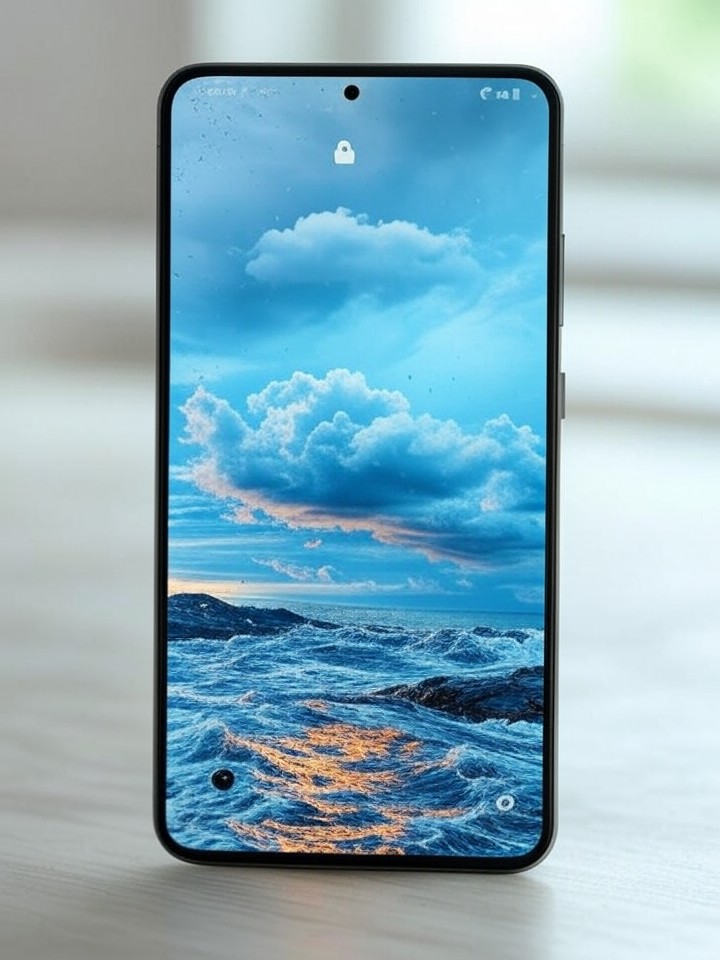
Samsung’s Atmospheric Leap: How One UI 8.5 Transforms Galaxy Lock Screens with AI Weather Magic
Samsung Electronics Co. is set to elevate the user experience on its Galaxy devices with the upcoming One UI 8.5 update, introducing a feature that overlays dynamic, AI-generated weather effects directly onto the lock screen wallpaper. This innovation, which mirrors a popular trick from Google’s Pixel lineup, promises to make the lock screen more immersive and informative without requiring users to unlock their phones. Drawing from recent reports, this addition is part of a broader push by Samsung to integrate artificial intelligence more deeply into everyday interactions, blending utility with visual appeal.
The core of this feature involves real-time weather data influencing the appearance of the lock screen background. For instance, if rain is forecasted, subtle animations like falling droplets or misty overlays could appear on the user’s chosen wallpaper. This isn’t just cosmetic; it’s designed to provide at-a-glance environmental awareness, potentially reducing the need to open weather apps. According to details shared in an article from Android Authority, the effects are generated using AI, ensuring they adapt seamlessly to various wallpaper styles, whether photographic or abstract.
Industry observers note that this move comes at a time when smartphone interfaces are increasingly focused on personalization and contextual intelligence. Samsung’s adoption of such a feature underscores its strategy to compete more aggressively with rivals like Google, which has long offered similar dynamic elements on its Pixel devices. By borrowing and potentially refining this concept, Samsung aims to enhance user engagement, making the lock screen a living canvas rather than a static barrier.
Evolution of Samsung’s User Interface
To understand the significance of this update, it’s worth tracing the evolution of Samsung’s One UI. Launched in 2018 as a successor to the TouchWiz and Samsung Experience interfaces, One UI emphasized one-handed usability and cleaner aesthetics. Each iteration has built on this foundation, with One UI 8.0 introducing Android 16-based enhancements like improved multitasking and AI-driven tools.
One UI 8.5, expected to roll out early in 2026 alongside the Galaxy S26 series, appears to be a mid-cycle refinement rather than a full overhaul. However, the lock screen weather effects stand out as a headline-grabber. Posts on X (formerly Twitter) from tech enthusiasts, such as those highlighting dynamic snowflake animations or integrated alarm backgrounds, suggest widespread excitement. These user-shared insights reveal how the feature could extend beyond mere visuals, perhaps tying into other system elements like notifications or widgets.
Comparisons to Google’s implementation are inevitable. On Pixel phones, weather effects have been a staple, using machine learning to apply overlays like fog or sunshine that react to current conditions. Samsung’s version, as described in reports from Sammy Fans, aims to “make your Galaxy’s lock screen feel alive” with AI-powered dynamics, potentially offering more customization options tailored to Samsung’s ecosystem.
Technical Underpinnings and AI Integration
Delving deeper, the technology behind these weather effects relies on Samsung’s advancements in on-device AI processing. Utilizing the capabilities of chips like the Snapdragon 8 Gen 5 or Exynos equivalents in Galaxy devices, the system can generate and render these effects efficiently without constant cloud reliance, preserving battery life and privacy.
This feature builds on existing AI tools in One UI, such as Galaxy AI for photo editing and Bixby enhancements mentioned in a comprehensive overview from El Output. By integrating weather data from sources like AccuWeather or Samsung’s own services, the lock screen can display effects that are not only visually striking but also accurate. For example, a sunny day might brighten the wallpaper with warm glows, while stormy conditions could add dramatic lightning flashes.
Privacy considerations are paramount here. Unlike some cloud-heavy implementations, Samsung’s approach likely processes much of the AI locally, aligning with growing industry emphasis on data security. This is particularly relevant for enterprise users, who form a significant portion of Samsung’s market, as it minimizes exposure of location-based weather queries.
Market Implications and User Feedback
The introduction of AI weather effects could have ripple effects across the mobile sector. For Samsung, it’s a way to differentiate its devices in a crowded market where hardware specs are increasingly commoditized. By focusing on software delights, the company reinforces its commitment to long-term support, with promises of up to seven years of updates for flagship models.
User sentiment, gleaned from recent posts on X, indicates a positive reception. Enthusiasts have praised the “frosted glass” notification backgrounds and adaptive clock integrations that complement the weather features, suggesting a cohesive design language. One post even demonstrated how over-scrolling on the lock screen now fills with wallpaper-matching shades, enhancing the immersive feel.
However, not all feedback is unanimously glowing. Some beta testers, as noted in discussions on platforms like Sammy Fans, have pointed out initial bugs, such as incomplete seasonal edits where only partial effects like snowflakes appear instead of full winter transformations. This highlights the challenges of rolling out AI features in beta stages, with Samsung reportedly preparing a fourth beta update to address such issues, per Sammy Fans’ beta coverage.
Competitive Dynamics in Mobile Software
Looking broader, this feature positions Samsung in direct competition with not just Google but also Apple, whose iOS has experimented with dynamic wallpapers. Yet, Samsung’s integration of AI weather effects could set a new standard, especially if it expands to include haptic feedback or audio cues tied to weather changes, though current reports don’t confirm such additions.
Industry insiders speculate that this is part of Samsung’s larger AI strategy, which includes enhancements to battery management and camera capabilities in One UI 8.5. A roadmap update from Sammy Fans outlines the rollout timeline, emphasizing eligibility for devices like the Galaxy S25 series and beyond.
Moreover, the feature’s potential for monetization or partnerships shouldn’t be overlooked. Samsung could collaborate with weather services for premium effects or integrate it with smart home ecosystems, allowing lock screen visuals to reflect broader environmental data from connected devices.
Potential Challenges and Future Directions
Despite the promise, challenges remain. Ensuring the effects don’t drain battery excessively is crucial, especially on older devices that might receive the update. Samsung has addressed similar concerns in past updates, and the latest beta 3 for Galaxy S25 includes fixes for battery drain, as reported by Android Central.
Accessibility is another key area. For users with visual impairments, these dynamic elements must be optional and not interfere with screen readers or high-contrast modes. Samsung’s track record with inclusive design suggests this will be handled thoughtfully, but beta feedback will be instrumental.
Looking ahead, One UI 8.5’s weather effects could evolve into more interactive experiences. Imagine wallpapers that change not just with weather but with time of day or user mood, detected via AI. Posts on X from leakers like Ice Universe have hinted at such possibilities, fueling speculation about Samsung’s roadmap.
Beyond the Lock Screen: Ecosystem Integration
The lock screen weather feature doesn’t exist in isolation. It ties into Samsung’s broader ecosystem, potentially syncing with Wear OS devices like the Galaxy Watch for consistent visuals across products. This holistic approach strengthens brand loyalty, encouraging users to stay within the Samsung fold.
For developers, this opens avenues for third-party integrations. Apps could leverage the AI framework to create custom effects, expanding the feature’s utility. Sammy Fans has covered how One UI 8.5 enhances Bixby with AI, which could voice-activate weather overlays or provide verbal summaries.
In terms of global rollout, Samsung’s software updates are typically staggered by region, with carrier variants adding complexity. The January 2026 security patch included in recent betas ensures that security remains a priority alongside these aesthetic upgrades.
Industry-Wide Ripple Effects
This development signals a shift toward more ambient computing in smartphones, where interfaces anticipate user needs. Competitors may follow suit, accelerating innovation in AI-driven personalization. For Samsung, success here could boost adoption rates of its Galaxy AI suite, driving sales.
Critics argue that such features, while novel, might distract from core improvements like performance optimization. Yet, in a market where differentiation is key, these enhancements can tip the scales for consumers weighing options.
Ultimately, One UI 8.5’s lock screen weather effects represent Samsung’s bet on blending form and function through AI. As the update nears, industry watchers will be keen to see how it performs in real-world scenarios, potentially redefining what users expect from their device’s first point of interaction.
Refining the User Experience Horizon
Beta programs have been pivotal in shaping this feature. With the fourth beta on the horizon, Samsung is iterating based on user input, addressing lags in gallery apps and other hiccups noted in Android Central’s coverage.
The feature’s roots can be traced back to earlier One UI versions, where weather widgets were prominent but static. This evolution to dynamic, AI-infused effects marks a maturation of Samsung’s design philosophy.
For enterprise adoption, where Galaxy devices are popular, these non-intrusive updates could improve productivity by providing quick environmental insights without disrupting workflows.
Strategic Positioning in a Tech-Driven World
Samsung’s timing aligns with broader tech trends, including the rise of generative AI. By incorporating such elements into the lock screen, the company positions itself as a leader in intuitive interfaces.
User-generated content on X showcases creative uses, like pairing weather effects with adaptive clocks for stunning visuals, as seen in various enthusiast posts.
As One UI 8.5 approaches stable release, its weather feature could become a benchmark, influencing future Android developments and beyond.


 WebProNews is an iEntry Publication