
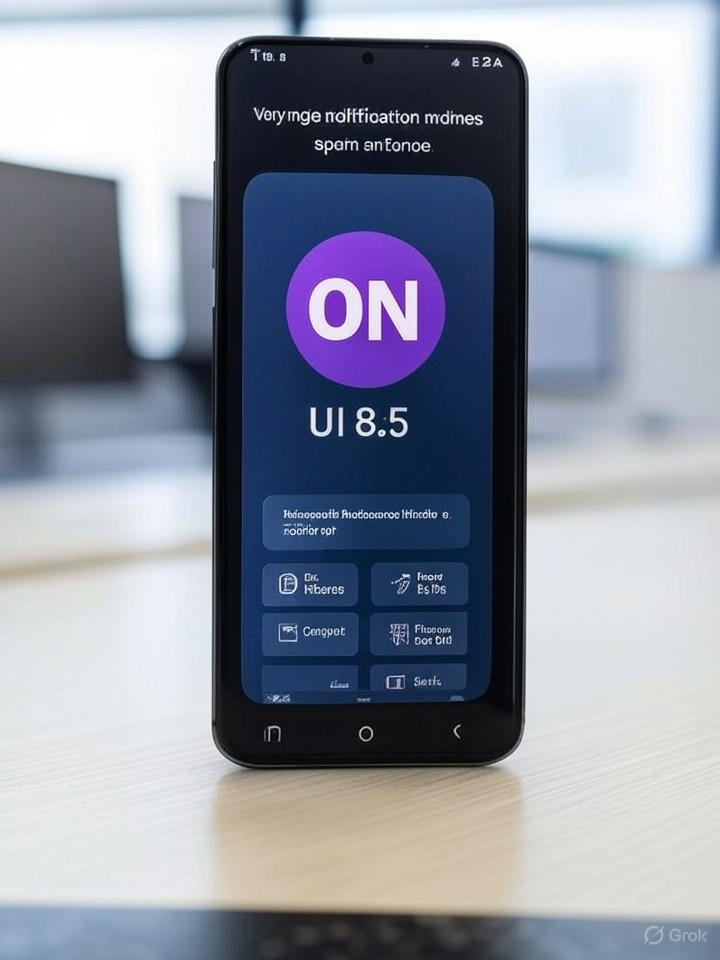
In the ever-evolving realm of smartphone software, Samsung is poised to address one of the most persistent user frustrations: the barrage of unwanted notifications. Recent leaks suggest that the company’s forthcoming One UI 8.5 update, built on Android 16, will introduce a sophisticated tool to curb excessive ad spam from apps. This development comes at a time when consumers are increasingly vocal about digital clutter, and it could mark a significant step forward in enhancing user experience on Galaxy devices.
The feature, reportedly discovered in a leaked build, allows the system to automatically detect and silence apps that bombard users with promotional notifications. According to details shared in an article from Android Authority, this mechanism places offending apps into a “deep sleep” mode, effectively preventing them from pushing notifications without user intervention. It’s a proactive approach that analyzes notification patterns on-device, ensuring privacy while tackling spam at its source.
Samsung’s move isn’t isolated; it reflects broader industry efforts to manage notification fatigue. Users have long complained about apps exploiting notification privileges to deliver ads disguised as updates or alerts. With One UI 8.5 expected to debut alongside the Galaxy S26 series in early 2026, this update could set a new standard for how operating systems handle such intrusions.
Emerging Details from Leaked Builds
Tipsters and early testers have provided glimpses into how this anti-spam feature operates. Posts on X, formerly Twitter, indicate that the system categorizes notifications based on frequency and content, flagging those deemed excessive. For instance, one user highlighted a leaked firmware version where apps with “excessive ad” behavior are automatically muted, aligning with reports from tech communities.
This isn’t Samsung’s first foray into notification management, but One UI 8.5 appears to build on previous iterations with more intelligent automation. In contrast to manual toggles in earlier versions like One UI 8, the new system uses on-device AI to evaluate and act, reducing the need for users to dive into settings menus. This could particularly benefit power users who juggle multiple apps daily.
Industry insiders note that Samsung’s strategy draws inspiration from competitors. Features similar to Google’s Pixel series, which prioritize calls and alerts, seem to influence this update. As detailed in a piece from Gadgets 360, the update includes options for “Basic” or “Intelligent” blocking modes, allowing customization based on user preferences.
User Feedback and Community Reactions
Across social platforms, Galaxy owners are expressing optimism mixed with skepticism. Recent posts on X reveal frustrations with current notification systems, where even legitimate apps can overwhelm with promotions. One common sentiment is relief at the prospect of fewer distractions, especially for those in professional settings where constant pings disrupt focus.
However, not all feedback is glowing. Some users report lingering issues from the One UI 8 rollout, such as inconsistent alarm displays and missing charging sounds, as discussed in forums like the Samsung Community. These glitches underscore the challenges of software updates, where new features sometimes introduce unintended bugs.
In response, Samsung has been iterative in its beta testing. Leaks suggest that One UI 8.5 betas are already addressing these pain points, incorporating user input to refine the notification blocker. This community-driven approach could help Samsung avoid the pitfalls seen in past updates, fostering greater loyalty among its user base.
Technical Underpinnings of the Anti-Spam Tool
Delving deeper, the anti-spam feature operates within Samsung’s Device Care suite, a hub for optimization tools. It reportedly scans app behavior in real-time, using algorithms to distinguish between essential notifications and spam. This on-device processing ensures data privacy, a key concern in an era of heightened scrutiny over tech giants’ data practices.
Comparisons to Apple’s iOS notification summaries highlight Samsung’s competitive edge. While Apple’s system condenses alerts, Samsung’s goes further by preemptively silencing sources of excess. As noted in coverage from Android Police, effective notification management is crucial for productivity, transforming how users interact with their devices.
Moreover, the update ties into broader Android 16 enhancements, including improved battery optimization. By putting spam-heavy apps to sleep, One UI 8.5 could extend device longevity, appealing to environmentally conscious consumers who prioritize efficiency.
Potential Limitations and Workarounds
Despite its promise, the feature may have constraints. Leaked builds indicate that notification summaries in One UI 8.5 could be limited to certain apps or languages, potentially frustrating international users. Discussions on Reddit’s Android community echo this, with users debating the balance between automation and control.
Samsung might mitigate these by offering granular settings, allowing users to whitelist apps or adjust sensitivity levels. This flexibility is essential, as overzealous blocking could suppress important alerts, like banking notifications or health reminders.
Looking ahead, integrations with Galaxy AI could enhance accuracy. Early reports suggest AI-driven prioritization, where the system learns from user habits to refine its decisions, evolving beyond static rules.
Broader Implications for App Developers
For app developers, this update signals a shift in ecosystem dynamics. Apps reliant on notification-based marketing may need to adapt, focusing on value-driven engagement rather than volume. This could lead to cleaner app designs, benefiting the overall user experience.
Industry analysts predict ripple effects across Android. If successful, Samsung’s tool might inspire similar features in stock Android or other skins like Google’s Material You. As explored in insights from StartupNews.fyi, ethical standards in app development are under the spotlight, with potential conflicts if investors back spam-prone apps.
Samsung’s transparency in addressing these issues will be key. By crediting user feedback in update notes, the company can build trust, positioning One UI as a leader in user-centric design.
Rollout Timeline and Device Compatibility
Anticipation builds as One UI 8.5 nears release. Expected to launch with the Galaxy S26 lineup in February 2026, betas may roll out sooner for select devices like the S25 series. This staggered approach allows Samsung to iron out kinks based on real-world testing.
Compatibility extends to older models, though features like advanced spam blocking might be optimized for newer hardware. Users of devices like the Galaxy S23 or Tab S9 should check for updates via Samsung’s firmware channels.
Global variations could influence availability, with regions like Europe potentially seeing stricter privacy integrations due to regulations. This phased rollout ensures stability, minimizing disruptions for millions of users.
User Strategies in the Interim
While awaiting One UI 8.5, Galaxy owners can employ existing tools to manage notifications. Manual deep sleep settings in Device Care offer a temporary fix, though less automated than the upcoming feature.
Third-party apps, such as notification managers, provide alternatives, but they often require permissions that raise security concerns. Samsung’s native solution promises a seamless integration, reducing reliance on external software.
Educating users on best practices, like reviewing app permissions during installation, can further alleviate spam. This proactive stance empowers individuals, complementing Samsung’s efforts.
Evolving Standards in Mobile Software
As One UI 8.5 evolves, it underscores a maturing approach to software design, where user well-being takes precedence. By tackling notification overload, Samsung addresses a core aspect of digital life, potentially influencing how we perceive connectivity.
Collaborations with app stores could amplify impact, enforcing guidelines against excessive notifications. This ecosystem-wide effort might redefine standards, making spam a relic of the past.
Ultimately, the success of this feature will hinge on execution. If it delivers on its promise, One UI 8.5 could redefine user satisfaction, setting a benchmark for intuitive mobile interfaces.
Insights from Beta Testers and Leaks
Beta participants have shared nuanced views, praising the feature’s subtlety in silencing ads without overreach. One leak from a tipster on X described how the system notifies users of blocked apps, allowing overrides for transparency.
Comparisons to prior updates reveal incremental improvements. For example, One UI 8 introduced basic prioritization, but 8.5 refines it with AI, as per details in Samsung Community threads.
These insights highlight Samsung’s commitment to iteration, ensuring each version builds on the last for a more polished experience.
Market Response and Competitor Moves
Market reactions are positive, with stock analysts viewing this as a value-add for Samsung’s premium lineup. In a crowded field, features like spam blocking differentiate Galaxy devices from rivals like Apple’s iPhone or Google’s Pixel.
Competitors are responding; recent Android updates hint at similar tools, fostering innovation. This competitive drive benefits consumers, pushing for better software across the board.
Samsung’s focus on user pain points could strengthen its position, especially in emerging markets where app spam is rampant due to ad-driven economies.
Future Prospects and Enhancements
Looking beyond 8.5, Samsung might expand this feature to wearables and tablets, creating a unified ecosystem. Integration with smart home devices could further streamline notifications.
Ongoing leaks suggest additional tweaks, like customizable themes for notification panels, enhancing personalization.
As technology advances, features like this pave the way for more intelligent devices, where software anticipates needs rather than reacting to them.


 WebProNews is an iEntry Publication