
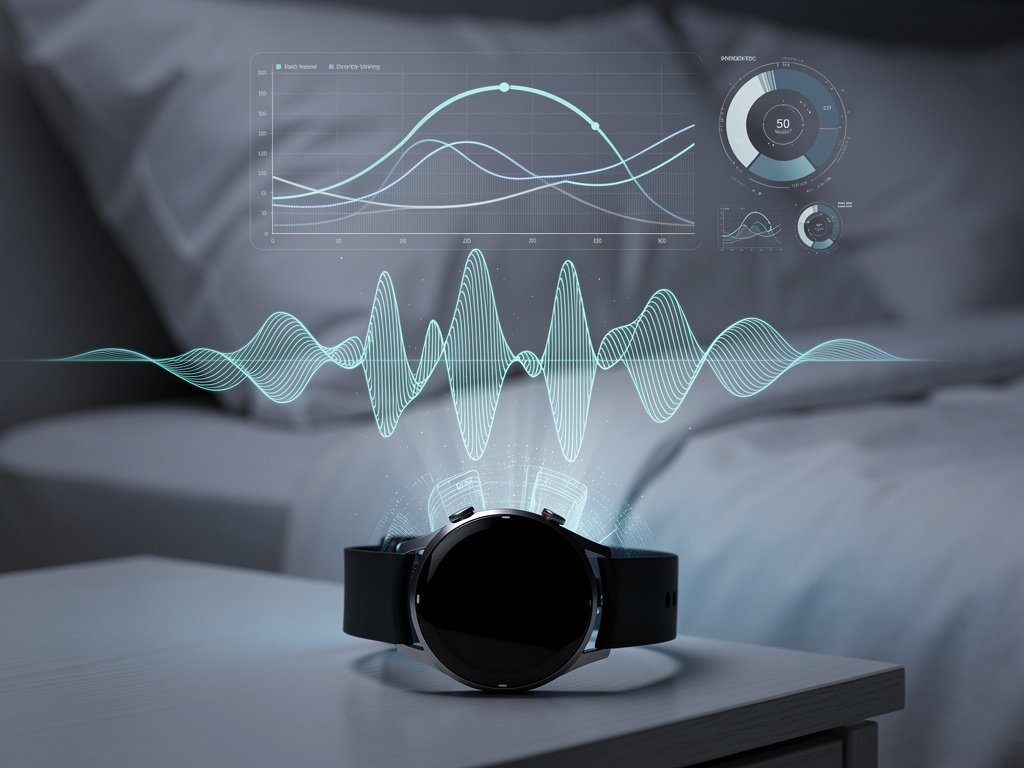
Samsung’s Whispered Wake-Up Call: Revolutionizing Sleep Health Through Smarter Snore Tracking
Samsung has long positioned itself as a leader in wearable technology, blending hardware innovation with software refinements to enhance user wellness. The latest update to its Samsung Health app, version 6.31, marks a subtle yet significant advancement in sleep monitoring, specifically targeting snoring detection. This isn’t just a minor tweak; it’s a recalibration of how the app interprets nocturnal sounds, aiming for greater accuracy in distinguishing true snoring from environmental noise. For users of Galaxy Watches from the Watch 4 series onward, this upgrade promises more reliable insights into sleep quality, potentially influencing everything from personal health routines to broader medical diagnostics.
At the core of this update is an enhanced algorithm that powers the snoring detection feature. Previously, the system relied on the smartwatch’s microphone to capture audio during sleep, but it sometimes struggled with false positives triggered by background disturbances like traffic or household sounds. Now, with the new version, Samsung claims the algorithm has been “upgraded” to better filter out these interferences, providing a clearer picture of actual snoring events. This improvement is particularly relevant for those who share sleeping spaces, where ambient noise can skew data.
The rollout of this update comes at a time when sleep health is gaining prominence in the consumer tech sector. With more people turning to wearables for comprehensive health tracking, features like snoring detection are evolving from novelties to essential tools. Samsung’s move aligns with a growing emphasis on preventive health, where early identification of sleep issues like snoring could flag potential conditions such as sleep apnea.
Evolution of Sleep Tracking in Wearables
Samsung’s journey into sleep monitoring began with earlier Galaxy Watch models, but snoring detection became a standout feature starting with the Galaxy Watch 4 in 2021. According to a support page on Samsung’s official website, the feature integrates with sleep scoring, stages analysis, and even blood oxygen monitoring to offer a holistic view of rest. Users activate it through the Samsung Health app on their connected smartphone, ensuring the phone is nearby to record audio while the watch tracks other metrics.
Community discussions, such as those on the Samsung Community forums, highlight user experiences and occasional glitches, like the feature turning off unexpectedly or requiring manual activation. These insights reveal that while the technology is promising, real-world application often demands user vigilance, such as maintaining proximity between devices or adhering to sleep schedules.
Recent posts on X (formerly Twitter) from users and tech enthusiasts underscore the excitement around these updates. For instance, tipsters have shared that the v6.31 release focuses exclusively on refining this one aspect, signaling Samsung’s targeted approach to iterative improvements rather than sweeping overhauls.
Technical Underpinnings and Algorithmic Enhancements
Diving deeper into the technology, the upgraded algorithm likely employs advanced machine learning models trained on vast datasets of audio samples. This allows it to differentiate snoring patterns—characterized by rhythmic, low-frequency vibrations—from irregular noises like a creaking door or distant thunder. Sources from SamMobile report that Samsung is updating the app specifically for Galaxy smartphones, emphasizing precision in data interpretation.
However, this precision comes with trade-offs. As noted in coverage by Android Police, the update may require users to recalibrate their devices or accept changes in how data is processed, potentially affecting battery life or requiring more processing power. For industry insiders, this raises questions about the balance between accuracy and user convenience in wearable tech.
Comparisons with competitors like Apple’s Watch or Fitbit’s devices reveal Samsung’s edge in integrating snoring detection without additional hardware. While Apple focuses on irregular rhythm notifications for heart health, Samsung’s audio-based approach extends to respiratory patterns, offering a more auditory dimension to sleep analysis.
Implications for User Health and Privacy
The health implications of improved snoring detection are profound. Snoring is often a precursor to obstructive sleep apnea, a condition affecting millions and linked to cardiovascular risks. By providing more accurate tracking, Samsung Health empowers users to seek medical advice sooner, potentially integrating with features like sleep coaching programs that offer personalized tips based on detected patterns.
Privacy concerns, however, loom large. Recording audio during sleep necessitates robust data protection measures. Samsung assures users that recordings are processed locally or with user consent, but industry watchers remain cautious about potential vulnerabilities in data transmission to the cloud for analysis.
From a market perspective, this update bolsters Samsung’s ecosystem, encouraging loyalty among Galaxy users who invest in watches, rings, and phones. It’s part of a broader strategy to dominate the wellness tech space, where features like these differentiate products in a crowded field.
Broader Industry Trends and Future Directions
Looking at the wider arena of health tech, Samsung’s focus on snoring aligns with emerging trends in AI-driven diagnostics. Collaborations, such as the one with Stanford Medicine announced earlier this year on X by tech accounts, explore advancements in sleep apnea detection, which received FDA authorization. This positions Samsung at the forefront of validated health features.
News from Sammy Fans details how v6.31 enhances user feedback, with more granular reports on snoring duration and intensity. This data can feed into personalized health plans, perhaps integrating with upcoming features like the rumored “Brain Health” monitoring set for CES 2026, as reported by various outlets including ZDNET.
For developers and insiders, the algorithmic upgrade opens doors to third-party integrations. Imagine apps that correlate snoring data with environmental factors like humidity or allergens, creating a more comprehensive sleep ecosystem.
Challenges and User Adoption
Despite the advancements, challenges persist. User forums, including Reddit threads on r/GalaxyWatch, discuss limitations like the need for a nearby phone, which can be inconvenient for some. The update addresses accuracy but doesn’t eliminate the requirement for device synergy, prompting questions about standalone watch capabilities in future iterations.
Adoption rates may vary by demographics. Younger users might view it as a fun gadget, while older adults could leverage it for serious health monitoring. Samsung’s marketing, evident in historical X posts from @SamsungMobile dating back to 2021, emphasizes accessibility, promoting snoring detection as a tool for “better nights leading to better days.”
Critics argue that while the feature is innovative, it shouldn’t replace professional medical advice. Samsung echoes this in its documentation, advising users to consult doctors for persistent issues.
Competitive Edges and Market Impact
In the competitive realm, Samsung’s snoring detection stands out against rivals. Google’s Fitbit, for example, offers sleep profiles but lacks integrated audio snoring capture without additional apps. This gives Samsung an advantage in seamless, all-in-one tracking.
Market analysts predict that such refinements could boost wearable sales, especially as health consciousness rises post-pandemic. With the Galaxy Watch series already popular, this update reinforces Samsung’s commitment to software longevity, ensuring older devices like the Watch 4 remain relevant.
Looking ahead, integrations with smart home devices could automate responses to snoring, like adjusting room temperature or playing white noise, expanding the feature’s utility beyond mere detection.
Expert Perspectives and Real-World Applications
Industry experts, as cited in posts on X from accounts like @TheGalox_, highlight Samsung’s ongoing collaborations to refine these features. The FDA’s De Novo authorization for sleep apnea detection underscores the medical credibility Samsung is building.
In real-world applications, users report using the data to make lifestyle changes, such as weight management or positional therapy to reduce snoring. This user-generated feedback loop informs Samsung’s updates, creating a virtuous cycle of improvement.
For healthcare professionals, the data could serve as preliminary screening tools, though standardization remains a hurdle. Partnerships with institutions like Stanford could bridge this gap, leading to clinically validated algorithms.
Strategic Positioning in Wellness Tech
Strategically, this update is a piece of Samsung’s larger puzzle in wellness technology. By focusing on niche improvements like snoring detection, the company avoids feature bloat while delivering tangible value. It’s a calculated move in an era where consumers demand evidence-based enhancements.
The timing, just before CES 2026, suggests more announcements on the horizon, possibly tying snoring data into cognitive health monitoring. Reports from Gadgets 360 speculate on how voice patterns and sleep data might detect early dementia signs.
Ultimately, Samsung’s approach exemplifies how incremental software updates can sustain hardware relevance, fostering long-term user engagement in the evolving domain of personal health technology.
Innovations on the Horizon
As we peer into future possibilities, Samsung’s snoring detection could evolve to include predictive analytics, forecasting snoring episodes based on daily activity or diet. This would elevate it from reactive tracking to proactive intervention.
Community-driven innovations, inspired by forums and social media, might influence features like customizable noise thresholds or integration with telehealth services.
In the grand scheme, this update underscores Samsung’s dedication to refining the minutiae of health tracking, ensuring that even the quietest aspects of our nights contribute to louder calls for better well-being. With each algorithmic tweak, the company inches closer to a future where technology doesn’t just monitor sleep but actively enhances it, benefiting users and the industry alike.


 WebProNews is an iEntry Publication