
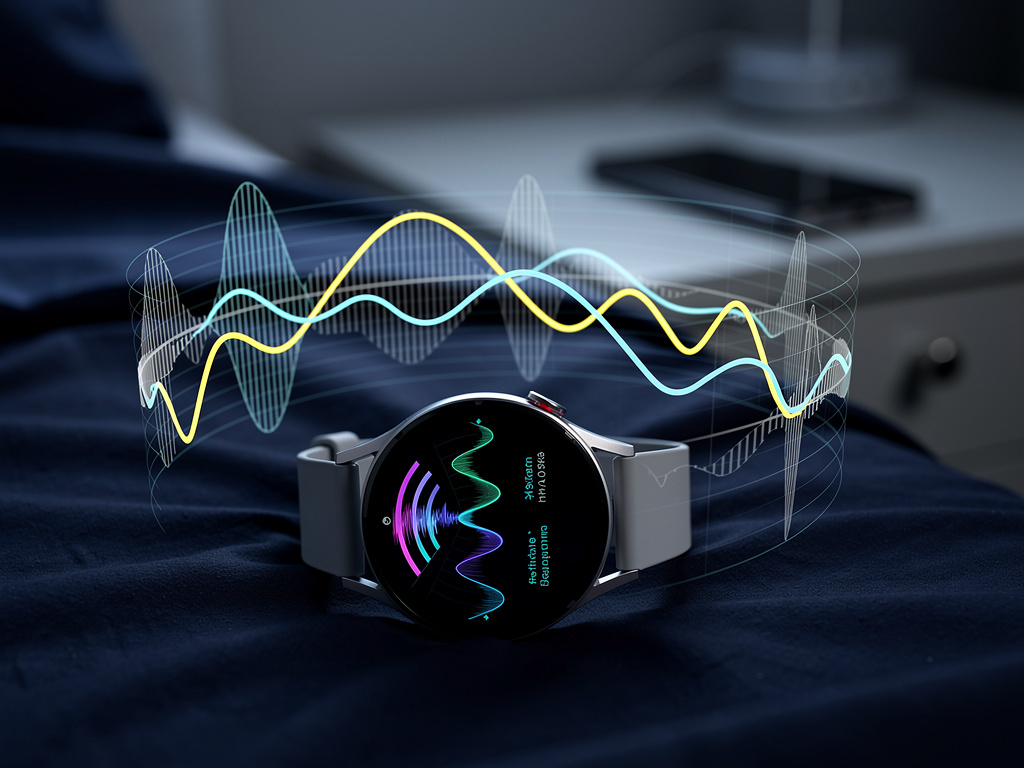
Samsung’s Whispered Wake-Up: Revolutionizing Sleep Tracking Through Smarter Snore Detection
Samsung has long positioned its Galaxy Watch lineup as a cornerstone of personal health monitoring, but a recent update to the Samsung Health app marks a subtle yet significant advancement in how these devices handle one of the most common sleep disturbances: snoring. The version 6.31 update, rolled out in late December 2025, introduces an enhanced algorithm designed to detect snoring with greater precision, filtering out ambient noises that previously muddled readings. This isn’t just a minor tweak; it’s a step toward more reliable insights into sleep quality, potentially aiding in the early identification of conditions like sleep apnea.
At the heart of this update is an improved audio-processing system that leverages the Galaxy Watch’s built-in microphone to differentiate between genuine snoring and environmental sounds, such as a fan whirring or distant traffic. Users of models starting from the Galaxy Watch 4 can now expect more accurate sleep reports, which could encourage proactive health measures. According to details shared in a Digital Trends report, the update aims to provide “smarter snoring detection,” emphasizing Samsung’s commitment to refining wearable technology without requiring new hardware purchases.
This development builds on Samsung’s history of integrating sleep tracking into its wearables. Snoring detection first appeared in the Galaxy Watch 4 series back in 2021, as highlighted in various posts on X from that era, where users and tech enthusiasts noted its novelty. Over the years, Samsung has iterated on this feature, incorporating it into subsequent models like the Watch 5 and beyond, often tying it to broader sleep stage analysis.
Enhancing Accuracy Amid Trade-Offs
The new algorithm’s sophistication comes from advanced noise-filtering techniques, which Samsung claims will reduce false positives that plagued earlier versions. For instance, if a user sleeps with a partner or pet, the watch might previously have misinterpreted those sounds as snoring. Now, the system is tuned to isolate the wearer’s audio patterns more effectively, leading to data that’s not only more precise but also more actionable for health consultations.
However, this precision isn’t without compromises. As noted in a Yahoo Tech article, the update involves some sacrifices, such as potentially reduced compatibility with certain older recording modes or the need for users to recalibrate their devices post-update. This trade-off underscores a broader challenge in wearable tech: balancing innovation with user convenience. Industry insiders suggest that Samsung’s approach here reflects a data-driven strategy, where machine learning models trained on vast audio datasets help refine detection without overhauling the hardware.
Comparisons with competitors like Apple Watch or Fitbit reveal Samsung’s edge in this niche. While Apple’s devices offer robust sleep tracking, they lack built-in snoring detection, relying instead on third-party apps. Fitbit has similar features, but Samsung’s integration with its Health app provides a seamless ecosystem for Galaxy users, potentially boosting retention in a competitive market.
Health Implications and User Wellness
Beyond technical upgrades, the snoring detection enhancement carries profound health implications. Snoring is often a symptom of obstructive sleep apnea, a condition affecting millions worldwide and linked to risks like hypertension and cardiovascular disease. By improving detection accuracy, Samsung empowers users to seek medical advice earlier, possibly through integrated alerts that prompt consultations if patterns suggest abnormalities.
A WebProNews piece emphasizes how this update targets better identification of such issues, promoting preventive health without additional gadgets. This aligns with a growing trend in consumer electronics, where wearables evolve from fitness trackers to quasi-medical devices. Regulatory bodies, including the FDA, have approved similar features in Samsung’s ecosystem, such as sleep apnea detection announced in 2024, as referenced in X posts from tech influencers like Rowan Cheung.
For industry professionals, this update signals Samsung’s investment in AI-driven health analytics. The algorithm likely employs neural networks to analyze sound frequencies, distinguishing human snoring—typically between 50 to 100 decibels with irregular patterns—from steady background noise. This level of detail could set a benchmark for future wearables, pushing rivals to accelerate their own innovations.
Market Dynamics and Adoption Challenges
The rollout of Samsung Health 6.31 has sparked discussions on X, with users expressing excitement over the improved feature. Posts from accounts like Pure Tech News and Digital Trends echo the sentiment that this update enhances the Galaxy Watch’s value proposition, particularly for those prioritizing sleep health. Yet, adoption isn’t universal; some users report needing to update both their watch firmware and smartphone app to access the full benefits, which could deter less tech-savvy individuals.
From a business perspective, this move strengthens Samsung’s position in the wearable market, projected to grow significantly by 2030. By focusing on software updates rather than hardware refreshes, Samsung extends the lifecycle of existing devices, a strategy that resonates with cost-conscious consumers amid economic uncertainties. Analysts point to this as a clever differentiation tactic, especially as competitors like Google with its Pixel Watch series emphasize similar health metrics.
Moreover, the update’s emphasis on privacy is noteworthy. Snoring detection requires the watch to record audio snippets, raising data security concerns. Samsung assures users that recordings are processed locally and not stored long-term, aligning with global privacy standards. This careful handling could mitigate backlash, unlike past controversies in the sector where data mishandling eroded trust.
Historical Context and Evolutionary Path
Tracing back, Samsung’s journey with sleep tracking began earnestly with the Galaxy Watch 4, where snoring detection was marketed as a key selling point. Early X posts from Samsung Mobile in 2021 touted it as a way to “know how long you’re sleeping. Or snoring,” blending humor with functionality to appeal to a broad audience. Subsequent iterations, like in the Watch 5, expanded this to include sleep coaching, detecting stages from light to REM.
The 6.31 update, as detailed in a SamMobile report, refines this foundation by addressing user feedback on accuracy. It’s not revolutionary but evolutionary, building on years of data collection from millions of users to train better models. This iterative process exemplifies how tech giants like Samsung leverage user data ethically to enhance products.
Looking at broader industry shifts, this update coincides with increased focus on holistic wellness post-pandemic. Wearables now monitor not just physical activity but mental and restorative health, with snoring as a gateway to deeper insights. Partnerships with health organizations could further validate these features, potentially integrating them into telemedicine platforms.
Potential Drawbacks and User Experiences
Despite the positives, not all feedback is glowing. Some users on X, including those sharing via SammyGuru, note that while accuracy improves, the feature still requires a nearby smartphone for optimal performance, as the watch pairs with it for audio recording. This dependency might limit its appeal for standalone use, a point raised in discussions about wearable independence.
Additionally, the algorithm’s enhancements might overcorrect in quiet environments, potentially underreporting mild snoring. A Sammy Fans article highlights that the update brings “smarter” detection, but real-world testing will determine its efficacy across diverse sleeping conditions. Industry experts recommend users combine this data with professional sleep studies for comprehensive assessments.
For developers and app creators, this opens avenues for third-party integrations. Samsung’s open ecosystem allows apps to tap into Health data, fostering innovations like personalized sleep therapy programs. This could spur a wave of startups focusing on AI-enhanced wellness, expanding the utility of Galaxy Watches beyond core features.
Future Horizons in Wearable Health
As Samsung continues to refine its health suite, the snoring update previews what’s next. Rumors, fueled by X chatter, suggest upcoming models might incorporate advanced biometrics, like non-invasive glucose monitoring, building on current capabilities. The 6.31 version sets the stage by proving software can dramatically improve hardware-agnostic features.
In a Mix Vale overview, it’s noted that this update transforms sleep monitoring with AI, targeting users from the Watch 4 series onward. Such advancements could influence regulatory landscapes, encouraging standards for wearable health claims.
Ultimately, Samsung’s strategy here is about ecosystem loyalty. By delivering meaningful updates, it encourages users to stay within the Galaxy fold, from watches to phones. This interconnected approach not only boosts sales but also amasses valuable health data aggregates, anonymized for research, potentially contributing to public health initiatives.
Industry-Wide Ripples and Strategic Insights
The ripple effects extend to competitors and suppliers. Chipmakers providing audio processors might see increased demand for low-power, high-fidelity components suited for wearables. Meanwhile, health app developers could benchmark against Samsung’s standards, elevating the overall quality of sleep tracking tools.
From an investment standpoint, this update underscores Samsung’s resilience in consumer electronics. Amidst global supply chain challenges, focusing on software mitigates hardware dependencies, a lesson for peers like Huawei or Garmin. Industry forums buzz with speculation that similar updates could soon address other metrics, like stress or hydration, further blurring lines between consumer gadgets and medical devices.
User testimonials, scattered across X, paint a picture of tangible benefits. One post from 2021 humorously noted proving snoring habits to a spouse, evolving now to serious health discussions. This human element reminds us that behind the algorithms are real lives improved by better rest.
Ecosystem Integration and Long-Term Vision
Integrating snoring data with other Health app features, like activity tracking or heart rate monitoring, creates a comprehensive wellness profile. Users might receive tailored advice, such as adjusting sleep positions to reduce snoring, enhancing overall life quality.
A SammyGuru report confirms the rollout focuses on accuracy, a priority echoed in Samsung’s release notes. This precision could extend to collaborative efforts with sleep research institutions, validating the tech through clinical trials.
In the grand scheme, Samsung’s update is a microcosm of wearable evolution, from gimmicky add-ons to essential health companions. As adoption grows, expect more personalized, AI-fueled insights, reshaping how we approach nightly rest and daily vitality.


 WebProNews is an iEntry Publication