
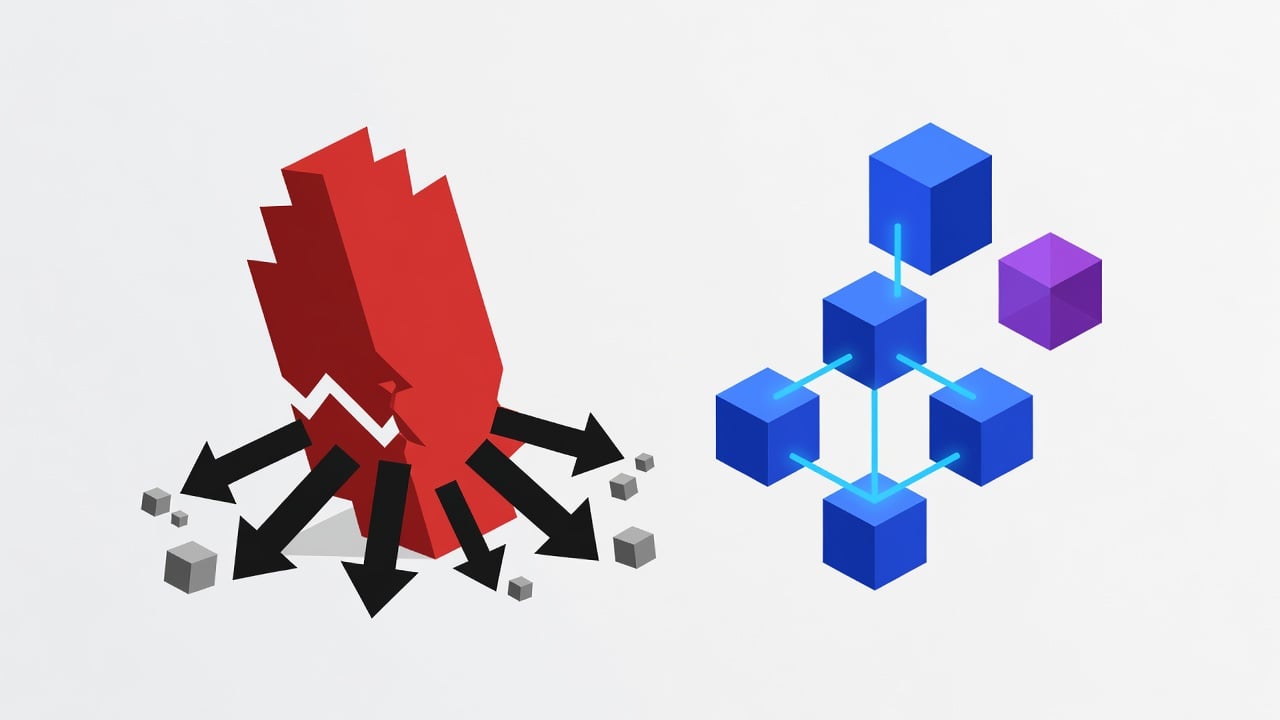
Samsung found itself in a storm this week. Users opened the Samsung Health app and saw a new toggle. It asked for consent to use their health data for AI training and modeling. Decline it, the warning said, and synced data would vanish.
The message was blunt. “You will not be able to sync health data with your Samsung account and your health data will be deleted unless retained pursuant to applicable law,” it read, according to a report from Neowin. Sleep logs. Medication histories. Medical records. Cycle tracking details. All of it hung in the balance. Or so it seemed.
Outrage spread fast. Posts on X called it coercion. One user wrote that it felt illegal. Another predicted people would start exporting data the day they install the app. The backlash hit hard because health information sits at the core of personal privacy. Few topics stir stronger reactions.
But then Samsung clarified. The initial notice had misled everyone. Data collected for AI training lives separately from the records that power day-to-day Samsung Health features. Opting out deletes only the AI-specific set. Your existing sleep scores, activity logs and other service data stay put. Syncing continues without interruption.
“Good news: The data collected for AI training and modeling is separate from the health data used to provide Samsung Health services,” Samsung told SamMobile. “If a user withdraws consent, only the data that was separately collected for AI development will be deleted… Existing Samsung Health data stored for the service itself will not be deleted or otherwise affected.”
SamMobile put the claim to the test. After declining consent the cloud sync toggle remained active. Data continued flowing to the account. No losses appeared in the main health records. The publication confirmed what Samsung now states plainly. The warning text had created needless alarm.
The company says it is updating the notice. Clearer language should prevent future confusion. Yet the episode reveals deeper tensions. Tech firms race to build smarter health tools. They need vast datasets to train models that spot patterns in sleep, predict risks or offer personalized advice. Users want those insights. They just don’t want to surrender control.
This isn’t the first time consent mechanics have drawn fire. Similar debates swirl around other platforms. What makes Samsung’s case stand out is the direct tie to cloud syncing. Many rely on that feature to keep data consistent across Galaxy Watches, phones and tablets. Threaten it and panic follows.
Health data categories listed in the consent include four main areas. They cover health and wellness information, medication details, formal health records and menstrual cycle tracking. Samsung noted that some of this material could undergo human review by employees or contractors. The goal, the firm explained, involves refining machine learning algorithms to better analyze conditions and improve the overall service.
Initial reports captured the confusion perfectly. Android Police described the situation as holding user data hostage. The publication later updated its coverage once the clarification landed. “Samsung Health’s AI consent sparked outrage, but it turns out it was all just a misunderstanding,” the follow-up piece stated. The outlet credited SamMobile for testing the revised behavior.
Other outlets piled on early coverage. Cybernews highlighted how the policy seemed to allow human review of sensitive records. Digital Trends noted the breadth of data pulled from connected wearables, including heart rate variability and blood oxygen levels. Each story amplified user anxiety before the correction.
Recent posts on X reflect the shift. Some still express distrust. Others acknowledge the update. One account summed up the revised position: Samsung won’t delete core health data or disable syncing when users withdraw AI consent. The conversation continues, but the immediate threat has eased.
Analysts point to broader industry patterns. Companies increasingly tie advanced features to data-sharing agreements. On-device processing can limit exposure. Yet complex models often require cloud resources and aggregated training sets. Samsung has talked about balancing these approaches. In January it emphasized trust-by-design at an event, stressing transparency and user control.
The Samsung Health episode offers a case study. Poorly worded notices create PR crises. They erode confidence even when intentions appear benign. Users who saw the original prompt faced a false choice. Give us your data for AI or lose your history. The reality proved more nuanced. Separate datasets mean separate outcomes.
Still, questions linger. How long does Samsung retain the AI-specific data? What safeguards protect it during human review? How will the improved notice read? The company has not released full details on those points. Privacy advocates argue that consent should never feel like an ultimatum.
Consumers now face practical decisions. Those wary of AI training can decline without fear of losing their logs. They should still consider exporting important records. Local backups provide extra protection against future policy changes. The app allows viewing and downloading data in many cases.
Samsung plans new hardware announcements later this month. Health features will likely take center stage. Galaxy Watch models continue to expand capabilities around sleep coaching and biometric insights. Those advances depend on quality data. The question is whether users will trust the system enough to contribute.
This episode won’t end the conversation. Regulators watch closely as health AI expands. Europe’s GDPR and similar rules in other regions demand clear, unambiguous consent. Samsung’s experience may push other firms to audit their own prompts more carefully.
One thing is clear. Health data carries unique weight. People track cycles, monitor chronic conditions, log medications. They expect that information to remain available and secure. When a single toggle appears to jeopardize years of records, reaction is swift and negative.
Samsung corrected course quickly. The separate data streams explanation holds up under testing. Yet the initial rollout exposed gaps in communication. Better testing of user-facing messages could have avoided the entire episode. As AI features multiply inside health apps, such oversights become costlier.
Users who encounter the prompt now know the score. Decline if you want. Your core health history survives. The AI dataset gets removed. Syncing proceeds. That knowledge replaces fear with informed choice. And informed choice sits at the heart of genuine privacy.


 WebProNews is an iEntry Publication