
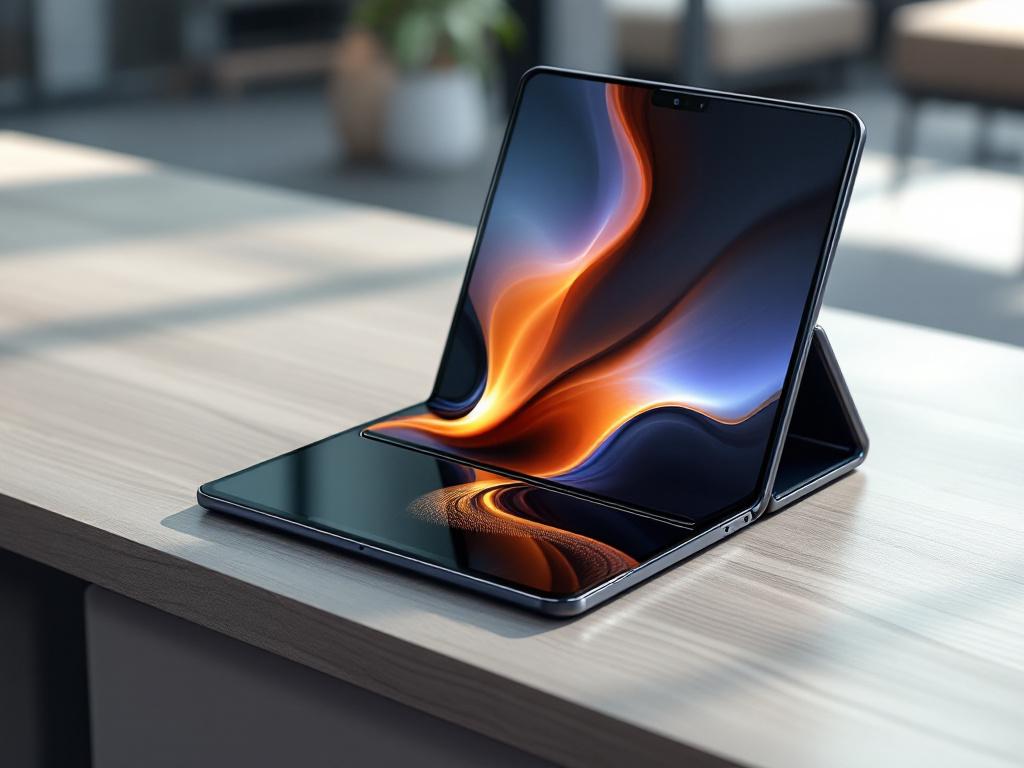
Samsung’s latest foray into foldable devices has sparked intense interest among tech enthusiasts and industry analysts alike, with the Galaxy Z Trifold emerging as a bold step beyond traditional dual-fold designs. Announced recently, this device unfolds twice, transforming from a compact smartphone into a sprawling tablet-like screen that promises unprecedented versatility. Drawing from official announcements and leaked documents, the Trifold represents Samsung’s response to competitors like Huawei, which have already ventured into multi-fold territory.
The device’s unveiling came amid a flurry of speculation, with Samsung positioning it as a productivity powerhouse. According to details from the company’s own press release on Samsung Newsroom, the Galaxy Z Trifold boasts a 10-inch main display when fully expanded, aimed at delivering immersive viewing and multitasking capabilities. This innovation arrives at a time when foldable market share is heating up, with Samsung seeking to maintain its dominance against rising Chinese brands.
Leaked user manuals and early hands-on reports have provided deeper insights into its functionality. A recent leak detailed in Android Authority reveals diagrams and instructions that highlight the Trifold’s unique hinge mechanism, which allows for two folds, creating three distinct panels. This design enables users to configure the device in various modes, from a standard phone to a mini-laptop setup.
Unpacking the Hardware Innovations
At the core of the Galaxy Z Trifold is its display technology, which includes a 6.5-inch outer screen for quick interactions and the expansive inner panel for more intensive tasks. Posts on X from tech insiders, such as those discussing prototypes, note that the device measures just 3.9mm thin when unfolded, making it remarkably portable despite its complexity. This slim profile is achieved through advanced materials, including a titanium hinge and aluminum frame, as echoed in various online discussions.
Battery life emerges as a standout feature, with a 5,600mAh capacity that surpasses many current foldables. Industry reports suggest this allows for extended use in tablet mode without frequent recharges. The Snapdragon 8 Elite processor powers the device, ensuring smooth performance across apps, which is crucial for professionals juggling multiple windows.
Camera specifications also impress, with a 200MP main sensor leading a triple rear setup that includes ultrawide and telephoto lenses. Selfie cameras on both displays cater to video calls in any configuration, a detail emphasized in unboxing videos shared across social platforms.
Navigating the User Interface and Software
Samsung’s One UI, optimized for the Trifold, introduces features like multi-window support that lets users run three apps simultaneously on the large screen. This is particularly appealing for enterprise users, as it mimics a desktop environment on the go. The user manual leak from Android Authority illustrates how to fold the device for tent mode, ideal for presentations or media consumption.
Integration with Galaxy AI enhances productivity, offering real-time translation and note-taking tools tailored to the multi-fold form. Early adopters on forums have praised the seamless transition between folded and unfolded states, though some express concerns about durability given the dual hinges.
Pricing and availability add another layer to the discussion. Set to launch in select markets soon, the device starts at around $2,500, according to reports from Forbes. This premium tag positions it as a luxury item, potentially limiting initial adoption to tech-savvy professionals and early innovators.
Market Positioning and Competitive Pressures
Samsung’s timing with the Trifold aligns with intensifying rivalry in the foldable segment. As noted in a CNBC analysis, the company faces pressure from Huawei’s Mate XT, which pioneered the tri-fold concept. Samsung differentiates through its ecosystem integration, including compatibility with Galaxy Watches and Buds, fostering user loyalty.
Industry insiders point to the Trifold’s IP48 rating for dust and water resistance as a practical advantage, addressing common foldable vulnerabilities. Discussions on Reddit, particularly in threads like those on the Samsung subreddit, highlight community excitement mixed with skepticism about crease visibility on the inner display.
From a manufacturing perspective, Samsung’s decision to produce limited initial units—around 50,000 as per X posts—suggests a cautious rollout. This strategy allows for real-world feedback before broader distribution, a tactic that has served the company well in past launches.
Durability Concerns and Long-Term Viability
One of the most debated aspects is the device’s robustness. The user manual details care instructions for the hinges, warning against excessive force to prevent damage. Reports from SamMobile emphasize the reinforced structure, but experts worry about wear over time with frequent folding.
Battery management features, such as adaptive charging, are outlined in leaked documents, aiming to extend lifespan. This is vital for a device that could see heavy use in professional settings, where reliability is paramount.
Comparisons to Apple’s rumored foldable iPhone, as speculated in Mashable, underscore Samsung’s lead in innovation. While Apple lags in foldables, Samsung’s Trifold could set benchmarks for screen durability and software optimization.
Ecosystem Integration and User Experience
Beyond hardware, the Trifold shines in how it integrates with Samsung’s broader lineup. Pairing with a Galaxy Book or Tab allows for seamless continuity, where tasks started on the phone can transfer effortlessly. This is detailed in promotional videos on Samsung’s site, showcasing scenarios like editing documents across devices.
User feedback from early leaks indicates strong multitasking appeal, with the 120Hz refresh rate ensuring fluid interactions. However, the learning curve for new users is noted, as the manual includes extensive tutorials on gesture controls and fold configurations.
Storage options of 512GB or 1TB, paired with 16GB RAM, cater to power users handling large files. This spec sheet, corroborated by posts on X, positions the Trifold as a viable laptop replacement for mobile professionals.
Global Rollout and Economic Implications
Samsung’s selective launch strategy, starting in markets like South Korea and parts of Europe, reflects logistical challenges in scaling tri-fold production. A PhoneArena piece highlights the massive 10-inch screen’s battery demands, which Samsung addresses with efficient power management.
Economically, the high price point could influence market dynamics, potentially slowing mass adoption but boosting premium segment revenues. Analysts predict that as production costs decrease, future iterations might become more accessible.
In terms of repairability, the manual provides guidance on hinge maintenance, a nod to growing consumer demands for sustainable tech. This aspect could appeal to environmentally conscious buyers, aligning with industry trends toward modular designs.
Innovative Features for Productivity
Diving deeper into software, Galaxy AI’s role cannot be overstated. Features like circle-to-search and AI-enhanced photography leverage the large display for creative workflows. Unboxing content from Samsung Newsroom (noting this is a different link from the initial one) demonstrates these in action, with users splitting the screen for simultaneous video editing and browsing.
The device’s thickness when folded—around 12.1mm—strikes a balance between portability and functionality, as per specs shared online. This makes it pocketable yet expansive when needed.
Security features, including under-display fingerprint sensors on both screens, ensure data protection in various modes. This is particularly relevant for business users, where the Trifold could replace bulkier tablets.
Future Prospects and Industry Impact
Looking ahead, the Galaxy Z Trifold may pave the way for even more ambitious designs, such as quad-folds or rollables. Insights from BGR suggest Samsung is investing heavily in R&D to refine crease reduction and hinge longevity.
Competitive responses are anticipated, with brands like Google and OnePlus potentially accelerating their foldable roadmaps. The Trifold’s launch could accelerate adoption rates, especially if software updates address initial bugs highlighted in user manuals.
Ultimately, Samsung’s gamble with the Trifold underscores a shift toward devices that blur lines between phones, tablets, and computers, offering insiders a glimpse into the evolving realm of mobile technology. As more units hit the market, real-world performance will determine its lasting place in the industry.


 WebProNews is an iEntry Publication