
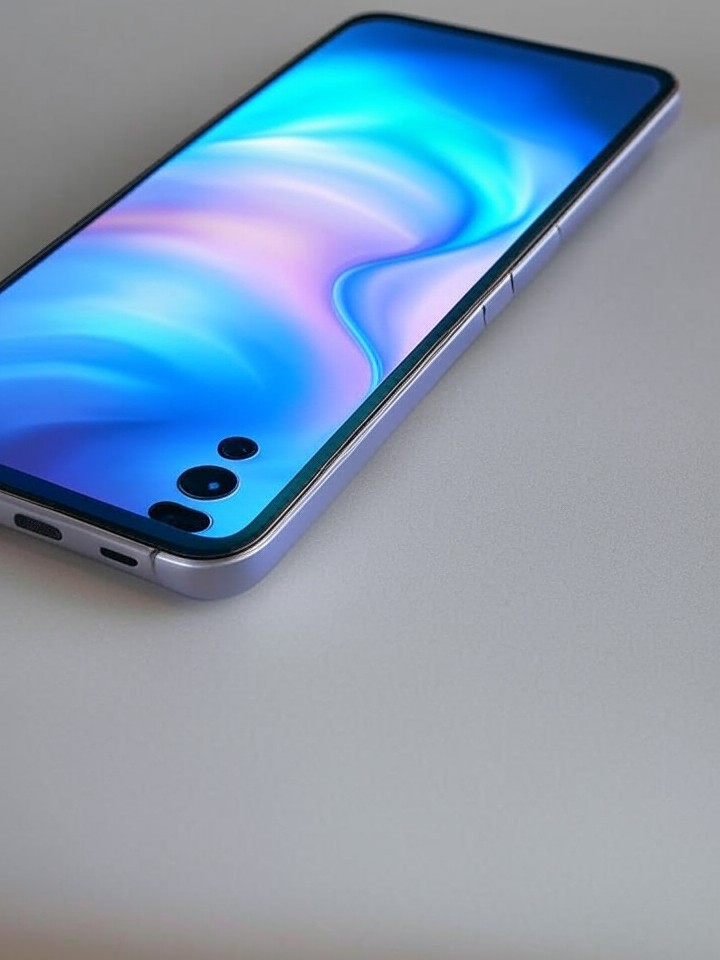
Unfolding the Future: Samsung’s Galaxy Z TriFold Redefines Mobile Boundaries
In the ever-evolving world of foldable smartphones, Samsung has once again pushed the envelope with its latest innovation, the Galaxy Z TriFold. Announced late last year and making waves at CES 2026, this device represents a bold step forward in mobile technology, blending the portability of a phone with the expansive utility of a tablet. Drawing from hands-on experiences and industry analyses, the TriFold’s dual-hinge design allows it to unfold into a massive 10-inch display, offering users unprecedented versatility for productivity and entertainment on the go.
The device’s engineering feats are impressive, featuring a titanium hinge and aluminum frame that contribute to its remarkably thin profile—measuring just 3.9mm when fully unfolded. Powered by the Snapdragon 8 Elite chip, it promises flagship-level performance, complete with a 200MP main camera, a 5,600mAh battery, and IP48 water resistance. Early reports from tech enthusiasts highlight its G-shaped folding mechanism, which minimizes creases and ensures a seamless viewing experience, whether you’re multitasking with multiple apps or immersing yourself in cinematic content.
Market reception has been enthusiastic, with the TriFold selling out within minutes of its initial launch in South Korea. As it prepares for a broader rollout, including a U.S. release in early 2026, industry observers are buzzing about its potential to reshape consumer expectations for foldable devices. Posts on X from tech influencers like Marques Brownlee and Ice Universe underscore the excitement, praising its innovative form factor while noting its role in demonstrating Samsung’s engineering prowess.
Innovative Design and Build Quality
At the heart of the Galaxy Z TriFold’s appeal is its groundbreaking design. Unlike traditional foldables that open like a book, this device unfolds twice, creating three panels that form a continuous 10-inch screen. This configuration not only provides a larger canvas for work and play but also supports advanced features like Samsung DeX, which turns the phone into a desktop-like experience when connected to an external monitor. According to a detailed hands-on review in TechRadar, the TriFold’s ability to handle multi-window multitasking feels intuitive and efficient, making it a game-changer for professionals who need a portable workstation.
The build quality further elevates its status. Weighing in at 309 grams and folding down to a compact 6.5-inch outer display, it strikes a balance between usability and portability. The use of durable materials ensures it can withstand daily rigors, with the IP48 rating offering protection against dust and water splashes. Engadget’s coverage from CES 2026, in their article Samsung Galaxy Z TriFold hands-on: Flexing is believing at CES 2026, describes the device as surprisingly springy and thin when open, though it notes some drawbacks like fingerprint smudges on the screen.
Beyond aesthetics, the TriFold incorporates Galaxy AI enhancements that optimize battery life and camera performance. The 200MP sensor, paired with 12MP ultrawide and 10MP telephoto lenses, delivers stunning photography capabilities, rivaling those of Samsung’s non-foldable flagships. This integration of high-end specs into a foldable form factor positions the TriFold as a premium offering, aimed at users seeking cutting-edge technology without compromises.
Performance and Software Integration
Under the hood, the Snapdragon 8 Elite processor ensures the TriFold handles demanding tasks with ease, from video editing to gaming. Its 120Hz refresh rate on both the inner and outer displays provides smooth scrolling and responsive interactions, enhancing the overall user experience. Samsung’s official announcement on their news site, detailed in Introducing Galaxy Z TriFold: The Shape of What’s Next in Mobile Innovation, emphasizes how this device elevates productivity through features like an immersive mobile workspace.
Software plays a pivotal role here, with One UI optimized for the trifold layout. Users can split the screen into multiple sections, running apps side by side for efficient multitasking. This is particularly beneficial for creative professionals and business users who juggle emails, documents, and video calls simultaneously. Mashable’s comprehensive overview in Samsung Galaxy Z TriFold: Specs, U.S. release date, reviews highlights how the device’s software ecosystem integrates seamlessly with Galaxy AI, offering intelligent suggestions and automations that save time.
Battery life is another strong suit, with the 5,600mAh capacity supporting all-day usage even with the large screen active. Fast charging capabilities ensure minimal downtime, making it suitable for on-the-go lifestyles. Industry posts on X reflect positive sentiment, with users noting the device’s ability to replace both phones and tablets, potentially reducing the need for multiple gadgets.
Market Positioning and Consumer Reception
Samsung’s strategy with the TriFold appears geared toward capturing the high-end segment of the foldable market. Priced competitively—though details vary by region—it’s positioned as a luxury item that justifies its cost through innovation. Forbes reported on the release in Samsung Unveils Galaxy Z TriFold Price And Release Date: Soon, But There’s A Catch, noting an initial launch in select markets before a wider rollout, which has built anticipation and driven early sales.
Consumer reception, as gleaned from social media buzz on X, shows a mix of awe and practical concerns. Influencers praise the expansive screen for media consumption, while some question the durability of the dual hinges over time. The device’s win at CES 2026, as covered by Sammy Fans in Samsung Galaxy Z TriFold phone takes top CES 2026 honors, underscores its recognition as a leader in mobile tech, earning accolades for best overall and best mobile innovation.
However, challenges remain. The folded thickness of 12.9mm might feel bulky to some, and the high price point—rumored around €3,000 in certain markets—could limit accessibility. Discussions on X, including posts from tech analysts, suggest that while the TriFold excites early adopters, broader adoption depends on price reductions and proven reliability.
Competitive Dynamics and Industry Implications
In a crowded field of foldables, the TriFold sets Samsung apart from rivals like Huawei’s Mate XT, which employs a similar trifold design. By launching first in key markets, Samsung aims to establish dominance. CNET’s article Samsung’s Galaxy Z TriFold Arrives in Korea, but Won’t Come to the US Until 2026 points out the strategic staggered release, allowing refinements based on initial feedback before global expansion.
The device’s impact extends to the broader tech ecosystem. It challenges traditional tablets by offering a pocketable alternative, potentially shifting market shares. Analysts on X speculate that this could pressure competitors like Apple, which has yet to enter the foldable arena, to accelerate their own innovations. Creative Strategies’ post highlights the TriFold’s role in blending phone, tablet, and laptop functionalities, fostering a new era of hybrid devices.
Economically, production challenges are notable. Reports indicate high manufacturing costs due to complex displays, as mentioned in X posts about yield issues. This could affect profitability, but Samsung’s investment signals confidence in long-term demand for advanced foldables.
Future Prospects and Technological Advancements
Looking ahead, the Galaxy Z TriFold could pave the way for even more ambitious designs, such as quad-fold or rollable screens. Its success might encourage software developers to create apps optimized for large, flexible displays, enriching the ecosystem. Samsung’s Singapore site, in Samsung Galaxy Z TriFold | Features and Specs, details specs that hint at future updates, like enhanced AI integrations.
Consumer feedback from CES demos, as reported by CNN Business in Samsung’s Galaxy Z Trifold looks straight out of science fiction. I got to try it, describes it as a sci-fi-inspired gadget that feels practical in hand. This blend of novelty and utility could drive adoption among tech-savvy users.
Ultimately, the TriFold’s market impact hinges on addressing durability concerns and expanding accessibility. If Samsung navigates these hurdles, it could redefine mobile computing, blending seamless transitions between form factors that empower users in diverse scenarios.
Economic and Strategic Considerations
From a business perspective, the TriFold represents a high-stakes bet for Samsung. With foldables still a niche market, capturing premium buyers is crucial. Posts on X from financial analysts, like those from Garden Capital, discuss potential losses on early units due to expensive components, yet emphasize the narrative value in showcasing innovation to investors.
Strategically, partnerships with app developers and carriers will be key to maximizing its potential. The device’s support for 5G and Wi-Fi 6E ensures it’s future-proof, aligning with emerging trends in connectivity. Mashable’s CES coverage in CES 2026: Samsung Galaxy Z TriFold gets a close-up in new video captures the excitement, suggesting strong word-of-mouth promotion.
As the U.S. launch approaches, Samsung’s marketing will likely focus on its productivity benefits, targeting enterprise users. This could expand its appeal beyond consumers, into corporate environments where versatile devices streamline workflows.
Challenges and Opportunities Ahead
Despite its strengths, the TriFold faces hurdles like competition from cheaper alternatives and skepticism about foldable longevity. TechRadar notes in their review that while the device impresses, real-world testing will reveal if it withstands everyday use without issues like hinge failures.
Opportunities abound in emerging markets, where demand for multifunctional devices is growing. By iterating on feedback, Samsung can refine the TriFold, perhaps introducing slimmer versions or better battery tech in successors.
In the broader context, this device exemplifies how innovation drives the tech sector forward, encouraging rivals to elevate their offerings and benefiting consumers with more choices. As posts on X indicate, the TriFold has sparked debates on the future of personal computing, positioning Samsung at the forefront of this transformation.


 WebProNews is an iEntry Publication