
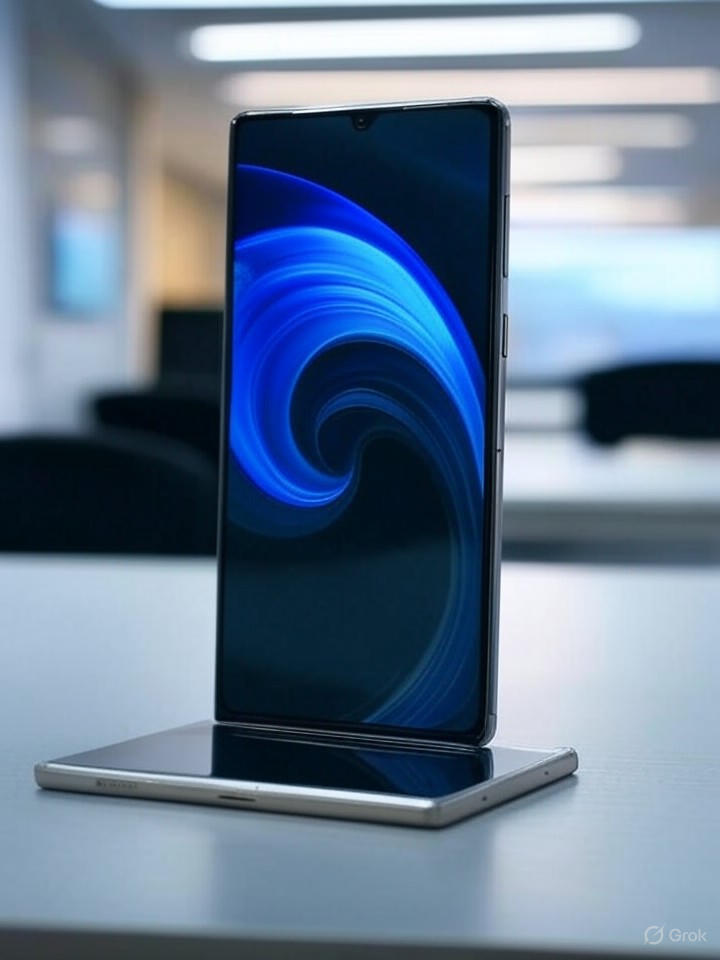
Samsung Electronics Co. is poised to introduce its innovative Galaxy Z TriFold smartphone, a device that unfolds into a expansive 10-inch display via dual hinges, but the company appears to be wisely steering clear of a U.S. launch. According to recent reports, the TriFold is slated for release in select Asian markets, a strategic decision that could shield Samsung from the pitfalls of introducing an experimental product in one of the world’s most demanding consumer arenas.
The TriFold represents a bold evolution in foldable technology, building on Samsung’s established Galaxy Z series. Leaked animations and early previews suggest it aims to blur the lines between smartphone, tablet, and even portable PC, with features optimized for multitasking. Yet, as Android Central notes in its analysis, limiting the launch to regions like China and South Korea allows Samsung to test the waters without the intense scrutiny and high expectations that define the North American market.
Navigating Market Realities and Consumer Skepticism
Industry observers point out that American consumers have shown a cautious approach to foldables, often balking at premium pricing and concerns over durability. Samsung’s existing Z Fold lineup, while successful, hasn’t achieved the mass adoption seen in slab-style phones, with sales figures indicating a niche appeal. By avoiding a U.S. rollout for the TriFold, Samsung mitigates the risk of a lukewarm reception that could tarnish its brand in a key profit center.
Moreover, regulatory and competitive pressures in the U.S. add layers of complexity. The Federal Communications Commission and carrier certifications demand rigorous testing, which could delay launches and inflate costs for a device as novel as the TriFold. Reports from Android Central earlier this month hinted at potential U.S. availability, but subsequent updates suggest a pivot, likely influenced by these factors.
Learning from Past Innovations and Global Testing
Samsung’s history with foldables underscores the value of phased introductions. The original Galaxy Fold faced early hiccups, including screen issues that prompted a recall, yet it paved the way for refined iterations. Launching the TriFold in Asia first enables Samsung to gather real-world feedback on hinge reliability, battery life, and software integration—critical for a device with three panels and a tri-battery system, as detailed in leaks covered by Android Central.
This approach also aligns with broader industry trends, where companies like Huawei have tested tri-fold designs in China before considering global expansion. Samsung’s Q3 2025 earnings hints, as reported by SamMobile, suggest a 2026 timeline for wider availability, potentially including the U.S. once the product matures.
Strategic Positioning for Long-Term Success
Financially, the decision makes sense: Asian markets offer robust demand for cutting-edge tech, with consumers more willing to embrace high-end gadgets. Samsung can refine pricing strategies—rumored at a steep premium over the Z Fold 7—based on initial sales data, avoiding the sticker shock that might deter U.S. buyers accustomed to subsidized carrier deals.
Competitively, this move positions Samsung to counter rivals like Google and OnePlus, who are pushing their own foldables stateside. By perfecting the TriFold abroad, Samsung could eventually enter the U.S. with a battle-tested product, bolstering its dominance in the foldable segment.
Economic Implications and Future Outlook
Analysts believe this cautious strategy could pay dividends, preserving Samsung’s margins amid economic uncertainties. With global smartphone sales plateauing, focusing on innovation in receptive markets minimizes downside risks.
Ultimately, as Android Central describes in its first-look coverage, the TriFold’s unveiling in Korea signals excitement, but Samsung’s restraint in the U.S. reflects savvy business acumen, ensuring the device’s potential isn’t squandered on an unready audience.


 WebProNews is an iEntry Publication