
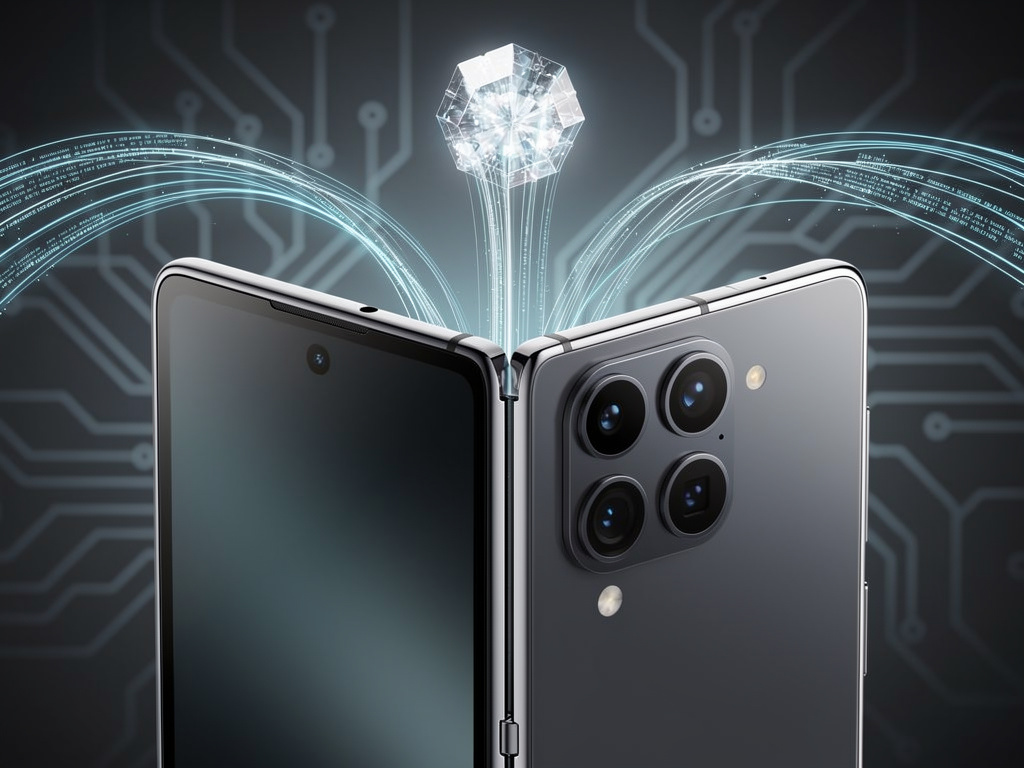
Folding into Focus: Samsung’s Ambitious Camera Overhaul for the Galaxy Z Fold Lineup
Samsung’s foldable smartphones have long captivated tech enthusiasts with their innovative designs, but one persistent criticism has been the camera systems, which often lagged behind the company’s flagship non-foldable devices. As rumors swirl about the upcoming Galaxy Z Fold 8, industry insiders are buzzing about potential upgrades that could finally bridge this gap. Drawing from recent leaks and expert analyses, this deep dive explores how Samsung might be addressing these shortcomings, potentially reshaping the foldable market.
The Galaxy Z Fold series, starting from its inception, has prioritized form factor over photographic prowess. Early models like the original Z Fold featured cameras that were serviceable but not groundbreaking, often borrowing sensors from mid-range devices rather than top-tier ones. This approach stemmed from engineering challenges: cramming high-end camera hardware into a device that folds in half requires compromises in space and thermal management. However, consumer feedback has been clear—users want foldables that don’t sacrifice image quality for portability.
Recent reports indicate a shift in Samsung’s strategy. According to leaks shared across tech forums and publications, the Galaxy Z Fold 8 is poised for significant enhancements in its telephoto and ultrawide lenses. These changes could elevate the device’s photography capabilities to match or even exceed those of the Galaxy S series, Samsung’s traditional camera champions.
Evolving Hardware Specifications
One of the most talked-about rumors comes from a report by Gadgets 360, which suggests the Z Fold 8 will retain a 200-megapixel main sensor—similar to what’s found in recent Ultra models—while upgrading the telephoto to a 12-megapixel unit with 3x optical zoom. This is an improvement over the current 10-megapixel telephoto in the Z Fold 7. The ultrawide camera is tipped to jump to a 50-megapixel sensor, aligning it more closely with the Galaxy S25 Ultra’s capabilities.
These specifications aren’t just numbers; they represent a deliberate effort to address user pain points. Foldable owners have often complained about subpar zoom performance and wide-angle shots that lack detail, especially in low-light conditions. By adopting higher-resolution sensors, Samsung could enable better digital cropping, improved noise reduction, and enhanced dynamic range, making the Z Fold 8 a more versatile tool for photographers on the go.
Moreover, the under-display selfie camera, a hallmark of the Z Fold series, is expected to see refinements. While details are scarce, posts on X from reliable leakers like Rock Leaks hint at a 10-megapixel inner selfie camera that minimizes visibility under the screen, building on improvements seen in previous iterations. This could mean sharper self-portraits without the hazy quality that plagued earlier models.
Integration of AI and Software Enhancements
Beyond hardware, Samsung’s camera upgrades are likely to be amplified by advanced software and AI integrations. The company has been teasing smarter camera experiences, as noted in X posts from users like Alvin, who referenced press releases highlighting AI-driven features that respond to what the camera sees. This could include real-time scene optimization, object recognition, and automated editing tools, making complex photography accessible to everyday users.
In a similar vein, sources like Digital Trends emphasize Samsung’s push toward “no-compromise foldable photography.” This philosophy suggests that the Z Fold 8 won’t just have better lenses but will leverage Galaxy AI to enhance post-processing. For instance, features like generative fill or advanced night mode could be optimized for the foldable’s unique dual-screen setup, allowing users to preview edits on the larger inner display.
Industry analysts point out that these AI enhancements are crucial in a competitive market where rivals like Google and Apple are doubling down on computational photography. Samsung’s foldables have historically underperformed in this area, but with the Z Fold 8, the company appears committed to catching up, potentially integrating hardware from its S-series lineup more seamlessly.
Historical Context and Iterative Improvements
To understand the significance of these rumored upgrades, it’s essential to look back at the evolution of Z Fold cameras. The Z Fold 3 introduced the under-display camera, a novel but imperfect solution that improved in the Z Fold 4 and 5 with better light transmission. By the Z Fold 6 and 7, Samsung had incorporated a 200-megapixel main sensor, as confirmed in X posts from leakers like Anthony, marking a milestone as the first foldable with such high resolution.
However, even with these advancements, the secondary cameras remained a weak link. The Z Fold Special Edition, released in select markets, experimented with premium sensors, achieving image quality that surpassed the S24 Ultra in some tests, according to further posts on X. This limited-release device served as a testing ground, proving that high-end cameras can fit into foldable designs without excessive bulk.
Samsung’s incremental approach has drawn criticism, with some insiders arguing that the company has been too cautious. Yet, this strategy allows for refined engineering, ensuring that upgrades like the rumored 50-megapixel ultrawide in the Z Fold 8 don’t compromise the device’s slim profile or battery life.
Market Implications and Consumer Expectations
The potential camera upgrades could have ripple effects across the foldable segment. As foldables gain mainstream appeal, consumers are demanding devices that excel in all areas, not just novelty. A report from SamMobile notes that these changes signal Samsung’s intent to make the Z Fold 8 a true flagship contender, possibly boosting sales in a market where foldables still represent a small fraction of overall smartphone shipments.
For industry insiders, this move underscores broader trends in mobile photography. With smartphones replacing dedicated cameras for many users, features like high-resolution zoom are becoming table stakes. Samsung’s rumored upgrades could pressure competitors like Huawei and Oppo, who have already pushed boundaries in foldable cameras, to innovate further.
Consumer sentiment, gauged from recent X discussions, is overwhelmingly positive. Posts from accounts like Android Authority highlight excitement over the leaked specs, with users speculating on how these improvements might enhance creative uses, such as vlogging with the foldable’s flexible form factor.
Challenges in Implementation
Despite the optimism, implementing these upgrades isn’t without hurdles. Foldables must balance camera quality with durability—lenses exposed on the outer cover need to withstand daily wear, while internal components face heat dissipation issues during prolonged use. Samsung’s history of iterative hinge improvements, as mentioned in older X posts from Yogesh Brar about the Z Fold 5, shows ongoing efforts to address these.
Thermal management is particularly critical for high-resolution sensors, which generate more data and heat. Leaks suggest the Z Fold 8 might incorporate larger vapor chambers or advanced cooling, building on the “bigger cooling” teased for the Z Fold 7 in X updates.
Additionally, cost remains a factor. Upgrading to premium sensors could drive up the already high price of foldables, potentially alienating price-sensitive buyers. Samsung must navigate this by offering value through software longevity and ecosystem integration, ensuring the Z Fold 8 justifies its premium positioning.
Competitive Pressures and Future Outlook
Looking at the broader market, Samsung’s camera push comes amid intensifying competition. Google’s Pixel Fold has impressed with its software-driven photography, while Apple’s rumored entry into foldables could disrupt the status quo. By enhancing the Z Fold 8’s cameras, Samsung aims to maintain its lead, as detailed in an analysis by Android Central, which argues that the company is finally treating cameras as a priority rather than an afterthought.
Insiders speculate that these upgrades might extend to other aspects, like video recording capabilities. With 8K support and improved stabilization, the Z Fold 8 could appeal to content creators who value the device’s multitasking prowess.
Ultimately, if the rumors hold true, the Galaxy Z Fold 8 represents a pivotal moment for Samsung’s foldable ambitions. By closing the camera gap, the company could solidify foldables as viable alternatives to traditional slabs, driving adoption among professionals and enthusiasts alike.
Expert Insights and Speculative Features
Industry experts, including those cited in Digit, predict that the Z Fold 8’s launch in mid-2026 will coincide with advancements in sensor technology, possibly incorporating periscope lenses for even better zoom. This would build on the 3x optical zoom rumor, offering hybrid zoom up to 100x, akin to the S-series.
Speculation also abounds about AI features tailored to foldables. Imagine using the outer screen for quick snaps while the inner display handles advanced editing— a seamless workflow enabled by upgraded hardware.
Furthermore, sustainability considerations might play a role, with Samsung potentially using recycled materials in camera modules, aligning with its eco-friendly initiatives. This holistic approach could make the Z Fold 8 not just a photography powerhouse but a forward-thinking device.
Anticipated Launch and Availability
As the expected launch approaches, leaks from sources like GSMArena provide a timeline: summer 2026, following Samsung’s typical Unpacked event schedule. Availability might start in key markets like South Korea and the US, with global rollout soon after.
Pricing rumors suggest a slight increase due to the upgrades, but bundle deals with accessories like the S Pen could soften the blow. For insiders, this positions the Z Fold 8 as a must-watch release, potentially setting new standards for foldable innovation.
In the ever-evolving world of mobile tech, Samsung’s camera upgrades for the Z Fold series highlight a commitment to excellence. As details continue to emerge, the anticipation builds for a device that could redefine what’s possible in foldable photography.


 WebProNews is an iEntry Publication