
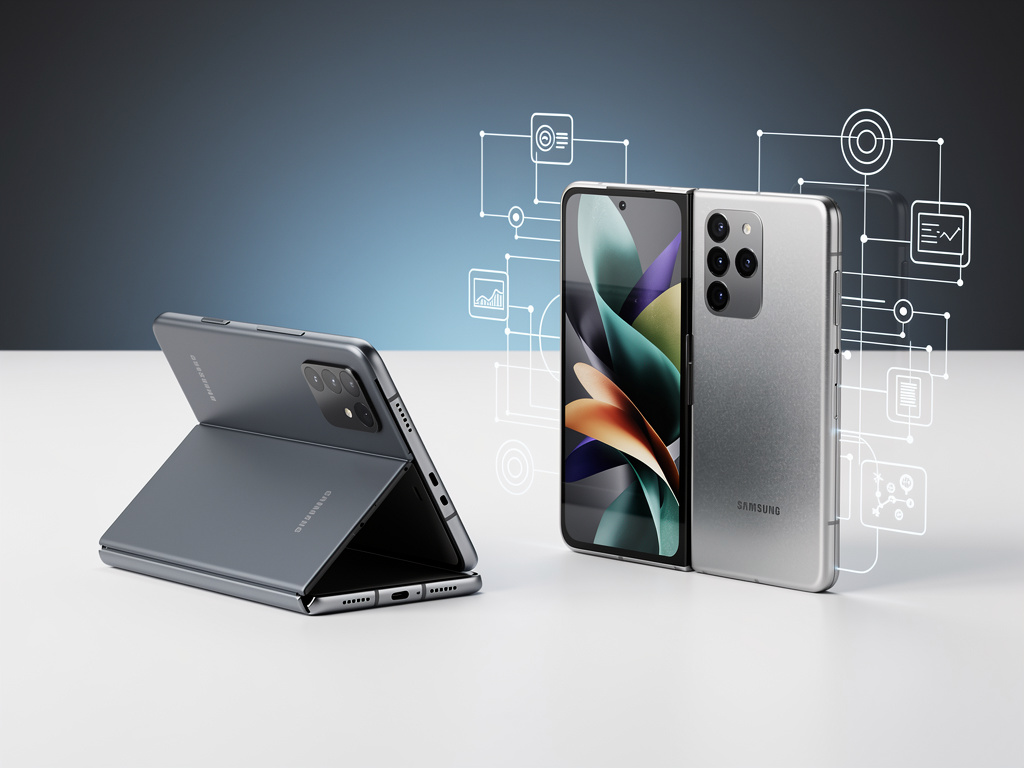
Samsung has refined its foldable phone strategy with the Galaxy Z Fold 8 series, introducing two distinct models that cater to different user preferences and budgets. The standard Galaxy Z Fold 8 offers a more compact and affordable option, while the Galaxy Z Fold 8 Ultra pushes the boundaries with larger displays, enhanced materials, and additional features aimed at power users. Comparing these two devices reveals how Samsung balances innovation with practicality across its latest foldable lineup.
The design differences between the Galaxy Z Fold 8 and the Galaxy Z Fold 8 Ultra become apparent from the moment you pick them up. The standard model measures roughly 5.9 inches wide when folded and expands to a tablet-like 7.6-inch inner display when opened. Samsung constructed the Z Fold 8 with an aluminum frame that feels solid yet lightweight at around 239 grams. Its hinge mechanism has been updated to reduce the visible crease on the inner screen, making the transition between folded and unfolded states feel more natural during daily use.
In contrast, the Galaxy Z Fold 8 Ultra adopts a more substantial build with a titanium frame that adds durability without excessive weight gain. The device tips the scales at approximately 261 grams, a noticeable increase that some users might feel during prolonged one-handed operation. However, this added mass contributes to a premium impression that aligns with its higher price point. The Ultra model expands to an 8.1-inch inner display, providing significantly more screen real estate that benefits productivity tasks and media consumption. Both phones maintain IP48 water and dust resistance ratings, though the Ultra's reinforced structure offers better protection against accidental drops according to testing reported by Android Central.
Display technology represents one of the most significant areas of differentiation. The Galaxy Z Fold 8 features a 6.3-inch cover display with a 120Hz refresh rate and 2600 nits peak brightness, making it comfortable for quick tasks like replying to messages without unfolding the device. Once opened, the 7.6-inch Dynamic AMOLED 2X panel delivers vibrant colors and sharp 1856 x 2160 resolution. The reduced crease visibility marks a clear improvement over previous generations, though close inspection still reveals a subtle line across the middle.
The Galaxy Z Fold 8 Ultra takes display performance further with its 8.1-inch inner screen that maintains the 120Hz adaptive refresh rate while offering higher resolution at 1920 x 2160 pixels. This larger canvas makes multitasking more effective, especially when using the improved split-screen capabilities that Samsung has optimized for the bigger form factor. The cover display on the Ultra measures 6.5 inches and includes an under-display camera that creates a cleaner look compared to the standard model's punch-hole camera. Both screens support S Pen input, but the Ultra includes dedicated software optimizations that make the stylus feel more integrated with the larger display surface.
Performance hardware shows meaningful upgrades across both models, though the Ultra receives preferential treatment in certain areas. The Galaxy Z Fold 8 comes equipped with the Snapdragon 8 Gen 4 processor paired with 12GB of RAM in base configurations. This combination handles demanding applications smoothly, including graphics-intensive games and multiple open apps simultaneously. Storage options start at 256GB and extend to 1TB, giving users flexibility based on their needs for storing photos, videos, and applications.
Samsung reserved the Snapdragon 8 Gen 4 for the Galaxy Z Fold 8 Ultra as well but pairs it with up to 16GB of RAM in higher configurations. This extra memory becomes particularly valuable when running resource-heavy productivity apps or maintaining numerous browser tabs alongside other programs. The Ultra also benefits from enhanced thermal management systems that help sustain peak performance during extended gaming sessions or video editing tasks. Benchmark tests shared by Android Central indicate the Ultra maintains higher frame rates in graphically demanding titles thanks to its superior cooling design.
Camera systems on both devices reflect Samsung's commitment to versatile photography in foldable formats. The Galaxy Z Fold 8 includes a triple rear camera array consisting of a 50MP main sensor, 12MP ultrawide lens, and 10MP 3x telephoto module. This setup produces detailed images across various lighting conditions, with the foldable design enabling unique shooting angles that traditional phones cannot match. The 10MP cover camera and 4MP under-display camera handle video calls adequately, though neither matches the quality of the rear sensors.
The Galaxy Z Fold 8 Ultra elevates the camera experience with a 200MP main sensor that captures exceptional detail, particularly in well-lit environments. Its telephoto lens offers 5x optical zoom compared to the standard model's 3x, providing greater flexibility for distant subjects. The ultrawide camera receives a 12MP upgrade with improved low-light performance. Perhaps most notably, the Ultra introduces advanced AI processing features that enhance portrait modes and night photography. When using the foldable form factor to create a makeshift tripod, both phones excel at hands-free group shots, but the Ultra's superior sensor quality produces more consistent results.
Battery life varies between the two models due to their different sizes and hardware demands. The Galaxy Z Fold 8 houses a 4400mAh battery that typically lasts through a full day of moderate use including messaging, web browsing, and occasional media streaming. Its 25W wired charging speed feels adequate though not class-leading, while 15W wireless charging provides convenient top-ups throughout the day. Users who frequently engage in processor-intensive tasks may find themselves reaching for a charger by evening.
The Galaxy Z Fold 8 Ultra compensates for its larger display with a 5000mAh battery that delivers noticeably better endurance. Testing suggests the Ultra can handle heavy usage patterns while still retaining enough power for evening activities. The device supports faster 45W wired charging, which reduces the time needed to reach full capacity from empty. Both models include reverse wireless charging capabilities that allow them to top up other devices like earbuds or smartwatches when necessary.
Software experience remains consistent across both devices thanks to Samsung's One UI 7 running on Android 15. The interface has been specifically optimized for foldable displays, with features like Flex Mode that transform the bottom half of the screen into a touchpad or control panel when the phone is partially folded. Multi-window support works more effectively on the Ultra's larger display, allowing users to run three or even four applications simultaneously without feeling cramped.
Samsung promises seven years of software updates for both the Galaxy Z Fold 8 and Galaxy Z Fold 8 Ultra, ensuring long-term security and feature additions. The company has also enhanced its AI capabilities with Galaxy AI features that work across both models, including real-time translation during calls, note summarization, and intelligent photo editing tools. These features feel particularly useful on the foldable format where the larger screen provides more space for reviewing edited content or comparing translations.
Price positioning creates a clear distinction between these two foldables. The Galaxy Z Fold 8 starts at a more accessible point that undercuts its predecessor while still commanding a premium over traditional flagships. This pricing strategy makes foldable technology available to a broader audience who want the versatility of a folding phone without the highest cost. Trade-in programs and carrier deals often reduce the effective purchase price further.
The Galaxy Z Fold 8 Ultra commands a significantly higher price that reflects its premium materials, larger display, and enhanced specifications. This positions it as a direct competitor to other high-end productivity devices rather than mainstream smartphones. Business professionals and creative users who value the expanded workspace may find the additional investment worthwhile, especially when considering the device's longevity and comprehensive feature set.
Storage and memory configurations offer additional choices for consumers. The standard Galaxy Z Fold 8 comes in 12GB RAM variants with storage options of 256GB, 512GB, and 1TB. The Ultra model offers 12GB or 16GB RAM configurations with the same storage tiers, though the highest memory option pairs exclusively with the titanium frame model. Color selections differ slightly between the two, with the Ultra featuring more sophisticated finishes that complement its premium positioning.
Durability improvements appear throughout the Z Fold 8 series. Both models benefit from stronger hinge mechanisms that have undergone extensive testing to ensure reliability over thousands of folding cycles. The Ultra's titanium construction provides additional peace of mind for users who frequently transport their device in bags or pockets where impacts might occur. Screen protectors come pre-installed on both inner displays, and Samsung has improved the adhesive quality to prevent peeling over time.
The choice between the Galaxy Z Fold 8 and Galaxy Z Fold 8 Ultra ultimately depends on individual priorities and usage patterns. Users who want a more portable foldable experience with solid performance across daily tasks will likely find the standard model sufficient. Those who regularly engage in content creation, detailed productivity work, or simply prefer maximum screen space may gravitate toward the Ultra despite its higher cost and slightly larger footprint.
Samsung's approach with these two models demonstrates a maturing foldable market where different user segments can find devices tailored to their specific requirements. The standard Galaxy Z Fold 8 makes the technology more approachable while maintaining the core benefits that have driven adoption in previous years. Meanwhile, the Galaxy Z Fold 8 Ultra serves as a statement device that showcases what becomes possible when size constraints are relaxed and premium materials are employed.
As foldable phones continue gaining mainstream acceptance, the differences between models like these help consumers understand the various approaches manufacturers take to balance innovation, practicality, and cost. The Galaxy Z Fold 8 series represents Samsung's refined understanding of what users expect from foldable devices, from improved crease reduction to better battery management and more intuitive software features. Whether choosing the more compact option or the expansive Ultra variant, buyers gain access to a versatile computing experience that traditional slab phones simply cannot match. The decision comes down to how much screen space and premium features each person requires in their daily mobile device.


 WebProNews is an iEntry Publication