
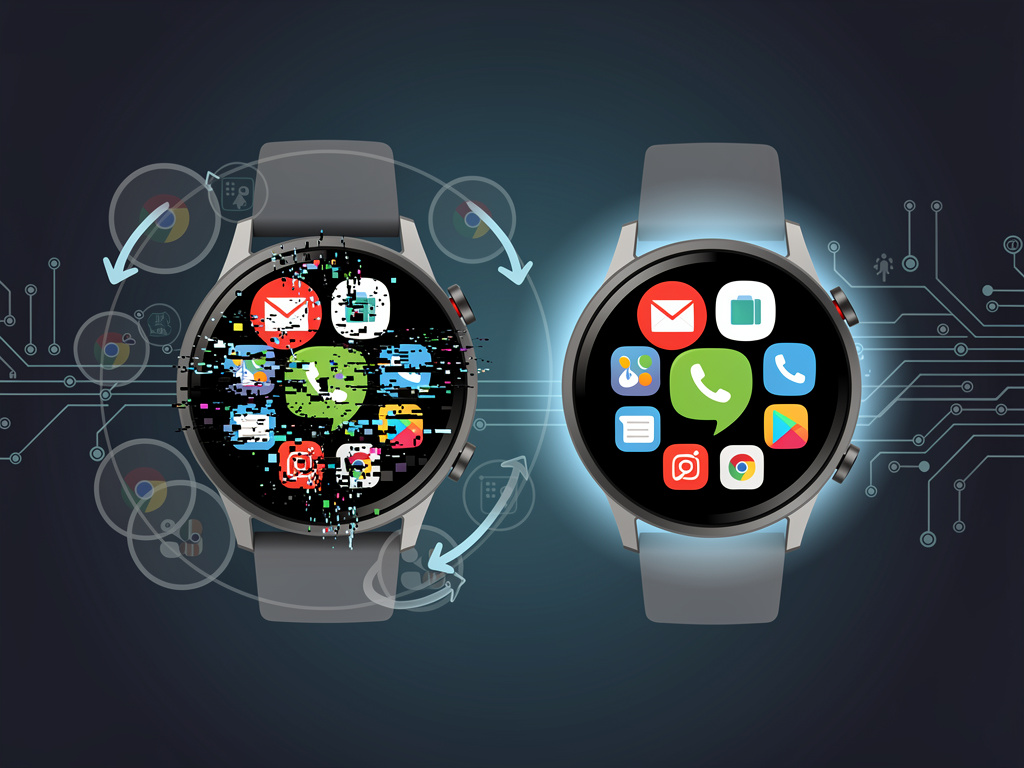
Frustration builds fast when a smartwatch refuses basic commands. Owners of recent Samsung Galaxy Watch models now face exactly that problem. Certain apps simply won’t open. They flash a splash screen for a moment. Then the device drops users back to the app drawer without explanation.
The issue surfaced in recent days and quickly spread across online forums. Reports describe Gmail, Google Calendar, and WhatsApp among the apps that fail to load on devices including the Galaxy Watch 8 Classic. One user detailed the exact behavior in a post referenced by Android Authority. The pattern matches complaints from Galaxy Watch 7 users as well.
But this isn’t the first time Samsung wearables have stumbled over software glitches. Back in 2022, Galaxy Watch 4 owners watched the companion Galaxy Wearable app crash repeatedly after a specific update. Samsung acknowledged the fault on its community forums and pointed to a missing “Nearby Devices” permission on Android 12 devices. A fix followed, yet the memory lingers for long-time users. 9to5Google covered that episode in detail at the time.
This time the root appears deeper. Technical analysis shared on Reddit traces the failure to a bug in Wear OS 6. Ghost threads, sometimes called zombie processes, linger in the system. They create deadlocks at the kernel level. The result blocks new app launches even though the watch itself stays responsive. And the problem doesn’t affect every user or every app. Selectivity adds to the confusion.
Samsung rolled out its May 2026 security update to Galaxy Watch 7, Watch 8, and Ultra models in mid-June. The patch carries mostly security fixes and lands as a roughly 200-megabyte download. Early testers noticed something else. After installation, the app launch failures vanished. One Reddit user confirmed the update resolved the deadlock on a Galaxy Watch 7. Android Central reported the rollout’s quiet arrival in the United States without highlighting any specific app-related repairs.
Still, not every owner receives the update at once. Regional differences and carrier variations slow the process. Those stuck waiting turn to workarounds that offer mixed success. Restarting the watch helps some. Others clear cache for individual apps or the Galaxy Wearable companion on their phones. A full factory reset delivers results for a few but wipes settings and data in the process. Samsung’s own support pages recommend these steps for general app crashes on watches, though they stop short of addressing this exact Wear OS 6 deadlock.
The timing feels awkward for Samsung. The company just detailed major AI enhancements coming to Samsung Health and the next Galaxy Watch generation. Those features promise proactive health guidance drawn from continuous sensor data. Yet if basic apps refuse to start, the added intelligence loses its shine. Users expect reliable notifications, calendar alerts, and messaging. When those functions break, trust erodes quickly.
Industry watchers see broader implications. Wear OS powers devices from multiple brands, and kernel-level process management remains a persistent pain point. Google continues to refine the platform. Samsung layers its One UI Watch skin on top. Each update risks introducing subtle conflicts that surface only after weeks of real-world use. The zombie thread problem exemplifies that risk.
Owners who installed the May 2026 patch report smoother performance overall. App drawer navigation feels snappier. Background syncing no longer triggers unexpected hangs. The fix, while welcome, arrived through a security vehicle rather than a dedicated bug-squash release. That choice raises questions about how Samsung prioritizes issues inside its wearable software teams.
Community forums buzz with similar stories. Samsung’s own U.S. community site lists threads about Wearable app crashes that stretch back years. Some date to the Galaxy Watch 6 era. Others involve login loops or failure to connect after phone updates. The pattern suggests an underlying fragility in the pairing and launch mechanisms that ties phone, watch, and cloud services together.
Developers who build for Wear OS note the challenge of limited resources on wrist devices. Memory constraints force aggressive process management. When that management falters, apps pay the price. A single stuck thread can poison the well for everything else. The current bug demonstrates how one overlooked edge case in process cleanup cascades into widespread complaints.
Samsung hasn’t issued a formal statement on this specific failure. The company typically addresses widespread problems through support pages or quiet patch notes. In the 2022 case, acknowledgment came only after enough users flooded Reddit and community boards. Expect similar silence until the May 2026 update reaches critical mass. By then many owners may have already solved the issue themselves.
Those still waiting can try a sequence that combines several standard troubleshooting steps. First restart both watch and phone. Then check for pending updates in the Galaxy Wearable app and on the watch itself through Settings. Clear cache for problematic apps directly on the watch where possible. If that fails, reset the Galaxy Wearable app data on the phone. As a last resort before full wipe, unpair and repair the devices.
The episode serves as reminder that even mature platforms carry hidden weaknesses. Samsung ships powerful sensors and bright AMOLED displays in its watches. Battery life improved markedly in recent generations. Yet software stability determines daily satisfaction more than any hardware spec. When apps won’t launch, the entire experience collapses.
Looking ahead, the Galaxy Watch 9 rumors already circulate with promises of deeper AI integration and refined health metrics. Samsung Health itself receives an overhaul that turns passive tracking into active coaching. Those advances will matter little if the underlying operating system can’t guarantee that an app starts when tapped. The quiet success of the May 2026 security update offers hope that Samsung caught this bug before it spread further. For affected owners, the fix can’t arrive soon enough.
One thing remains clear. The smartwatch market rewards consistency above all. Users strap these devices on every morning expecting them to work without drama. A bug that prevents apps from opening strikes at the heart of that expectation. Samsung moved quickly with a patch once the connection to Wear OS 6 surfaced. Whether the company invests more heavily in pre-release process testing will decide if similar headaches return with future updates.


 WebProNews is an iEntry Publication