
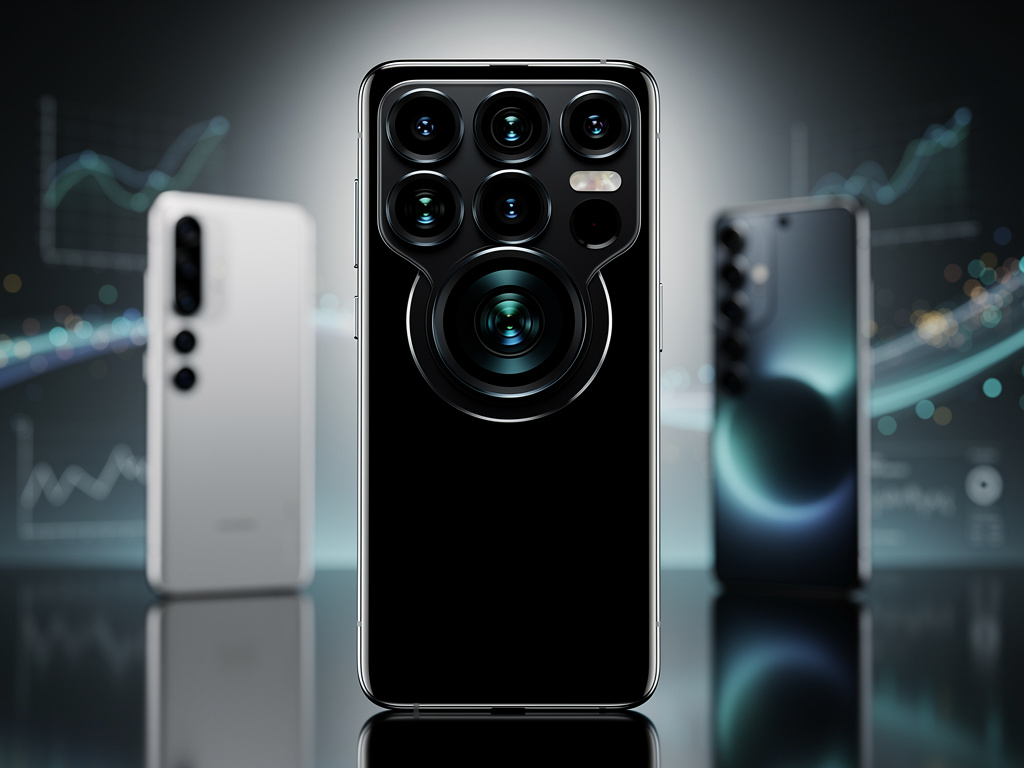
Samsung’s Camera Awakening: Leaks Herald a Major Shift for the Galaxy S27 Ultra
Samsung Electronics Co. has long dominated the high-end smartphone market with its Galaxy S series, but recent years have seen critics accuse the company of complacency in one critical area: camera technology. As competitors like Apple Inc. and Google push boundaries with innovative sensors and computational photography, Samsung’s flagships have often recycled hardware from previous generations. Now, fresh leaks indicate that the Galaxy S27 Ultra, slated for an early 2027 release, could mark a turning point with substantial upgrades to its imaging system. This development comes at a pivotal moment, as mobile photography continues to evolve rapidly amid intensifying rivalry.
The leaks originate from reliable sources within the tech community, painting a picture of Samsung finally addressing longstanding complaints. According to a post by tipster Ice Universe on X, formerly known as Twitter, the S27 Ultra is poised to replace its main camera sensor, ultra-wide lens, and front-facing camera, while leaving the telephoto unit unchanged. This selective overhaul suggests a strategic focus on core shooting capabilities that users rely on most frequently. Industry observers note that such changes could help Samsung reclaim its edge in a field where software enhancements alone are no longer sufficient to wow consumers.
Building on this, reports from various outlets corroborate the buzz. For instance, Android Authority details how these updates represent a departure from Samsung’s “lazy camera strategy,” potentially equipping the device with cutting-edge hardware to tackle growing competition. The article highlights the need for Samsung to innovate amid pressure from devices like the iPhone and Pixel series, which have introduced features such as advanced night mode and AI-driven editing tools.
Evolving Hardware in a Stagnant Lineup
In contrast to the anticipated S27 Ultra refresh, Samsung’s upcoming Galaxy S26 Ultra appears set to inherit much of its camera setup from predecessors. Leaks from sites like Sammy Fans indicate that the S26 will retain the majority of its imaging components, a decision that has drawn criticism for lacking ambition. This conservative approach has been a pattern for Samsung, with models like the S24 and S25 Ultras reusing sensors such as the 200-megapixel ISOCELL HP2, originally debuted in the S23 Ultra.
The persistence of this hardware recycling has frustrated enthusiasts who expect annual leaps in performance. Posts on X from users and analysts alike express disappointment, with some speculating that cost-cutting measures or supply chain constraints might be at play. However, the rumored S27 upgrades signal that Samsung may be gearing up for a more aggressive cycle, possibly incorporating newer sensors developed in partnership with Sony or its own semiconductor division.
Further insights from PhoneArena underscore the timing of these changes. The outlet notes that just as Sony unveils its latest 200-megapixel sensor, Samsung seems poised to integrate similar technology, albeit with custom tweaks. This could result in improved low-light performance, faster autofocus, and higher dynamic range, addressing pain points that have plagued earlier Galaxy models during real-world testing.
Competitive Pressures Driving Change
The impetus for this camera revamp likely stems from broader market dynamics. Rivals have been aggressive in their pursuits: Apple’s iPhone 16 series introduced a 48-megapixel ultra-wide camera, while Google’s Pixel 9 boasts enhanced AI for scene optimization. Samsung, traditionally a leader in megapixel counts, has seen its advantages erode as software becomes the differentiator. Analysts at firms like Counterpoint Research suggest that without hardware innovation, Samsung risks losing ground in premium segments where photography is a key selling point.
Leaked specifications from X posts, including those by tech enthusiast Jason C., speculate on the S27 Ultra’s potential setup. Projections include a 200-megapixel main sensor with advanced stacking technology, a 50-megapixel ultra-wide for broader vistas, and a upgraded 12-megapixel or higher front camera for sharper selfies and video calls. These details, while unconfirmed, align with Samsung’s history of pushing resolution boundaries, potentially enabling features like 8K video recording with minimal noise.
Moreover, NotebookCheck initially reported conflicting rumors about sensor adoption but later updates point to a comprehensive overhaul. The site’s analysis suggests that Samsung’s decision to refresh three out of four cameras could be a response to consumer feedback gathered through forums and reviews, where users have clamored for better color accuracy and reduced over-processing in images.
Implications for Software and AI Integration
Beyond hardware, the S27 Ultra’s camera upgrades are expected to synergize with Samsung’s advancing software ecosystem. The company’s One UI interface, powered by artificial intelligence, has already introduced tools like object eraser and photo remastering. A refreshed sensor array could enhance these features, allowing for more precise AI-driven enhancements, such as real-time scene recognition that adapts to lighting conditions on the fly.
Industry insiders speculate that Samsung might leverage its partnership with Qualcomm for the Snapdragon chipset to optimize camera processing. This could mean faster burst modes and improved computational photography, rivaling what’s seen in devices from Huawei or Xiaomi. Posts on X from accounts like Tech Home highlight expectations for larger apertures in the S27 lineup, which would boost light intake and elevate performance in dim environments.
Drawing from Sammy Fans, the leaks emphasize a “massive upgrade cycle” for the S27 Ultra, potentially including hybrid shutter designs for versatile shooting modes. Such innovations could appeal to professional photographers who use smartphones as secondary tools, bridging the gap between consumer devices and dedicated cameras.
Market Reception and Consumer Expectations
Early reactions to these leaks have been mixed but largely optimistic. On platforms like Reddit, threads in subreddits dedicated to Samsung devices buzz with discussions about how these changes might influence purchasing decisions. Users who skipped the S26 due to stagnant cameras express renewed interest, viewing the S27 as a worthy successor to the groundbreaking S23 Ultra.
Competitive analysis from Beebom Gadgets warns that reusing old sensors in the S27 would have been a misstep, especially as brands like Vivo and Oppo introduce periscope lenses with unprecedented zoom capabilities. Samsung’s choice to maintain the telephoto unchanged might be a calculated risk, preserving proven technology while innovating elsewhere to control costs.
Furthermore, global economic factors play a role. With inflation affecting consumer spending, Samsung must justify premium pricing through tangible improvements. Leaks suggest the S27 Ultra could command a higher price point, but enhanced cameras might sway buyers seeking value in everyday utility like social media content creation or family documentation.
Historical Context and Future Trajectories
Looking back, Samsung’s camera journey has been one of peaks and plateaus. The introduction of 108-megapixel sensors in the S20 Ultra set a new standard, but subsequent iterations refined rather than revolutionized. This pattern has led to perceptions of incrementalism, as noted in analyses from SamMobile, which posits that the S27 could deliver the upgrades fans have anticipated for years.
X posts from leakers like Ice Universe, who have a track record of accuracy, lend credibility to these rumors. Their concise updates—such as confirming replacements for main, ultra-wide, and front cameras—have sparked widespread speculation about sensor specifics, including potential collaborations with sensor giants.
As the industry awaits official announcements, these leaks underscore Samsung’s responsiveness to feedback. By targeting key areas for improvement, the company aims to fortify its position in a crowded field, ensuring the Galaxy S27 Ultra not only competes but leads in imaging prowess.
Strategic Shifts and Industry Ripples
This potential overhaul extends beyond Samsung’s portfolio, influencing suppliers and partners. Sensor manufacturers like Sony stand to benefit from increased demand, as hinted in reports from Khogendra Rupini, which discusses redesigned camera modules that could accommodate advanced hardware despite ergonomic challenges.
Consumer sentiment, gauged through social media, reveals a desire for authenticity in photography. With AI-generated content proliferating, users value hardware that captures genuine moments with fidelity. Samsung’s upgrades could cater to this by enhancing raw image quality before software interventions.
In the broader tech ecosystem, such moves by Samsung might pressure competitors to accelerate their own innovations, fostering a cycle of advancement that benefits end-users. As details emerge, the S27 Ultra’s camera story will likely evolve, but current leaks paint an encouraging picture of renewal.
Anticipating the Unveiling
While speculation abounds, Samsung’s history of surprises means nothing is set in stone until launch. Early projections from X users like Rajbir Singh outline a focused refresh, emphasizing main and ultra-wide improvements as game-changers for versatility.
Integrating these hardware boosts with ecosystem features, such as seamless editing in Galaxy AI, could create a compelling package. For industry watchers, this represents Samsung’s bid to redefine flagship standards.
Ultimately, if these leaks hold true, the Galaxy S27 Ultra may emerge as a beacon of innovation, reminding the world why Samsung remains a titan in mobile technology. As we approach 2027, all eyes will be on how these camera enhancements translate to real-world excellence.


 WebProNews is an iEntry Publication