
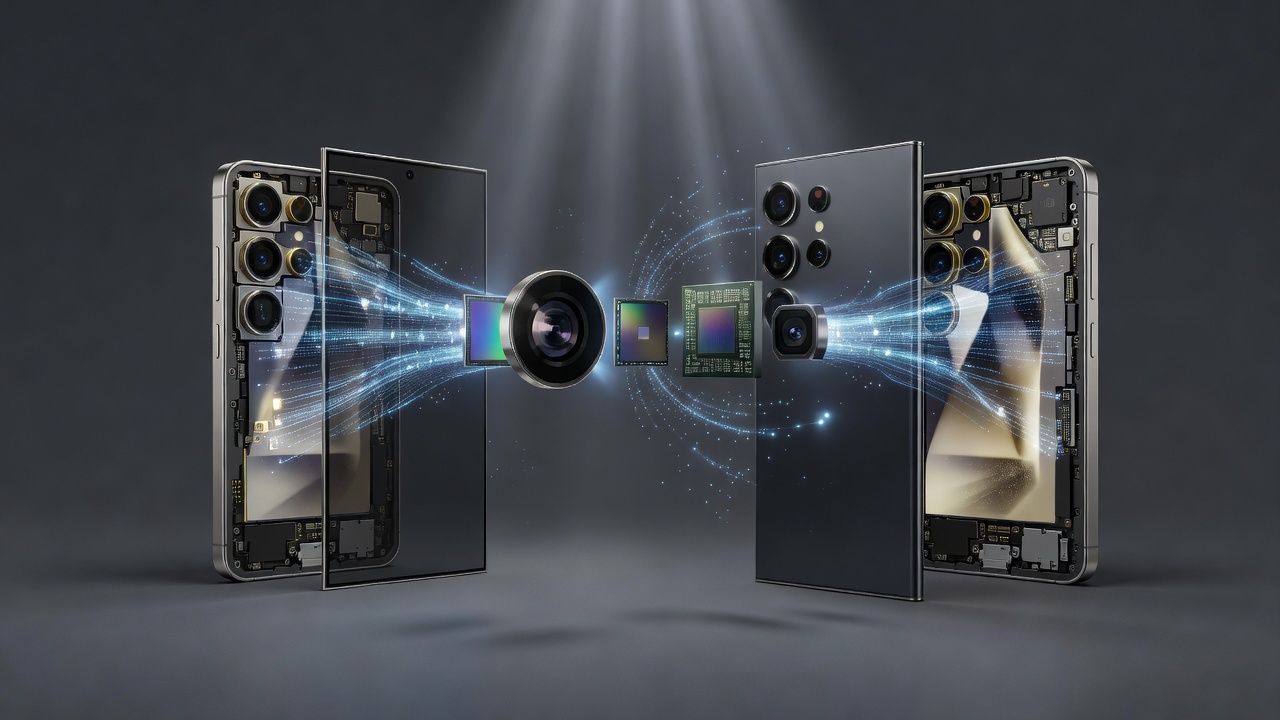
The Samsung Galaxy S27 series is expected to bring meaningful improvements to its front-facing camera system, particularly in the Pro and Ultra models. According to a recent report from Android Authority, the upcoming flagship phones could feature a significantly upgraded 50-megapixel selfie camera, marking a substantial step forward from the 12-megapixel sensors found in the Galaxy S25 series.
This potential upgrade aligns with Samsung’s pattern of gradually enhancing its front camera hardware across generations. The current Galaxy S25 Ultra relies on a 12-megapixel unit that, while competent, has begun to show its age compared with competitors offering higher resolution selfie cameras. Moving to a 50-megapixel sensor would allow for greater detail capture, improved performance in varied lighting conditions, and better overall image quality that matches the impressive rear camera systems Samsung has refined over recent years.
Industry analysts suggest the new sensor would likely measure around 1/2.52-inch in size, an increase from the existing 1/3.2-inch module. This larger physical dimension provides each pixel with more surface area to collect light, which directly translates to reduced noise and better dynamic range in photos. The higher resolution also enables more flexible cropping options without sacrificing sharpness, giving users additional creative control when framing portraits or group shots.
Beyond raw pixel counts, the front camera upgrade is anticipated to incorporate advanced pixel-binning technology. By combining information from multiple pixels into one, the system can produce cleaner 12.5-megapixel images that retain excellent low-light performance while still offering the option to shoot at full 50-megapixel resolution when conditions permit. This dual approach addresses a common complaint about high-resolution sensors, which sometimes struggle in dim environments without proper processing support.
The Android Authority article highlights that Samsung may pair this new hardware with an improved aperture, possibly f/2.0 or wider, to gather even more light. Such an adjustment would enhance the camera’s ability to create natural bokeh effects in portrait mode, making background blur appear more organic rather than artificially imposed through software alone. Users who frequently take selfies in indoor settings or during evening hours stand to benefit most from these optical improvements.
Software enhancements are expected to accompany the hardware changes. Samsung’s long-standing partnership with Qualcomm suggests the Galaxy S27 series will utilize the latest Snapdragon image signal processors, which offer superior noise reduction algorithms and faster computational photography capabilities. These processors can apply real-time adjustments to skin tones, texture preservation, and edge detection around hair and clothing details, areas where previous generations sometimes produced overly smoothed or artificial-looking results.
The anticipated 50-megapixel front camera would also support higher-quality video recording from the selfie perspective. Current Galaxy S series phones top out at 4K60fps for front-facing video, but the increased resolution and improved sensor readout speeds could enable 8K recording or enhanced 4K footage with better stabilization and detail retention. Content creators who rely on their phones for vlogging, streaming, or video calls would appreciate the added clarity and professional appearance this upgrade provides.
Another area of focus involves low-light performance, which has historically been a weak point for many smartphone selfie cameras. The combination of a larger sensor, wider aperture, and advanced processing should allow the Galaxy S27 Pro and Ultra to capture usable images in conditions that would previously result in grainy or underexposed shots. Night mode specifically tailored for the front camera could automatically activate in challenging lighting, balancing ambient light with artificial fill from the display or dedicated LED elements.
Samsung’s design team faces interesting challenges in implementing this larger camera module while maintaining the phone’s sleek aesthetic. The punch-hole cutout for the front camera might need slight enlargement to accommodate the new sensor stack, though manufacturers have become increasingly adept at minimizing visual disruption. Some speculation suggests the company could explore under-display camera technology for the S27 series, though the Android Authority report indicates a traditional punch-hole design remains more likely given current technical limitations around image quality with under-screen solutions.
Integration with other phone features represents another dimension of this upgrade. The higher resolution selfie camera pairs naturally with Samsung’s advanced facial recognition systems, potentially offering more secure and reliable authentication even in difficult lighting. Users who depend on their phones for mobile payments, secure app access, or device unlocking would experience fewer false negatives or the need to input passcodes as backup.
The camera’s capabilities extend beyond still photography into augmented reality applications. A more powerful front sensor improves the accuracy of face tracking, expression detection, and depth mapping required for AR filters, virtual try-on experiences, and immersive social media effects. Developers creating applications for the Galaxy S27 series will have access to richer data streams from the front camera, enabling more sophisticated and responsive AR features.
Battery life considerations also come into play with any camera upgrade. Higher resolution sensors typically demand more processing power, which could impact energy consumption during extended video calls or photography sessions. Samsung is expected to address this through more efficient image processing chips and software optimizations that activate full resolution mode only when necessary. The larger batteries rumored for the S27 Ultra should help offset any increased power draw from the enhanced camera system.
Market positioning forms an essential part of Samsung’s decision to upgrade the front camera. While many consumers focus primarily on rear camera performance, the selfie camera has gained prominence as social media platforms emphasize front-facing content creation. By offering a 50-megapixel sensor in its premium models, Samsung aims to appeal to users who regularly post high-quality self-portraits, participate in video conferences, or create content for platforms like Instagram, TikTok, and YouTube.
Competitive pressure also drives this development. Apple has maintained relatively conservative front camera specifications in recent iPhone models, but Chinese manufacturers like Xiaomi, Oppo, and Vivo have pushed boundaries with high-resolution selfie cameras in their flagship devices. Samsung likely wants to ensure its Galaxy S series remains competitive in global markets where camera specifications heavily influence purchasing decisions.
The upgrade timeline fits with Samsung’s typical development cycle. The company usually reveals its new flagship series in January or February, meaning the Galaxy S27 models could appear as early as January 2026. Suppliers are already preparing the necessary components, with production of the 50-megapixel front camera modules reportedly ramping up in anticipation of substantial orders from Samsung.
Early prototypes suggest the new front camera will maintain the same 2x optical quality zoom capability through sensor cropping that users have come to expect from recent Ultra models. This feature has proven popular for taking more flattering headshots without forcing users to hold their phones at arm’s length. The higher base resolution makes digital zoom more viable, reducing the quality loss typically associated with cropping into lower resolution images.
Color science represents another area where the upgraded camera should show marked improvement. Samsung has invested heavily in tuning its processing algorithms to produce natural skin tones across different ethnicities and lighting conditions. The additional data provided by a 50-megapixel sensor allows for more precise color reproduction and finer gradations in subtle skin textures, reducing the plastic or overly processed appearance that sometimes affects smartphone portraits.
Professional reviewers who have examined similar high-resolution front cameras in other devices consistently praise the flexibility they offer. Photographers can choose between maximum detail for print-worthy images or optimized files for social media sharing. This versatility makes the phone more appealing to both casual users and those with more serious creative ambitions.
The anticipated improvements extend to video call quality as well. Platforms like Zoom, Microsoft Teams, and Google Meet will benefit from the enhanced resolution and better low-light performance, making remote workers appear more professional during important meetings. The camera’s ability to maintain sharpness and accurate colors even in home office environments with mixed lighting sources adds practical value beyond pure photography enthusiasts.
Samsung’s history with camera development shows a company that listens to user feedback and makes incremental but meaningful adjustments with each generation. The jump from 12 megapixels to 50 represents one of the more significant leaps in recent years for the company’s front camera technology. If the implementation matches the promise suggested in current reports, the Galaxy S27 Pro and Ultra could set new standards for selfie camera performance in the Android space.
As development continues, additional details about supporting features like improved stabilization, specialized shooting modes, and integration with Galaxy AI functions will likely emerge. The combination of powerful hardware and intelligent software processing typically defines Samsung’s approach to mobile photography, and the front camera appears poised to receive the same comprehensive treatment as the rear systems.
The potential 50-megapixel front camera in the Galaxy S27 series reflects Samsung’s commitment to balanced innovation across all aspects of its flagship phones. Rather than focusing exclusively on rear cameras or display technology, the company recognizes that the front-facing sensor plays an increasingly central role in how people interact with and capture moments using their devices. This upgrade, if realized as described, would address long-standing limitations while opening new possibilities for photography, video creation, and everyday communication.


 WebProNews is an iEntry Publication