
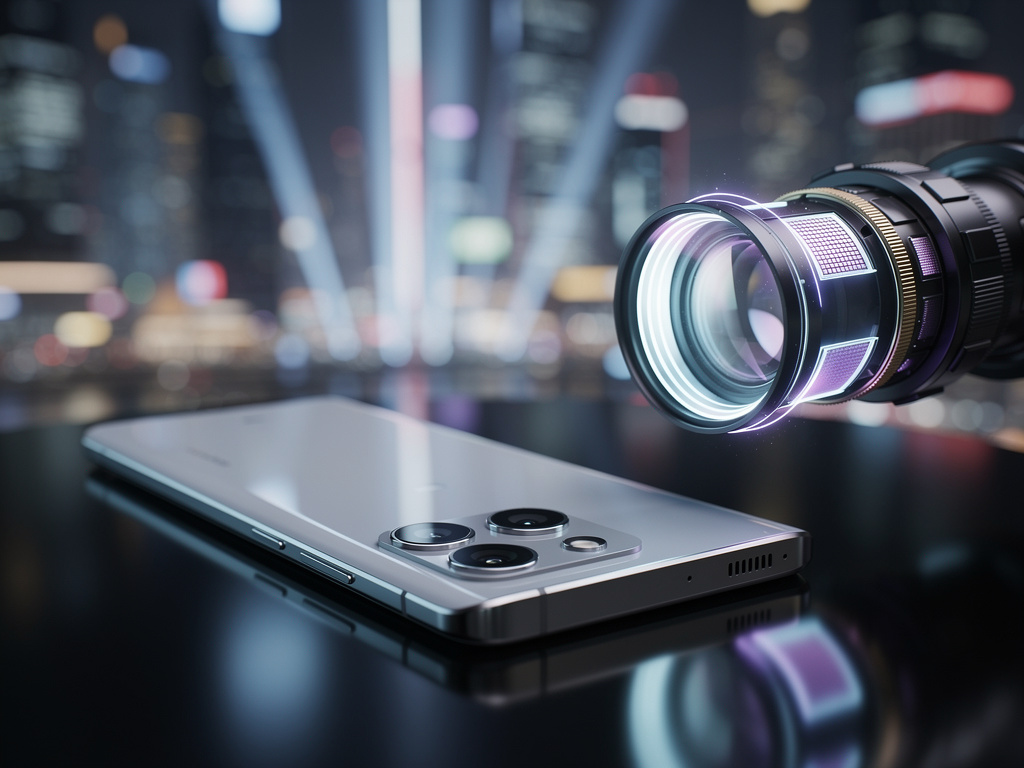
Samsung’s Lens Flare Crusade: How the Galaxy S26 Ultra Aims to Revolutionize Smartphone Photography
In the ever-evolving arena of smartphone cameras, where every pixel and aperture tweak can spark heated debates among tech enthusiasts, Samsung is poised to tackle one of the most persistent nuisances plaguing mobile photography: lens flare. Recent leaks suggest the Galaxy S26 Ultra, expected to debut in early 2026, will incorporate advanced lens coatings to minimize this optical artifact, potentially setting a new benchmark for image clarity in challenging lighting conditions. This move comes as Samsung seeks to refine its flagship device’s imaging capabilities without overhauling the underlying hardware, focusing instead on subtle yet impactful optimizations.
Lens flare, that unwelcome ghostly glow or streak that appears when bright light sources hit the camera lens at certain angles, has been a thorn in the side of smartphone users for years. It’s particularly noticeable in night shots or when photographing against the sun, often turning what could be a stunning image into a hazy disappointment. According to insights from reliable tipsters, Samsung’s approach involves deploying a novel anti-reflective coating on the S26 Ultra’s lenses, a technology that could dramatically reduce these intrusions. This isn’t just about aesthetics; it’s a strategic play to enhance user satisfaction in real-world scenarios, where unpredictable lighting is the norm.
The buzz around these improvements stems from multiple sources, including a detailed report from Android Authority, which highlights how the S26 Ultra might address not only lens flare but also issues like unnatural yellow skin tones in portraits. By refining color processing algorithms, Samsung aims to deliver more accurate and lifelike representations, especially in diverse lighting setups. This comes at a time when competitors like Apple have faced criticism for similar optical shortcomings, giving Samsung an opportunity to differentiate its offerings.
Refining Optics in a Competitive Field
Beyond lens flare, the Galaxy S26 Ultra is rumored to maintain much of the same sensor lineup as its predecessor, the S25 Ultra, but with key tweaks to apertures and processing. For instance, a wider aperture on the primary shooter is expected to boost low-light performance, allowing more light to reach the sensor without increasing noise levels. This balanced approach underscores Samsung’s philosophy of iterative refinement rather than radical reinvention, a strategy that has kept its Ultra series at the forefront of premium smartphones.
Industry insiders point out that while hardware remains largely consistent—featuring a 200MP main sensor, 50MP ultrawide, and telephoto options—the real magic lies in software and optical enhancements. Posts on X from tech leakers emphasize how previous models, like the S24 Ultra, suffered from artifacts in night mode or halos around bright objects, issues that Samsung appears determined to eradicate. These social media discussions reflect a growing user frustration with persistent camera quirks, pushing manufacturers to prioritize fixes over flashy new features.
Drawing from a leak shared via GSMArena, the new lens design specifically targets flare reduction, potentially using multi-layer coatings similar to those in professional photography gear. This could involve nanotechnology that scatters light more effectively, minimizing internal reflections within the lens stack. Such advancements aren’t entirely new—rival brands have experimented with them—but Samsung’s implementation might integrate seamlessly with its AI-driven image processing, offering users cleaner shots straight out of the camera.
Addressing User Pain Points Head-On
One of the more intriguing aspects is the rumored fix for yellow-tinted skin tones, a complaint that has dogged Samsung’s cameras in portraits, especially under artificial lighting. By adjusting white balance and color calibration, the S26 Ultra could produce more neutral and flattering results, appealing to social media users and casual photographers alike. This ties into broader trends in smartphone imaging, where authenticity in color reproduction is becoming a key selling point.
Further details from NotebookCheck suggest that Samsung’s focus on optics stems from feedback loops with users and beta testers, ensuring that the S26 Ultra isn’t just a spec sheet upgrade but a response to real-world usage. For example, in low-light environments, where flare is exacerbated by streetlights or indoor bulbs, the new coatings could preserve detail in shadows without introducing unwanted glare. This is particularly relevant for video recording, where consistent performance across frames is crucial.
X posts from photography enthusiasts highlight comparative tests between current flagships, often noting how iPhones exhibit pronounced flare in backlit scenes, a vulnerability Samsung might exploit in marketing. These online conversations underscore the community’s demand for reliability, with many users expressing hope that the S26 Ultra will finally deliver on promises of “pro-grade” photography without the caveats.
The Broader Implications for Smartphone Innovation
Samsung’s strategy also includes efforts to slim down the device, as reported in Android Central, which mentions the adoption of compact lens modules to maintain a sleek profile while enhancing capabilities. This balancing act between form and function is critical in a market where consumers prioritize portability alongside performance. By optimizing lens thickness without compromising on quality, Samsung could set a precedent for future designs, influencing how other manufacturers approach camera integration.
In terms of video features, leaks indicate potential support for advanced RAW formats and improved stabilization, building on the S25 Ultra’s foundation. A piece from Gadgets 360 claims these upgrades will include better dynamic range in recordings, reducing the need for post-production edits. This positions the S26 Ultra as a versatile tool for content creators, from vloggers to amateur filmmakers, who often grapple with optical inconsistencies in mobile setups.
Moreover, the emphasis on flare reduction aligns with emerging technologies like computational photography, where AI algorithms can predict and mitigate artifacts in real-time. Referencing Android Authority again, this integration could mean that even in high-contrast situations, the camera app intelligently adjusts exposure to avoid overblown highlights, resulting in more balanced compositions.
Lessons from Past Iterations and Future Prospects
Looking back at the Galaxy S24 Ultra, issues like lens switching artifacts and processing anomalies in night mode, as discussed in various X threads, have informed Samsung’s current direction. Users reported temporary afterimages during zoom transitions, a software glitch that highlighted the complexities of fusing images from multiple lenses. By addressing these in the S26 Ultra, Samsung demonstrates a commitment to continuous improvement, learning from user feedback to refine its ecosystem.
A forward-looking analysis in TechRadar outlines how the S26 Ultra could redefine camera phones by prioritizing usability over sheer megapixel counts. The article suggests incorporating features like enhanced low-light video and adaptive apertures, which would complement the anti-flare lenses and push the boundaries of what’s possible in handheld devices.
Industry experts speculate that these changes could ripple through the supply chain, encouraging lens manufacturers to innovate in anti-reflective materials. Posts on X from leakers like Ice Universe have critiqued past hardware inconsistencies, such as halos in telephoto shots, reinforcing the need for quality control in premium devices.
Pushing Boundaries in Low-Light Mastery
Delving deeper into low-light capabilities, the S26 Ultra’s rumored wider primary aperture promises to capture more ambient light, reducing reliance on artificial boosts that can introduce noise or color shifts. This is especially pertinent for urban photography, where mixed lighting sources abound, and flare can obscure fine details. By combining this with advanced coatings, Samsung might achieve a level of clarity that rivals dedicated cameras.
From Android Police, we learn that Samsung plans to tackle two major annoyances: flare and inconsistent skin tones, potentially through firmware updates that extend to older models. This holistic approach not only benefits new buyers but also builds brand loyalty by supporting legacy hardware.
Social media sentiment on X reveals excitement mixed with skepticism, with users recalling how previous promises fell short. Yet, if Samsung delivers, it could shift perceptions, positioning the S26 Ultra as the go-to device for photographers who demand precision without bulk.
Strategic Positioning Against Rivals
In comparison to Apple’s ecosystem, where lens flare remains a noted drawback, Samsung’s fixes could provide a competitive edge. The Android Authority report contrasts this directly, noting how the S26 Ultra might outshine iPhones in scenarios prone to optical interference. This rivalry drives innovation, with each company vying to capture the enthusiast market.
Additionally, explorations in PhoneArena detail potential big and small improvements, from enhanced video support to refined color accuracy, suggesting a comprehensive upgrade path. These elements could make the S26 Ultra a staple for professionals needing reliable performance in varied conditions.
Finally, as Samsung navigates the demands of a discerning audience, the Galaxy S26 Ultra represents a pivotal step in maturing smartphone cameras. By confronting longstanding issues like lens flare head-on, the company not only elevates its product but also contributes to the ongoing evolution of mobile imaging technology, promising users a clearer view of the world through their devices.


 WebProNews is an iEntry Publication