
Samsung’s Magnetic Shift: Decoding the Galaxy S26 Accessories Overhaul
Samsung Electronics Co. is poised to redefine smartphone integration with a suite of magnetic accessories for its upcoming Galaxy S26 series, according to recent leaks that have sent ripples through the tech industry. The revelations suggest a strategic embrace of the Qi2 wireless charging standard, potentially bridging the gap with competitors like Apple Inc., which has long dominated with its MagSafe ecosystem. This move could mark a pivotal evolution in how users interact with their devices, emphasizing seamless attachment and enhanced functionality.
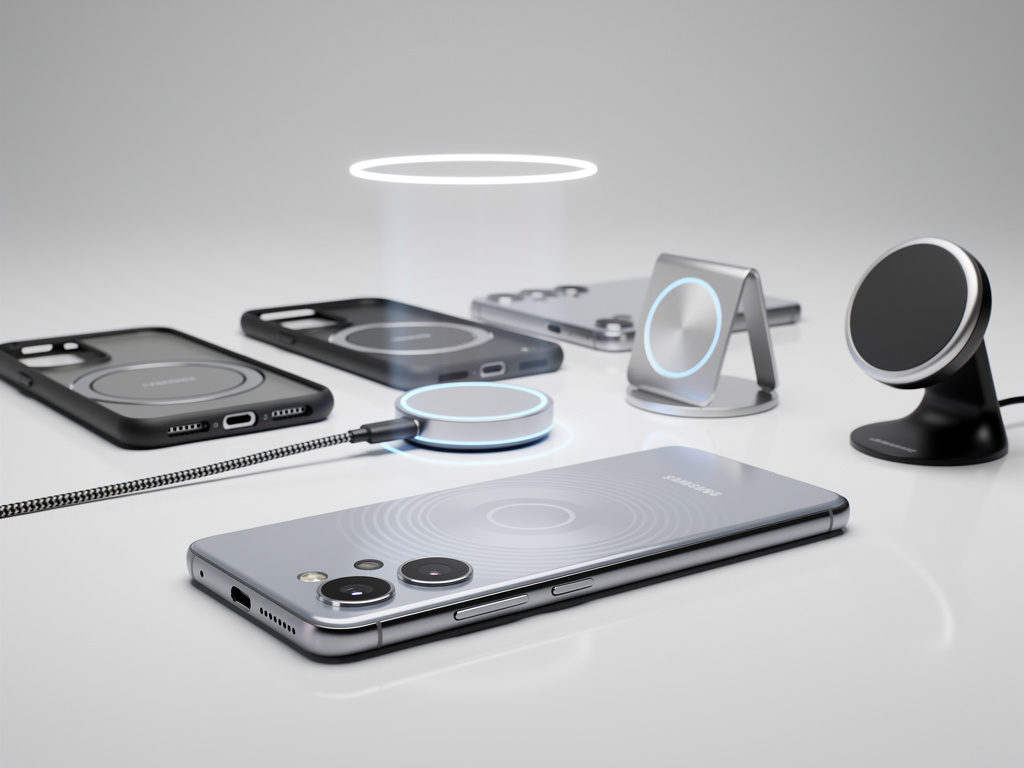
Details emerged from various sources, painting a picture of Samsung’s ambitious plans. A leak highlighted on Android Central describes a lineup including magnetic cases in carbon and silicone variants, alongside innovative dual-magnet holder rings. These accessories are designed to leverage built-in magnets in the Galaxy S26, S26 Plus, and S26 Ultra models, enabling effortless snapping onto chargers, stands, and other peripherals.
Industry observers note that this isn’t just about convenience; it’s a calculated response to market demands for interoperability. With Qi2’s magnetic alignment promising faster and more efficient wireless charging, Samsung appears ready to challenge Apple’s stronghold in accessory ecosystems. The leaks also point to new wireless chargers and ring holders, expanding the possibilities for users in automotive, desktop, and portable scenarios.
Embracing Qi2: A Strategic Pivot for Samsung
The adoption of Qi2 represents a significant upgrade from previous Galaxy models, which relied on the older Qi standard without magnetic precision. Sources indicate that Samsung’s decision aligns with broader industry trends toward standardized wireless power transfer, potentially reducing fragmentation in the accessory market. This could encourage third-party manufacturers to develop compatible products, fostering a more robust ecosystem around Android devices.
Further insights from NotebookCheck.net reveal that the magnetic accessories will include specialized options for each S26 variant, ensuring tailored fits that maintain the phones’ sleek designs. The inclusion of a magnetic ring holder suggests applications beyond charging, such as secure mounting for video calls or navigation.
Analysts speculate that this push stems from competitive pressures. Apple’s MagSafe, introduced in 2020, has created a lucrative aftermarket for accessories, generating substantial revenue. By mirroring this with Qi2, Samsung aims to capture similar consumer loyalty and accessory sales, potentially boosting its margins in a saturated smartphone sector.
Leaked Lineup: From Cases to Chargers
Diving deeper into the specifics, the leaked accessories encompass a variety of form factors. PhoneArena’s coverage in this article lists half a dozen first-party items, all centered on magnetic technology. Among them are protective cases that not only shield the device but also enhance grip and stability when attached to magnetic surfaces.
Additionally, new details from Sammy Fans emphasize how these magnets facilitate quick attachments, reducing wear on charging ports and promoting wireless solutions. This aligns with Samsung’s ongoing efforts to improve device longevity and user experience, especially in an era where consumers expect multi-year support for their investments.
The leaks also touch on aesthetic and material choices. Carbon fiber cases offer a premium, lightweight feel, while silicone options provide flexibility and shock absorption. Such diversity caters to different user preferences, from professionals seeking durability to casual users prioritizing comfort.
Beyond Accessories: Implications for Galaxy S26 Hardware
These accessory revelations inadvertently shed light on the Galaxy S26’s underlying hardware. To support magnetic alignment, the phones must incorporate compatible coils and magnets, a feature confirmed across multiple reports. This integration could influence battery design and internal layout, potentially allowing for slimmer profiles without sacrificing power capacity.
A broader leak discussed in Tom’s Guide outlines key specs, including advanced displays and processors, but the accessory focus underscores Samsung’s holistic approach. By bundling hardware advancements with ecosystem enhancements, the company is positioning the S26 series as more than just phones— they’re hubs for interconnected devices.
Moreover, industry insiders point to potential software integrations. Samsung’s One UI could optimize for these accessories, offering features like automatic mode switching when a device is magnetically mounted, such as activating car mode for navigation apps.
Market Reactions and Competitive Dynamics
Sentiment on social platforms like X reflects excitement mixed with speculation. Posts from tech enthusiasts highlight anticipation for MagSafe-like functionality on Android, with some users praising Samsung for finally catching up. This buzz could translate to stronger pre-order numbers, especially among those frustrated with proprietary ecosystems.
In contrast, competitors like Google and other Android makers may feel compelled to accelerate their own Qi2 implementations. The standard’s open nature, backed by the Wireless Power Consortium, levels the playing field, but Samsung’s early mover advantage in premium accessories could set a benchmark.
Economic factors also play a role. With rising component costs, as noted in a Gadgets 360 report, Samsung is balancing innovation with affordability. By focusing on accessories rather than overhauling core hardware like cameras, the company maintains competitive pricing while adding value through peripherals.
Technical Deep Dive: Qi2’s Role in Efficiency
At its core, Qi2 enhances wireless charging by incorporating magnets for precise alignment, reducing energy loss and heat buildup. This is particularly beneficial for high-power charging, where misalignment can lead to inefficiencies. Samsung’s implementation could support up to 15W charging speeds, matching or exceeding current standards.
Leakers have detailed how the dual-magnet holder ring might function as a versatile stand, allowing for adjustable angles in landscape or portrait orientations—ideal for content consumption or productivity tasks. This accessory, in particular, exemplifies Samsung’s intent to blend utility with innovation.
Furthermore, the expansion to magnetic wireless chargers suggests compatibility with existing Qi2 ecosystems, potentially allowing Galaxy users to mix and match with third-party products. This interoperability is crucial for adoption, as it avoids locking consumers into Samsung-only accessories.
Future Prospects: Ecosystem Expansion
Looking ahead, these leaks hint at Samsung’s broader vision for a connected world. Integration with smart home devices, wearables, and even automotive systems could follow, leveraging the magnetic foundation. For instance, car mounts that securely hold the phone while charging wirelessly during drives.
Industry experts anticipate that this will spur developer interest, leading to apps optimized for magnetic states. From enhanced augmented reality experiences to automated workflows, the possibilities are vast.
However, challenges remain. Ensuring magnet strength doesn’t interfere with other components, like compasses or payment systems, will be key. Samsung’s track record in engineering suggests they’ve addressed these, but real-world testing will be the ultimate judge.
Consumer Perspectives and Adoption Hurdles
From a user standpoint, the appeal is clear: convenience without compromise. Early adopters on platforms like X are already discussing potential customizations, such as personalized ring holders or branded cases. This enthusiasm could drive initial sales, particularly in markets where accessory ecosystems influence purchasing decisions.
Yet, adoption might face hurdles in regions with varying wireless charging regulations or preferences for wired solutions. Samsung’s global reach will help, but educating consumers on Qi2 benefits will be essential through marketing campaigns.
Pricing strategies for these accessories will also determine success. If positioned affordably, they could become must-haves; otherwise, users might opt for cheaper alternatives, diluting the ecosystem’s impact.
Innovation in Context: Samsung’s Broader Strategy
This accessory overhaul fits into Samsung’s larger narrative of innovation amid intensifying competition. With rivals like Huawei and Xiaomi pushing boundaries in hardware, Samsung is differentiating through software and accessory synergies.
Reports from T3 suggest this could achieve parity with Apple, a long-sought goal. By emulating successful features while adding unique twists, Samsung strengthens its position in the premium segment.
Ultimately, the Galaxy S26 series, expected to launch in early 2026, represents a convergence of hardware prowess and ecosystem depth. These leaks not only build hype but also signal Samsung’s commitment to evolving user experiences in meaningful ways.
Industry Insider Insights: What’s Next for Accessories
For those in the tech sector, the implications extend to supply chains and partnerships. Samsung’s move could boost demand for magnetic components, benefiting suppliers and potentially lowering costs over time.
Collaborations with accessory makers might emerge, expanding the Qi2 footprint. This could lead to standardized designs, simplifying production and reducing environmental impact through modular, upgradable accessories.
As the launch approaches, more details will likely surface, refining our understanding of Samsung’s plans. For now, these leaks provide a compelling glimpse into a future where magnets play a central role in mobile technology.
The Galaxy S26 accessories saga underscores a shift toward integrated, user-centric design. By prioritizing magnetic versatility, Samsung is not just following trends but aiming to lead in creating cohesive device ecosystems that enhance daily life. As anticipation builds, the tech world watches closely, eager to see how this magnetic revolution unfolds.


 WebProNews is an iEntry Publication