
Samsung’s Magnetic Leap: Galaxy S26 Poised to Challenge Apple’s MagSafe Dominance
Samsung Electronics Co. is on the cusp of a significant shift in wireless charging technology with its upcoming Galaxy S26 series, potentially introducing built-in magnets that could rival Apple’s MagSafe system. Recent leaks indicate the South Korean giant is developing a 25W Qi2-compatible charger, marking a departure from its previous 15W limitations and signaling a broader embrace of magnetic alignment for Android devices. This move comes as smartphone makers increasingly prioritize seamless accessory ecosystems, with Samsung aiming to close the gap on Apple’s integrated hardware advantages.
The leaks, stemming from retailer databases and certification filings, suggest the Galaxy S26 lineup will feature integrated magnets directly in the phone bodies, eliminating the need for special cases to enable full magnetic charging. This upgrade promises faster wireless charging speeds—up to 25W for the premium Ultra model—and compatibility with a new suite of Samsung-branded magnetic accessories. Industry observers note this could transform how users interact with their devices, from effortless docking to enhanced power banks that snap on securely.
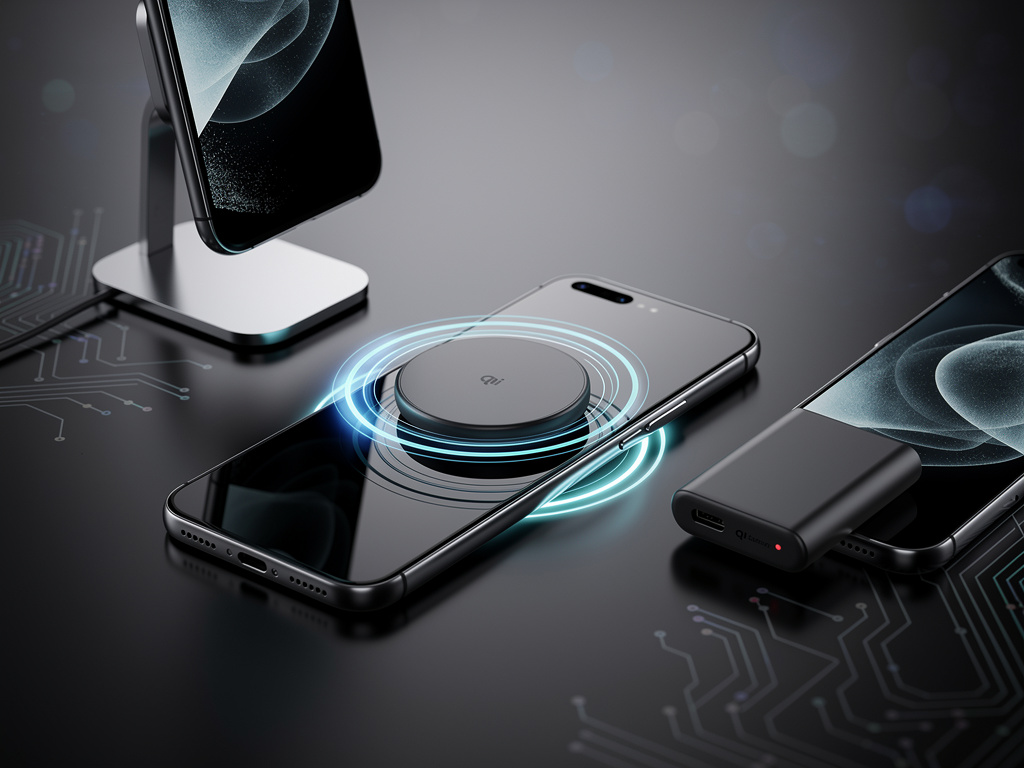
Drawing from details in a report by Android Central, the charger in question appears as a round, dark gray puck designed to support not just the S26 series but also Galaxy Z foldables and Buds earbuds. The publication highlights how this accessory, expected to launch alongside the phones in early 2026, represents Samsung’s first official foray into Qi2 with magnetic capabilities, building on the standard’s adoption since its announcement in 2023.
Unpacking the Qi2 Standard and Samsung’s Strategic Pivot
Qi2, the next-generation wireless charging protocol developed by the Wireless Power Consortium, incorporates magnetic alignment similar to Apple’s MagSafe, which debuted with the iPhone 12 in 2020. Unlike the original Qi standard, Qi2 ensures precise coil positioning for efficient power transfer, reducing heat and enabling faster charging. Samsung has dabbled in Qi2 readiness with cases for its S25 series, but the S26 leaks point to a more committed integration, potentially making magnetic charging a native feature across the lineup.
Analysts point out that this isn’t just about speed; it’s about ecosystem lock-in. Apple’s MagSafe has spawned a thriving market of wallets, stands, and car mounts that magnetically attach to iPhones, contributing to higher accessory sales and user retention. Samsung, facing stiff competition from Google’s Pixel series—which already supports Qi2 via its PixelSnap feature—seems poised to counter with its own magnetic accessories, including a leaked wireless power bank capable of 15W output.
Posts on X (formerly Twitter) from tech insiders like leakers and enthusiasts reflect growing excitement, with many speculating that the S26’s thinner design, rumored at 6.9mm for the base model, won’t compromise on this feature. One prominent post noted that while the S25 series topped out at 15W wireless charging without magnets, the S26 could double that for select models, addressing long-standing complaints about Samsung’s conservative approach to charging tech.
From Leaks to Market Implications: Speed, Compatibility, and Challenges
Delving deeper into the specifications, reports indicate the Galaxy S26 Ultra may achieve the full 25W wireless charging, while the standard S26 and S26+ could be limited to around 20W. This tiered approach mirrors Samsung’s strategy with wired charging, where the Ultra often gets premium features. A piece from Tom’s Guide elaborates on how this Qi2 implementation could finally deliver the “Android version of MagSafe,” complete with snap-on convenience that has eluded Galaxy users.
Compatibility extends beyond charging docks. Leaks suggest Samsung is preparing a “Magnet Wireless Battery Pack,” as detailed in a NotebookCheck.net article, which would magnetically adhere to the phone for on-the-go power. This accessory, certified by the Wireless Power Consortium, underscores Samsung’s intent to build a cohesive ecosystem, potentially including magnetic cases, stands, and even integration with smart home devices.
However, challenges remain. Wireless charging efficiency typically lags behind wired options, with heat management being a key concern. Samsung’s history of cautious innovation—sticking to 15W for years despite rivals like OnePlus offering 50W—suggests this upgrade is a calculated response to market pressures. Industry insiders whisper that regulatory hurdles, such as varying global standards for wireless power, could delay widespread adoption.
Competitive Pressures and Ecosystem Expansion
The broader industry context reveals Samsung isn’t operating in isolation. Google’s Pixel 10 series already boasts full Qi2 support with magnets, allowing for seamless attachment of chargers and accessories. Meanwhile, Apple’s MagSafe has evolved into a standard for third-party manufacturers, with companies like Belkin and Anker producing compatible products. Samsung’s entry could fragment the Android market further or, conversely, standardize magnetic charging across non-Apple devices.
Insights from Beebom Gadgets highlight potential for Samsung to sell additional magnetic accessories, such as car mounts or desk stands, boosting revenue streams. This mirrors Apple’s success, where MagSafe accessories reportedly generate billions in ancillary sales. For Samsung, which commands a significant share of the Android market, this could mean stronger brand loyalty among power users who value integrated tech.
On X, discussions among tech communities emphasize the S26’s potential to be slimmer yet more capable, with leaks showing a vertical camera pill design reminiscent of the Galaxy Z Fold 7. Users speculate this could lead to innovative use cases, like magnetic attachment for augmented reality glasses or enhanced DeX productivity modes.
Technical Deep Dive: Magnets, Coils, and Future-Proofing
At the heart of Qi2 is a magnetic ring that ensures chargers align perfectly with the phone’s coil, minimizing energy loss. For the Galaxy S26, this means embedding rare-earth magnets without adding bulk—a feat Samsung may achieve through advanced materials engineering. Reports from ABP Live suggest a move away from “Qi2 Ready” cases, embedding magnets directly to enable true 25W speeds, a substantial leap from the current 15W cap.
This integration raises questions about battery health and thermal performance. Faster charging generates more heat, potentially accelerating battery degradation. Samsung’s One UI software, known for adaptive charging algorithms, could mitigate this by optimizing power delivery based on usage patterns. Insiders predict firmware updates will play a crucial role in fine-tuning these features post-launch.
Moreover, the charger’s design, as leaked in retailer data via The Daily Jagran, includes a 25W output that surpasses competitors like the Pixel’s 23W, positioning Samsung as a leader in Android charging speeds. Compatibility with older Galaxy devices via adapters could broaden its appeal, though full benefits would require the new hardware.
Regulatory and Global Rollout Considerations
As Samsung prepares for a global launch, regulatory compliance will be key. The Qi2 standard, backed by the Wireless Power Consortium, ensures interoperability, but regional variations in power regulations—such as Europe’s push for universal chargers—could influence design choices. A Gadgets360 report notes the charger’s support for multiple device types, potentially streamlining Samsung’s accessory lineup.
In emerging markets, where wired charging remains dominant due to cost, this magnetic upgrade might be positioned as a premium feature. However, with Samsung’s aggressive pricing in regions like India and Southeast Asia, it could democratize advanced tech, much like how foldables have trickled down from flagships.
X posts from global tech accounts highlight anticipation in diverse markets, with some users in Asia expressing hope for bundled magnetic chargers to offset higher phone prices.
Innovation Trajectory and Long-Term Vision
Looking ahead, Samsung’s Qi2 adoption could pave the way for more ambitious features, such as reverse wireless charging at higher wattages or integration with electric vehicles for in-car docking. This aligns with the company’s broader push into AI and connected devices, where seamless power management enhances user experiences.
Comparisons to Apple’s ecosystem are inevitable, but Samsung’s open Android platform might attract more third-party innovation. As noted in a TechRadar piece, the S26’s rumored 6.9mm thickness with embedded magnets demonstrates engineering prowess, potentially setting a new benchmark for slim flagships.
Ultimately, this development underscores Samsung’s strategy to blend hardware innovation with ecosystem growth, challenging Apple’s hold while addressing user demands for faster, more convenient charging. As leaks continue to surface, the Galaxy S26 shapes up as a pivotal release in the ongoing evolution of mobile technology.


 WebProNews is an iEntry Publication