
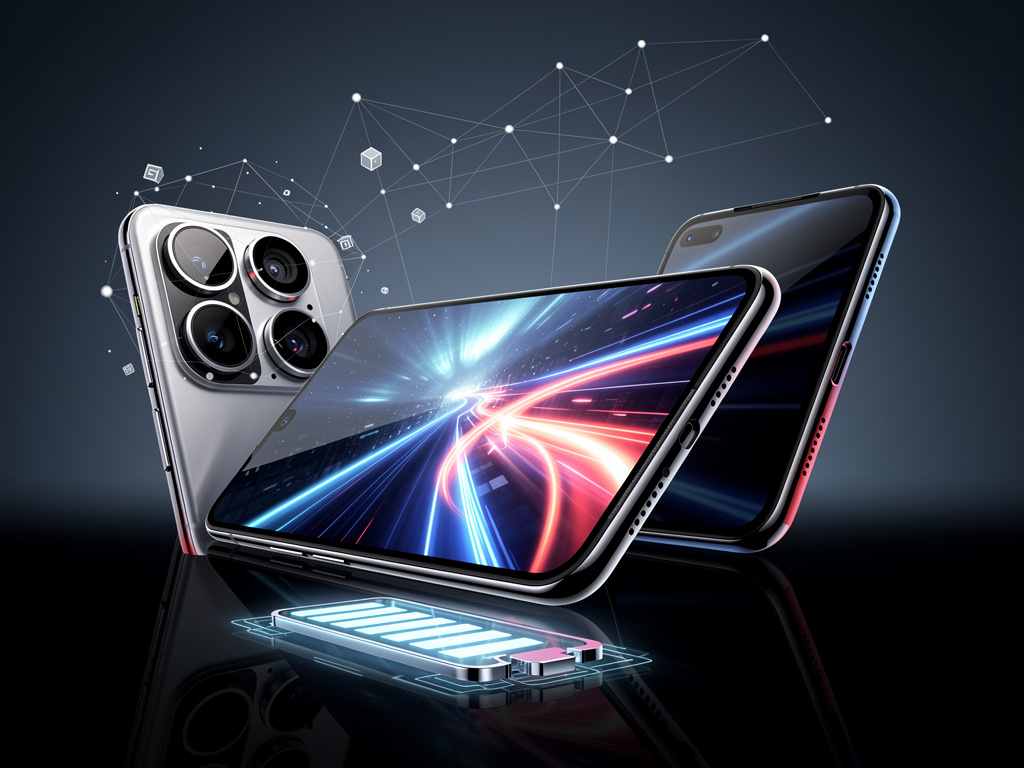
Samsung’s Galaxy S26: Pioneering Features Set to Redefine 2026 Smartphones
As Samsung gears up for the anticipated February 2026 launch of its Galaxy S26 series, industry observers are buzzing with speculation about how the lineup will push boundaries in mobile technology. Drawing from a mix of leaked specifications, regulatory filings, and expert analyses, the S26 promises to blend cutting-edge hardware with software refinements that could solidify Samsung’s position in a fiercely competitive market. While details remain fluid, recent reports highlight innovations in processing power, imaging capabilities, and user interface enhancements that aim to outpace rivals like Apple’s iPhone 18.
At the heart of these advancements is Samsung’s strategic pivot toward more efficient chipsets and display technologies, responding to consumer demands for longer battery life and seamless performance. Publications such as Forbes have noted the company’s FCC filings, which resolve debates over whether the S26 Ultra will feature Qualcomm’s Snapdragon or Samsung’s own Exynos processors. This choice underscores a broader effort to balance global supply chains and regional preferences, potentially giving the device an edge in power efficiency.
Beyond hardware, the S26 series is expected to introduce software features that enhance everyday usability, from remote file access to advanced security protocols. These elements, as detailed in sources like SlashGear, suggest Samsung is not just iterating on past models but innovating in ways that could influence the entire sector. For industry insiders, this represents a calculated bet on integrating AI-driven tools with robust physical specs, setting the stage for a device that might dominate sales charts.
Processor Powerhouse: Snapdragon and Exynos Duel
The processor debate has been a focal point, with leaks indicating a hybrid approach. In key markets like the U.S., the Galaxy S26 series is slated to harness Qualcomm’s Snapdragon 8 Elite Gen 5, a chipset praised for its 2nm process and enhanced neural processing unit (NPU). This upgrade, as reported by TechTimes, promises up to 30% better power efficiency and superior AI capabilities, enabling features like real-time language translation and advanced photo editing without draining the battery.
Conversely, in select regions, Samsung’s in-house Exynos 2600 will take center stage, featuring gate-all-around (GAA) transistor technology for improved thermal management. Posts on X from tech enthusiasts highlight this chip’s potential for sustained performance during intensive tasks, such as gaming or video rendering. This dual-strategy allows Samsung to mitigate rising component costs, a concern echoed in a Gadgets360 report, which warns of possible price hikes due to memory and silicon expenses.
For developers and enterprise users, these processors mean more than raw speed; they enable sophisticated on-device AI models that reduce reliance on cloud services, enhancing privacy and responsiveness. Industry analysts suggest this could position the S26 as a go-to device for professionals in fields like content creation, where quick processing of high-resolution media is crucial.
Camera Innovations: Beyond Megapixels
Shifting focus to imaging, the Galaxy S26 Ultra is rumored to boast a 200-megapixel primary sensor, building on Samsung’s legacy of high-resolution photography. This sensor, combined with upgraded ultra-wide and telephoto lenses—potentially 50MP for ultra-wide and a 50MP 5x periscope—aims to deliver unprecedented detail in low-light conditions and zoomed shots. According to PhoneArena, these enhancements include better optical image stabilization and AI-powered scene optimization, making it a formidable tool for both casual users and professional photographers.
The base S26 and S26 Plus models aren’t left behind, with expected 50MP main cameras and improved telephoto setups, such as a 12MP 3x lens replacing older 10MP variants. Leaks from X users point to slimmer designs that incorporate these cameras without compromising ergonomics, achieving a 6.9mm thickness while housing larger batteries. This integration reflects Samsung’s engineering prowess in miniaturizing components, a trend that could influence competitors to follow suit.
Moreover, software-driven features like enhanced night mode and real-time editing tools leverage the device’s NPU, allowing for on-the-fly adjustments that rival dedicated editing software. For insiders in the imaging industry, this signals a shift toward computational photography as a core differentiator, potentially reshaping how smartphones capture and process visual data in professional workflows.
Battery and Charging: Endurance Meets Speed
Battery life remains a perennial concern, and the S26 series addresses it head-on with capacities ranging from 4300mAh in the base model to 5000mAh in the Ultra. Reports from Android Central indicate these batteries will support faster charging—up to 60W wired for the Ultra and 45W for others—alongside Qi2 wireless charging with built-in magnets for MagSafe-like compatibility. This move not only caters to users seeking quick top-ups but also aligns with growing ecosystems of wireless accessories.
Innovations in thermal management, including new heat dissipation paths in the Exynos 2600, ensure these batteries perform under load without overheating. X posts from tech leakers emphasize the inclusion of 20W wireless charging across the lineup, a step up from predecessors, which could extend usability during extended gaming sessions or video calls.
From an industry perspective, these upgrades reflect Samsung’s response to consumer feedback on endurance, potentially setting new standards for flagship devices. Enterprises deploying mobile fleets might find the S26’s battery efficiency particularly appealing for field operations, reducing downtime and enhancing productivity.
Display Excellence: Brighter, Smoother Visions
The displays on the Galaxy S26 series are poised for significant leaps, with AMOLED panels featuring LTPO technology for adaptive refresh rates up to 120Hz. The Ultra model’s 6.9-inch QHD+ screen is expected to reach peak brightness levels that rival or exceed current leaders, as per insights from TechRadar. This brightness, combined with anti-reflective coatings, promises better visibility in direct sunlight, a boon for outdoor professionals.
Base models will sport 6.3-inch and 6.7-inch displays, respectively, with improvements in color accuracy and energy efficiency. Leaks suggest the integration of under-display cameras for a seamless front panel, minimizing bezels and enhancing immersion for media consumption and augmented reality applications.
For software developers, these displays open doors to more dynamic interfaces, supporting features like always-on displays with richer information. The emphasis on durability, including IP68 ratings, ensures these screens withstand real-world rigors, appealing to industries where devices face harsh environments.
Software Synergy: One UI 8.5 Unleashed
Samsung’s One UI 8.5, based on Android 16, introduces a suite of features that elevate the user experience. Highlights include Auracast audio broadcasting for multi-device sharing and remote file access, as outlined in the SlashGear article linked earlier. These tools foster a more connected ecosystem, allowing seamless integration with Samsung’s Galaxy ecosystem, from watches to tablets.
Security enhancements, such as improved biometric authentication and AI-driven threat detection, address growing concerns in data privacy. X discussions among developers praise the updated NPU for enabling features like satellite connectivity for emergency messaging, a potential lifesaver in remote areas.
Industry insiders view One UI 8.5 as Samsung’s bid to lead in software innovation, with customizable interfaces and productivity tools that could attract enterprise adoption. This layer of refinement ensures the hardware’s potential is fully realized, creating a cohesive package that’s hard to match.
Emerging Trends: Satellite and Gaming Boosts
Beyond core specs, the S26 is tipped to include satellite communication for off-grid connectivity, a feature gaining traction in premium devices. TechRadar notes this could enable texting and calls without cellular networks, expanding the phone’s utility in adventure sports or disaster response scenarios.
Gaming enthusiasts will appreciate optimizations like variable rate shading and ray tracing support, powered by the advanced GPUs in both Snapdragon and Exynos chips. Posts on X highlight potential frame rate boosts and reduced latency, making the S26 a contender in mobile esports.
These additions position Samsung at the forefront of niche innovations, potentially influencing app developers to create content tailored to these capabilities.
Pricing Pressures and Market Strategy
Amidst the excitement, pricing remains a wildcard. Android Central reports that rising costs for components like DRAM could push base prices higher, with the S26 starting at around $799, though regional variations apply. Samsung’s use of Exynos in some markets is a cost-saving measure, but it risks perceptions of inconsistency.
For global strategies, this approach allows flexibility in supply chains disrupted by geopolitical tensions. Industry analysts predict that if executed well, the S26 could capture market share from rivals by offering value through longevity—seven years of software updates promised.
Competitive positioning will hinge on how Samsung markets these features, emphasizing real-world benefits over specs.
Future Implications for Mobile Tech
Looking ahead, the Galaxy S26’s innovations could ripple through the industry, prompting competitors to accelerate their own advancements in AI and efficiency. Features like enhanced telephoto cameras and faster charging might become table stakes, driving a cycle of rapid iteration.
Samsung’s integration of S-Pen support in the Ultra model continues its differentiation from stylus-less competitors, appealing to creative professionals. X sentiment suggests strong anticipation, with users eager for hands-on demos at the expected Unpacked event.
Ultimately, the S26 series embodies Samsung’s vision for a future where smartphones are indispensable hubs for work, play, and connectivity, potentially reshaping user expectations for years to come.


 WebProNews is an iEntry Publication