
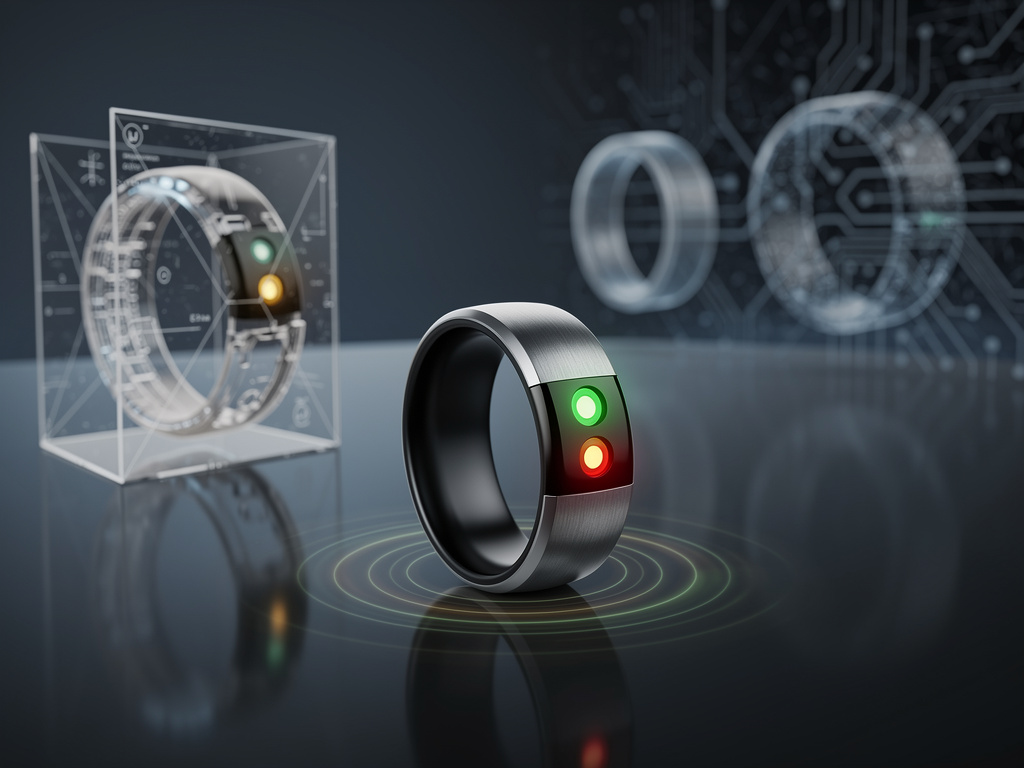
Samsung’s Galaxy Ring: The Silent Sentinel Gets a Voice with New Alerts
Samsung’s foray into the smart ring market with the Galaxy Ring has been a calculated move in the wearable technology arena, blending unobtrusive design with advanced health tracking. Launched in 2024, the device quickly positioned itself as a competitor to established players like Oura, emphasizing seamless integration with Galaxy smartphones and AI-driven insights. Now, as we enter 2026, reports indicate Samsung is preparing to enhance the Ring’s functionality with a suite of new alerts aimed at improving user connectivity and device management. These updates, uncovered through app teardowns and insider leaks, suggest a shift toward more proactive notifications that could address common pain points in wearable usage.
At the core of these developments is a focus on connectivity alerts. Users have long complained about wearables that silently disconnect, leading to missed data tracking or incomplete health metrics. Samsung appears to be tackling this head-on by introducing notifications that alert users when the Galaxy Ring has been disconnected from their smartphone for an extended period. This feature, detailed in a recent analysis by Android Central, would prompt wearers to reconnect, ensuring continuous monitoring of vital signs like heart rate and sleep patterns. Industry insiders view this as a response to user feedback, where intermittent connectivity has been a barrier to adoption.
Beyond basic disconnections, the proposed alerts extend to battery management, a critical aspect for a device designed for all-day wear. Leaks suggest notifications that warn users when the Ring’s battery is low or when it’s been off the charger for too long, potentially integrating with Samsung’s Galaxy AI to predict usage patterns and suggest optimal charging times. This builds on the Ring’s existing seven-day battery life, but the new system could prevent scenarios where users forget to charge, leading to data gaps. Such enhancements align with Samsung’s broader ecosystem strategy, where devices like the Galaxy Watch and Ring work in tandem for comprehensive health tracking.
Enhancing User Engagement Through Intelligent Notifications
The timing of these updates coincides with Samsung’s CES 2026 showcase, where the company highlighted its “Intelligent Care” vision. According to coverage from Samsung Global Newsroom, the Galaxy Ring is positioned as a hub for proactive health and safety features, shifting from reactive to anticipatory care. New alerts could include reminders for sleep tracking consistency or alerts for irregular vital signs, leveraging AI to provide personalized nudges. This evolution reflects Samsung’s ambition to make wearables indispensable, not just for fitness enthusiasts but for everyday health management.
However, these features aren’t emerging in a vacuum. Patent disputes and market challenges have delayed the Galaxy Ring 2, pushing its release to later in 2026, as reported by Gadget Hacks. The original Ring’s sales have been underwhelming, with analysts pointing to competition from Oura and concerns over battery swelling issues that Samsung addressed in a recent update via SamMobile. The new alerts might be a software Band-Aid to boost user retention until hardware improvements arrive.
From a technical standpoint, these notifications would likely integrate with the Samsung Wearable app, using Bluetooth Low Energy for efficient communication. Developers have spotted code strings in app updates hinting at customizable alert thresholds, allowing users to set preferences for disconnection durations or battery levels. This level of personalization could differentiate the Galaxy Ring in a crowded market, where rivals like the Oura Ring 4, praised in a NBC News review for its polish, still lack such granular connectivity feedback.
Market Implications and Competitive Pressures
As smart rings gain traction—projected for significant growth in 2026 per Bloomberg—Samsung’s updates could help it capture a larger share. Posts on X (formerly Twitter) from tech enthusiasts reflect growing excitement, with users discussing how these alerts might make the Ring more reliable for long-term wear. One common sentiment highlights the frustration of forgotten charges, echoing broader discussions on wearable usability.
Comparatively, while Oura leads in features like advanced sleep analysis, Samsung’s ecosystem advantage shines through integration with devices like the Galaxy Z TriFold, as showcased at CES. The new alerts could enhance this synergy, perhaps notifying users via their phone or watch if the Ring detects anomalies during sleep, tying into Samsung’s Good Sleep ecosystem mentioned in the Newsroom piece. For industry players, this signals a trend toward AI-enhanced notifications that prioritize user adherence over passive data collection.
Yet, challenges remain. Privacy concerns arise with more frequent alerts, potentially sharing location or health data. Samsung has emphasized data security in its updates, but insiders worry about user fatigue from over-notification. Balancing informativeness with unobtrusiveness will be key, as excessive pings could deter the very discretion that makes smart rings appealing.
Technological Underpinnings and Future Prospects
Diving deeper into the tech, these alerts leverage Samsung’s Galaxy AI, which processes data from sensors like accelerometers and optical heart rate monitors. Recent leaks from Android Authority reveal code for “disconnection reminders” that calculate based on usage history, potentially using machine learning to adapt over time. This could evolve into predictive alerts, forewarning users of potential disconnections in low-signal areas.
In terms of hardware, while the current Galaxy Ring boasts a titanium frame and IP68 rating, the forthcoming updates might pave the way for the Ring 2’s rumored improvements, including better battery life and new sensors as speculated in Tom’s Guide. Poor sales figures, noted in Android Police, underscore the need for such software boosts to maintain momentum.
For developers and app ecosystem partners, these features open doors for third-party integrations. Imagine fitness apps receiving real-time connectivity status or health platforms using alert data for coaching. This could foster a more interconnected wearable environment, where the Ring acts as a silent guardian, only speaking up when necessary.
User-Centric Design in an Evolving Market
Feedback from early adopters, as seen in X discussions and reviews like the one from Business Insider, praises the Ring’s sleek design but critiques its feature depth compared to smartwatches. The new alerts address this by adding utility without bulk, potentially increasing daily wear time. Samsung’s strategy here mirrors its smartphone playbook: iterative software updates to extend hardware relevance.
Looking ahead, these developments could influence broader industry standards. If successful, competitors might follow suit, leading to smarter, more communicative wearables. For instance, alerts for device maintenance could become commonplace, reducing e-waste by encouraging proper care.
Moreover, in the context of health tech, these features support preventive care. By ensuring consistent tracking, users gain better insights into patterns like irregular heart rates or poor sleep, potentially flagging issues early. Samsung’s CES emphasis on family health underscores this, with the Ring integrating into home ecosystems for shared monitoring.
Strategic Positioning Amidst Uncertainties
Despite optimism, uncertainties loom. The patent wars delaying the Ring 2, as covered by Gadget Hacks, highlight legal hurdles in the wearable space. Samsung must navigate these while innovating, perhaps using software like these alerts to differentiate.
Recent news from Digital Trends suggests the updates are imminent, with beta testing possibly underway. This could roll out via over-the-air updates, minimizing disruption for current users.
For investors and insiders, this positions Samsung as resilient. By enhancing existing products, the company buys time to resolve hardware challenges, potentially boosting stock sentiment in a volatile tech market.
Innovation at the Intersection of Health and Tech
Ultimately, these alerts represent Samsung’s commitment to evolving the Galaxy Ring from a passive tracker to an active companion. Drawing from X buzz, users are eager for features that make wearables “smarter” without overwhelming.
In comparison to rivals, Samsung’s approach leverages its Android ecosystem, offering seamless alerts across devices. This could be a game-changer for professionals relying on constant connectivity, from athletes to executives.
As 2026 unfolds, watch for official announcements. If executed well, these updates could redefine expectations for smart rings, blending subtlety with smarts in ways that truly enhance daily life.
Pushing Boundaries in Wearable Intelligence
Expanding on potential applications, imagine alerts for environmental factors, like high pollution levels detected via integrated sensors—though speculative, it aligns with Samsung’s AI vision.
Industry analysts predict that by integrating such features, Samsung could increase user engagement by 20-30%, based on similar updates in other wearables.
Finally, as the market matures, these innovations underscore a shift toward wearables that anticipate needs, fostering a more intuitive human-tech interaction. Samsung’s moves here could set the tone for years to come, solidifying its role in personal tech advancement.


 WebProNews is an iEntry Publication