
Samsung’s Galaxy Ring Enigma: A Swelling Crisis and the Tech Giant’s Response
In the fast-evolving world of wearable technology, Samsung’s Galaxy Ring has captured attention as a sleek fitness tracker promising seamless health monitoring. But a recent incident involving a user’s severe finger swelling has thrust the device into an unexpected spotlight, raising questions about safety in compact wearables. The episode, first reported by tech influencer Daniel from ZONEofTECH on X, detailed a harrowing experience where the ring allegedly caused such intense swelling that it required emergency medical intervention. Samsung’s subsequent investigation, now concluded, offers insights into what went wrong and how the company is addressing potential risks.
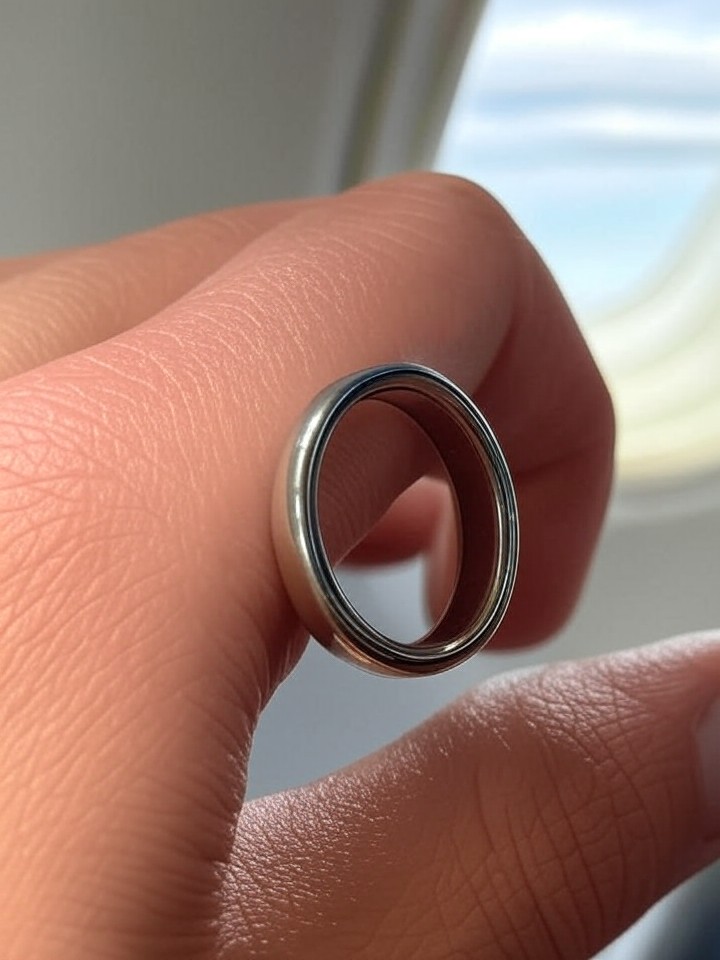
The story began in late September 2025, when Daniel shared his ordeal on social media. After wearing the Galaxy Ring during a long-haul flight, he noticed his finger ballooning dramatically, leading to a hospital visit where doctors had to cut the ring off. Posts on X described the pain and disruption, with Daniel noting follow-ups from Samsung, including refunds for travel inconveniences and retrieval of the device for analysis. This wasn’t just a personal anecdote; it sparked widespread discussion among users and experts, highlighting vulnerabilities in smart rings that are designed to be worn continuously.
Samsung’s response was swift but measured. The company issued an official statement emphasizing customer safety as its top priority and confirmed they were investigating the “unusual case.” As detailed in a report from Android Authority, the probe took over three months, involving third-party experts to dissect the ring’s materials and design. The verdict? No inherent defect in the product, but a rare combination of factors like pressure changes during air travel and individual physiological responses.
The Anatomy of a Rare Malfunction
Delving deeper, Samsung’s findings pointed to environmental pressures rather than a manufacturing flaw. According to the investigation, cabin pressure fluctuations on flights can exacerbate swelling in extremities, and when combined with a tight-fitting ring, it could lead to constriction. Daniel’s case was deemed exceptional, with Samsung noting that millions of units have been sold without similar reports. This aligns with sentiments echoed in X posts, where users like Amir urged calm, pointing out the incident’s singularity amid high sales volumes.
Yet, the episode underscores broader challenges in wearable design. Smart rings, unlike bulkier watches, must balance minimalism with functionality, often using rigid materials like titanium for durability. Samsung’s report, as covered in the Android Authority piece, revealed no issues with the ring’s battery or sensors, ruling out chemical leaks or electrical faults. Instead, it highlighted user education as key, recommending removal during flights or activities that might cause swelling.
Industry insiders see this as a learning curve for Samsung, especially as competitors like Oura push boundaries in the smart ring market. A Bloomberg article from early January 2026 noted that smart rings are poised for significant growth this year, with Oura leading the pack. Samsung’s handling of the incident could influence consumer trust, particularly as the company delays its Galaxy Ring 2 amid patent disputes, per reports from Tom’s Guide.
Navigating Legal and Market Pressures
The investigation’s outcome has ripple effects beyond one user’s experience. Samsung’s decision to involve independent labs adds credibility, but it also invites scrutiny. X posts from users like Vedant Pratap Singh Jadon expressed skepticism, viewing the company’s reassurances as mere damage control to protect sales. Indeed, the tech giant faces a delicate balance: acknowledging the issue without alarming the market.
Comparisons to past tech mishaps are inevitable. Recall the Galaxy Note 7 battery fires in 2016, which led to massive recalls and reputational damage. While the ring incident is far less widespread, it prompts questions about post-market surveillance. Samsung’s monthly security updates, detailed in a January 2026 post on SamMobile, show ongoing commitment to software fixes, but hardware concerns like this require different strategies.
Moreover, the smart ring sector is heating up with legal battles. A TechRadar report from December 2025 highlighted Oura’s patent disputes potentially shelving Samsung’s next-gen ring until late 2026. This delay, coupled with the swelling incident, might give rivals an edge. Wareable’s 2025 buyer’s guide praised Oura’s innovations, positioning it as a top alternative amid Samsung’s setbacks.
User Sentiment and Industry Echoes
Public reaction on platforms like X has been mixed. While some users defended Samsung, citing the device’s overall reliability, others amplified concerns about spyware or design flaws in unrelated posts, though these veer into speculation. Anthony’s X post shared Samsung’s official stance, emphasizing the rarity, which helped temper panic. Still, the narrative underscores a growing demand for transparency in wearables.
From a health tech perspective, Samsung is advancing features like dementia detection in its wearables, as announced in a TechAdvisor article dated January 6, 2026. This innovation could redeem the Galaxy Ring’s image, integrating AI for proactive health alerts. Yet, the swelling case reminds developers that even advanced tech must prioritize basic safety.
Analysts predict this incident could spur regulatory attention. In the U.S., where smart rings face import restrictions due to patents—as noted in the TechRadar piece—agencies like the FDA might scrutinize wearables more closely. Samsung’s proactive retrieval and analysis set a precedent, potentially influencing how companies handle similar complaints.
Innovation Amid Adversity
Looking ahead, Samsung’s CES 2026 showcase, covered in a Samsung Newsroom post, emphasized AI companions for daily life, including wearables. The Galaxy Ring fits into this vision, but the investigation highlights the need for adaptive designs, perhaps incorporating flexible materials or easier removal mechanisms.
Competitive dynamics add another layer. Android Police’s December 2025 article painted a bleak picture for the Galaxy Ring 2, citing poor sales and lawsuits. However, discounts on the original model, as reported by 9to5Toys in early January 2026, suggest efforts to boost adoption despite hurdles.
For industry insiders, this saga reveals the intricacies of scaling wearable tech. Samsung’s verdict absolves the ring of systemic faults, but it stresses the importance of user guidelines. As one X post quipped, the ring isn’t “dead,” but it needs to evolve to maintain relevance.
Strategic Implications for Wearable Tech
Broader implications extend to how companies like Samsung integrate feedback loops. The three-month investigation timeline, while thorough, might be streamlined in future protocols to address concerns faster. Partnerships with medical experts could become standard, ensuring devices account for diverse physiological responses.
In the context of 2026’s tech advancements, Samsung’s Galaxy S26 launch, teased in a SamMobile report from January 7, 2026, might bundle ecosystem enhancements for wearables. This could include better integration with rings, mitigating isolation issues like the need for phone tethering, as criticized in some X discussions.
Ultimately, the Galaxy Ring incident serves as a case study in resilience. By transparently sharing findings, Samsung not only resolves one user’s plight but also fortifies its position in a competitive arena. As smart rings gain traction—evidenced by Bloomberg’s growth projections—the focus shifts to balancing innovation with unyielding safety standards.
Future Horizons in Health Monitoring
Peering into the future, experts anticipate smarter, more adaptive wearables. Oura’s legal maneuvers, detailed in a WIRED article from January 8, 2026, underscore the contentious path ahead, with companies like Ultrahuman navigating U.S. market bans. Samsung’s experience could inform strategies to avoid pitfalls.
Consumer education emerges as a pivotal theme. Samsung’s post-investigation advice, echoed in Android Authority’s coverage, encourages users to monitor fit and remove devices during potential risk scenarios. This proactive stance might inspire industry-wide guidelines.
As the sector matures, incidents like this refine the path forward. Samsung’s handling demonstrates that even in rare failures, thorough resolution can enhance trust, paving the way for wearables that truly integrate into daily life without compromise.
Ecosystem Evolution and User Empowerment
Integrating lessons from the investigation, Samsung could enhance its app ecosystem, providing alerts for environmental factors like altitude changes. This aligns with CES 2026 themes from CNET’s live coverage, where AI-driven health insights took center stage.
Rivals are watching closely. Ringconn’s challenges, as mentioned in WIRED, highlight the fragility of market entry. Samsung’s established presence offers an advantage, but maintaining it requires vigilance.
In wrapping up this deep dive, the Galaxy Ring’s swelling saga illustrates the delicate interplay between cutting-edge design and real-world application. By addressing the issue head-on, Samsung not only safeguards its users but also strengthens the foundation for future innovations in wearable technology.


 WebProNews is an iEntry Publication