
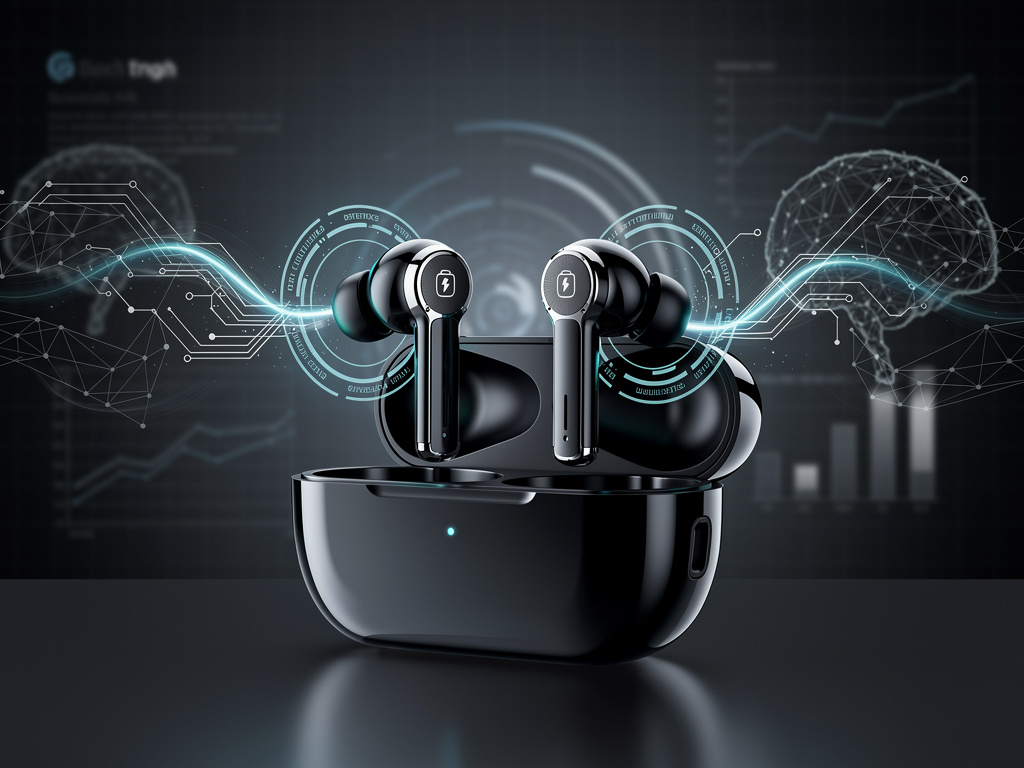
Samsung’s Earbud Evolution: Leaked Battery Boost Signals a Power Play in Wearables
Samsung’s next-generation earbuds, the Galaxy Buds 4 Pro, are generating significant buzz in the tech industry, with recent leaks pointing to substantial improvements in battery life that could redefine user expectations for wireless audio devices. According to details uncovered in Samsung’s own software updates, the Buds 4 Pro may feature earbuds with 57mAh batteries each, marking an 18% increase over the 48mAh capacity in the current Galaxy Buds 3 Pro. This upgrade, if accurate, addresses one of the most persistent pain points in wearable technology: the need for longer-lasting power without compromising on size or comfort. Industry analysts suggest this move is part of Samsung’s broader strategy to compete more aggressively with rivals like Apple and Sony, who have long dominated the premium earbud market with robust battery performance.
The leak originates from code within Samsung’s One UI 8.5 beta, as first reported by Digital Trends, which dissected the software to reveal these specifications. This isn’t just a minor tweak; the enhanced battery could translate to extended playback times, potentially pushing the limits of all-day use without frequent recharges. For professionals reliant on earbuds for calls, music, and noise cancellation during commutes or remote work, this could mean fewer interruptions and greater reliability. Samsung has historically iterated on its Buds lineup with incremental gains, but this leap suggests a response to consumer feedback demanding more endurance in an era of constant connectivity.
Beyond battery life, the leaks hint at a redesigned form factor that prioritizes ergonomics. Animations in the One UI software depict a stem-style design similar to Apple’s AirPods, but with Samsung’s twist: improved comfort through angled tips and new gesture controls. This evolution comes at a time when wearable tech is increasingly integrated with AI features, such as real-time translation and adaptive noise cancellation, which can drain power quickly. By bolstering the battery, Samsung appears poised to support these advanced functionalities without sacrificing usability, a critical factor for enterprise users who deploy such devices in high-stakes environments like corporate meetings or field operations.
Redesign and Feature Innovations Driving Anticipation
The anticipated redesign of the Galaxy Buds 4 Pro isn’t merely cosmetic; it includes practical enhancements like head gesture recognition for hands-free control, as detailed in reports from SamMobile. This feature could allow users to nod or shake their heads to accept calls or skip tracks, integrating seamlessly with Samsung’s ecosystem of Galaxy smartphones and watches. Such innovations reflect a shift toward more intuitive user interfaces in wearables, where physical buttons are giving way to gesture-based interactions to reduce wear and tear. For industry insiders, this points to Samsung’s investment in sensor technology, potentially leveraging advanced accelerometers and gyroscopes to achieve precision without increasing power consumption.
Battery improvements extend to the charging case as well, with rumors suggesting a capacity around 530mAh, up from previous models. This detail emerged from posts on X (formerly Twitter), where tech enthusiasts shared early leaks indicating the case could support longer on-the-go charging sessions. While these social media insights aren’t official, they align with patterns seen in prior Samsung launches, where case batteries have been key to overall endurance. In competitive terms, this positions the Buds 4 Pro against devices like the Sony WF-1000XM5, which offers up to 24 hours with its case, but Samsung’s potential edge lies in its seamless integration with Android devices, offering features like auto-switching between phone and tablet.
Moreover, the Buds 4 Pro are expected to incorporate Galaxy AI enhancements, building on the adaptive audio processing seen in the Buds 3 series. Leaks from Android Central describe a “wild new feature” possibly involving AI-driven sound personalization, which could analyze user environments in real-time to optimize noise cancellation. This is particularly relevant for professionals in noisy sectors like construction or aviation, where effective ANC can enhance focus and safety. Samsung’s push into AI-infused wearables mirrors broader industry trends, where companies are racing to embed machine learning to differentiate their products in a saturated market.
Regulatory Milestones and Launch Timeline Insights
Recent regulatory filings provide concrete evidence that the Galaxy Buds 4 Pro are nearing release. The earbuds have cleared FCC certification in the U.S., with model numbers SM-R640L and SM-R640R for the left and right buds, as noted in a report from Sammy Fans. This approval, granted just days ago, typically precedes a product launch by weeks or months, signaling that Samsung might unveil the device alongside its Galaxy S26 smartphone series in early 2026. For supply chain managers and retailers, this timeline is crucial, as it allows preparation for inventory and marketing campaigns amid holiday season demands.
The FCC nod also reveals details about wireless capabilities, including Bluetooth 5.4 support, which promises lower latency and better energy efficiency. This is a step up from the Buds 3 Pro’s Bluetooth 5.4 but with refined implementation for multi-device connectivity. Industry observers point out that such certifications often leak subtle specs, like improved IP ratings for dust and water resistance, potentially elevating the Buds 4 Pro to IP57 or higher. Drawing from X posts discussing similar leaks, there’s speculation that these earbuds could withstand more rigorous use, appealing to fitness enthusiasts and outdoor professionals who need durable audio gear.
However, not all leaks paint an entirely rosy picture. Some reports, such as one from Gadget Hacks, suggest that while the battery upgrade is welcome, the overall design might not surpass the Buds 3 Pro in every aspect, particularly in audio quality or fit for all ear shapes. This tempered enthusiasm highlights the challenges Samsung faces in iterating on successful products without alienating existing users. For insiders, this underscores the importance of user testing and feedback loops in product development, where even minor drawbacks can impact market reception.
Competitive Pressures and Market Positioning
In the broader arena of wearable technology, Samsung’s battery-focused upgrades come amid intensifying competition. Apple’s AirPods Pro 2 boast up to 30 hours of total battery life with ANC, setting a high bar that Samsung aims to match or exceed. Leaks from SoundGuys indicate the Buds 4 Pro might achieve similar figures through efficiency gains, even if individual bud capacities are smaller than some rivals. This efficiency is key in a market where consumers prioritize slim profiles over bulky power packs, influencing design decisions across the board.
Social media sentiment on X reflects growing excitement, with users speculating on release dates tied to Samsung’s Unpacked events. Posts highlight comparisons to older models, like the Buds 2 Pro’s 29-hour battery, emphasizing the incremental yet meaningful progress. For enterprise buyers, these developments mean potential cost savings through reduced replacement cycles, as longer-lasting batteries could extend device lifespans in corporate fleets.
Samsung’s strategy also involves ecosystem lock-in, where Buds 4 Pro features like seamless pairing with Galaxy watches and phones create a sticky user base. As reported in Gadgets 360, efficiency improvements might offset smaller batteries in the standard Buds 4 model, which could drop to 42mAh, ensuring the lineup appeals to budget-conscious segments without sacrificing premium appeal.
Technological Underpinnings and Future Implications
Delving deeper into the tech, the battery boost likely stems from advancements in lithium-ion cell density, allowing more power in compact forms. This aligns with Samsung’s R&D investments, as seen in their semiconductor divisions, which could trickle down to wearables. Industry experts anticipate that such innovations will enable more ambitious features, like integrated health monitoring via ear-based sensors for heart rate or temperature, expanding the Buds’ role beyond audio.
Challenges remain, including supply chain vulnerabilities for rare earth materials in batteries, which could affect pricing. Leaks from TechRadar suggest an imminent launch, but global economic factors might delay rollouts in certain regions. For insiders, monitoring these variables is essential for forecasting market share shifts.
Ultimately, the Galaxy Buds 4 Pro represent Samsung’s bet on power as a differentiator, potentially reshaping user habits in professional and personal spheres. As leaks continue to surface, the industry’s gaze remains fixed on how these earbuds will perform in real-world scenarios, setting the stage for the next wave of wearable advancements.
Strategic Ramifications for Samsung’s Wearable Ecosystem
Samsung’s emphasis on battery life in the Buds 4 Pro extends to its entire wearable lineup, including smartwatches and rings, creating a cohesive ecosystem where devices share power management protocols. This integration could lead to features like cross-device battery optimization, where a Galaxy Watch alerts users to low earbud power. Reports from PhoneArena highlight a redesigned charging case with enhanced capacity, underscoring Samsung’s holistic approach to endurance.
Consumer feedback from platforms like X indicates a demand for these upgrades, with users praising potential all-day battery for jam sessions or workouts. This sentiment drives Samsung’s iterative design, ensuring products evolve based on real usage data rather than speculation.
In terms of audio fidelity, leaks suggest 24-bit/96kHz support, an upgrade from previous models, promising richer soundscapes for audiophiles in creative industries. Combined with ANC improvements, this positions the Buds 4 Pro as a tool for professionals in media production, where high-quality audio is paramount.
Industry-Wide Ripple Effects and Consumer Expectations
The ripple effects of these leaks extend to competitors, potentially accelerating battery tech advancements across brands. For instance, Nothing’s recent earbud launches, as mentioned in X discussions, emphasize similar power efficiencies, signaling a trend toward sustainable, long-lasting wearables.
Samsung’s timing, aligned with the S26 series, could bundle promotions that boost adoption rates among enterprise clients seeking integrated solutions. Analysts predict this could capture a larger share of the premium market, currently led by Apple.
As the launch approaches, the focus shifts to pricing strategies, with expectations of a premium tag justified by the upgrades. For insiders, this moment encapsulates the dynamic interplay of innovation, competition, and consumer needs in wearable tech.


 WebProNews is an iEntry Publication