
Samsung’s Strategic Price Freeze: Decoding the Galaxy S26’s U.S. Market Maneuver
In the fiercely competitive arena of premium smartphones, Samsung Electronics Co. is reportedly plotting a calculated move to maintain its foothold in the United States with the upcoming Galaxy S26 series. According to recent reports, the South Korean tech giant plans to keep prices unchanged for its flagship devices in the American market, even as production costs climb due to surging component prices. This decision comes at a time when rivals like Apple Inc. have managed to hold steady on pricing despite similar pressures, highlighting Samsung’s efforts to defend its market share against intensifying competition from both established players and emerging challengers.
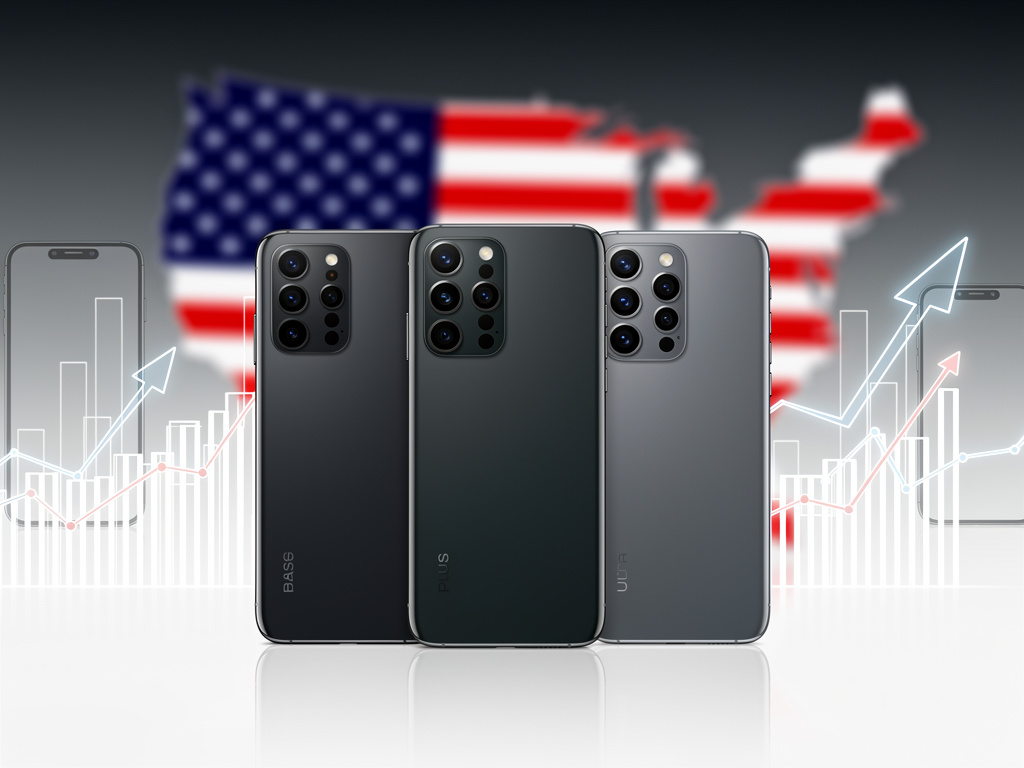
The strategy appears tailored specifically for the U.S., where consumer sensitivity to price hikes could erode Samsung’s position. Sources indicate that the base Galaxy S26 might retain its $799 starting price, with the S26 Plus at $999 and the S26 Ultra at $1,299—figures identical to their predecessors. This approach contrasts with potential increases in other regions, such as Europe and Asia, where economic factors like currency fluctuations could force adjustments. By absorbing a 10-15% hit to profit margins, Samsung aims to leverage its strong positions in memory chip production to offset losses, as detailed in a report from Android Police.
This pricing tactic isn’t emerging in a vacuum. The broader industry has seen flagship phone prices creep upward in recent years, driven by advancements in AI integration, camera technology, and processor efficiency. Yet, Samsung’s choice to freeze U.S. prices for the fourth consecutive year underscores a broader defensive posture. Analysts suggest this could help counter Apple’s dominance, where the iPhone series has maintained consistent pricing while introducing incremental upgrades. Samsung’s move might also preempt challenges from Chinese manufacturers like Xiaomi and Oppo, who are increasingly targeting premium segments with aggressive pricing.
Navigating Rising Costs and Component Pressures
Rising costs for key components, particularly DRAM and NAND flash memory, are at the heart of Samsung’s dilemma. Industry insiders note that memory prices have surged 30-40% amid booming demand for AI-driven applications, putting pressure on smartphone manufacturers worldwide. Samsung, as a major producer of these chips through its semiconductor division, is uniquely positioned to mitigate some of these increases internally. However, the company still faces external supply chain challenges, including geopolitical tensions affecting raw material sourcing and global inflation impacting labor and logistics.
Reports from South Korean media, echoed in international outlets, suggest that Samsung executives have been deliberating this pricing plan for months. A post on X (formerly Twitter) from a prominent tech leaker highlighted internal pushes to minimize hikes, aligning with Samsung’s goal to sustain volume sales. This is particularly crucial in the U.S., where Samsung holds about 25% of the smartphone market, trailing Apple’s 50% share. By keeping prices flat, Samsung could encourage upgrades from existing users and attract switchers from other brands, especially as economic uncertainty lingers post-pandemic.
Comparisons with past launches provide context. The Galaxy S25 series, released in 2025, also avoided a U.S. price increase despite similar cost pressures, a strategy that helped Samsung achieve record pre-order numbers in North America. Drawing from GSMArena, the rumored extension of this freeze to foldable devices like the Galaxy Z Fold 8 and Flip 8 indicates a comprehensive approach to premium lineup pricing, potentially stabilizing Samsung’s ecosystem against competitors’ foldable offerings.
Regional Disparities and Global Market Dynamics
While U.S. consumers may dodge a price bump, the story differs elsewhere. In Samsung’s home market of South Korea, a declining won could necessitate hikes, with similar adjustments expected in Europe and parts of Asia. This regional variation reflects Samsung’s nuanced understanding of market elasticity—American buyers, buoyed by carrier subsidies and trade-in programs, might be more tolerant of stagnation in innovation if prices remain accessible. In contrast, markets with weaker currencies or higher import duties could see the S26 series priced 10-20% higher, potentially slowing adoption.
Expert analysis points to competitive pressures as a driving force. “Samsung is playing a high-stakes game to protect its U.S. turf,” notes a mobile industry consultant quoted in recent discussions on X, where sentiment around pricing has been mixed. Posts from tech enthusiasts and analysts on the platform reveal optimism among U.S. users, with some speculating that this could boost Samsung’s market share if paired with compelling features like enhanced AI capabilities or battery life improvements.
Furthermore, the timing of the Galaxy S26 launch adds another layer. Rumors suggest a potential delay to February 2026, shifting from the traditional January unveiling, as reported by Tom’s Guide. This adjustment might allow Samsung to refine its supply chain and incorporate last-minute upgrades, ensuring the devices justify their prices even without hikes. Such a delay could also align with major tech events, maximizing media exposure and consumer buzz.
Feature Expectations and Consumer Value Proposition
Beyond pricing, the Galaxy S26 series is anticipated to bring modest but meaningful enhancements. Leaks indicate a larger 6.3-inch display for the base model, faster processors, an updated main camera, and increased base storage starting at 256GB. Battery capacity might rise to 4300mAh, with faster 20W wireless charging and support for Qi2 standards, all within a thinner 6.9mm body. These upgrades, while not revolutionary, aim to address user pain points like battery life and storage, potentially making the devices more appealing at unchanged prices.
Critics, however, argue that Samsung’s incremental approach risks alienating power users seeking bold innovations. A notable X post from a well-followed leaker criticized the lack of significant camera upgrades, speculating that cost controls might be limiting R&D investments. This sentiment is echoed in broader online discussions, where users debate whether steady pricing compensates for perceived stagnation compared to rivals like Google’s Pixel series, which has pushed boundaries in computational photography.
Samsung’s broader ecosystem strategy plays into this. By maintaining affordability in the U.S., the company encourages integration with its wearables, tablets, and smart home devices, fostering loyalty. Data from market research firms shows that ecosystem lock-in drives higher retention rates, with Samsung users 15% more likely to upgrade within the brand when prices remain stable. This holistic view positions the S26 not just as a phone, but as a gateway to Samsung’s expanding tech universe.
Competitive Pressures and Long-Term Implications
The U.S. smartphone sector is a battleground where pricing can make or break market positions. Apple’s ability to hold iPhone prices steady has allowed it to capture premium buyers, while Samsung has relied on promotions and carrier deals to compete. By freezing S26 prices, Samsung might narrow this gap, especially if it ramps up marketing around AI features like enhanced voice assistants or real-time photo editing, which could differentiate it from Apple’s offerings.
Looking ahead, this strategy could set precedents for future launches. If successful, Samsung might extend similar tactics to emerging markets, though economic variances make that challenging. Conversely, if U.S. sales falter due to underwhelming upgrades, it could force a reevaluation of cost absorption limits. Insights from PhoneArena suggest that maintaining prices could lead to record volumes, provided Samsung navigates component shortages effectively.
Industry observers are watching closely. “This is Samsung betting on volume over margins in a key market,” says a supply chain expert, referencing ongoing X threads where pricing rumors have sparked debates. The move also reflects broader trends in consumer electronics, where brands increasingly prioritize accessibility to counter economic headwinds like inflation and recession fears.
Economic Factors and Supply Chain Realities
Economic indicators further illuminate Samsung’s decision. With U.S. inflation cooling but component costs still elevated, absorbing hits makes sense for a market where disposable income for tech remains robust. In contrast, regions with volatile currencies face different calculus, as highlighted in a report from Android Headlines, which notes Samsung’s intent to compete directly with Apple by mirroring its pricing stability.
Supply chain dynamics add complexity. Samsung’s vertical integration—producing its own Exynos chips and displays—gives it an edge, but reliance on third-party suppliers for cameras and batteries exposes vulnerabilities. Recent X posts from tech analysts speculate that partnerships with companies like Qualcomm could help stabilize costs, potentially enabling more aggressive pricing in the U.S.
Ultimately, this pricing gambit could redefine Samsung’s global strategy. By prioritizing the U.S. with flat prices, the company signals a commitment to accessibility, potentially reshaping how it allocates resources across regions. As the launch approaches, all eyes will be on whether this approach translates to sustained growth or if rising costs force future adjustments.
Market Sentiment and Future Outlook
Current sentiment on platforms like X reveals a mix of excitement and skepticism. U.S.-based users express relief at avoided hikes, with some posts praising Samsung’s consumer-friendly stance. However, international users lament potential increases, highlighting disparities that could fuel gray-market imports or brand switching.
For industry insiders, this episode underscores the delicate balance between innovation, cost management, and market positioning. Samsung’s willingness to sacrifice margins in the U.S. might inspire similar moves from competitors, fostering a more stable pricing environment overall.
As 2026 unfolds, the Galaxy S26’s reception will test this strategy’s efficacy. If it drives strong sales, it could embolden Samsung to pursue even bolder ecosystem expansions, solidifying its role as a tech powerhouse.


 WebProNews is an iEntry Publication