
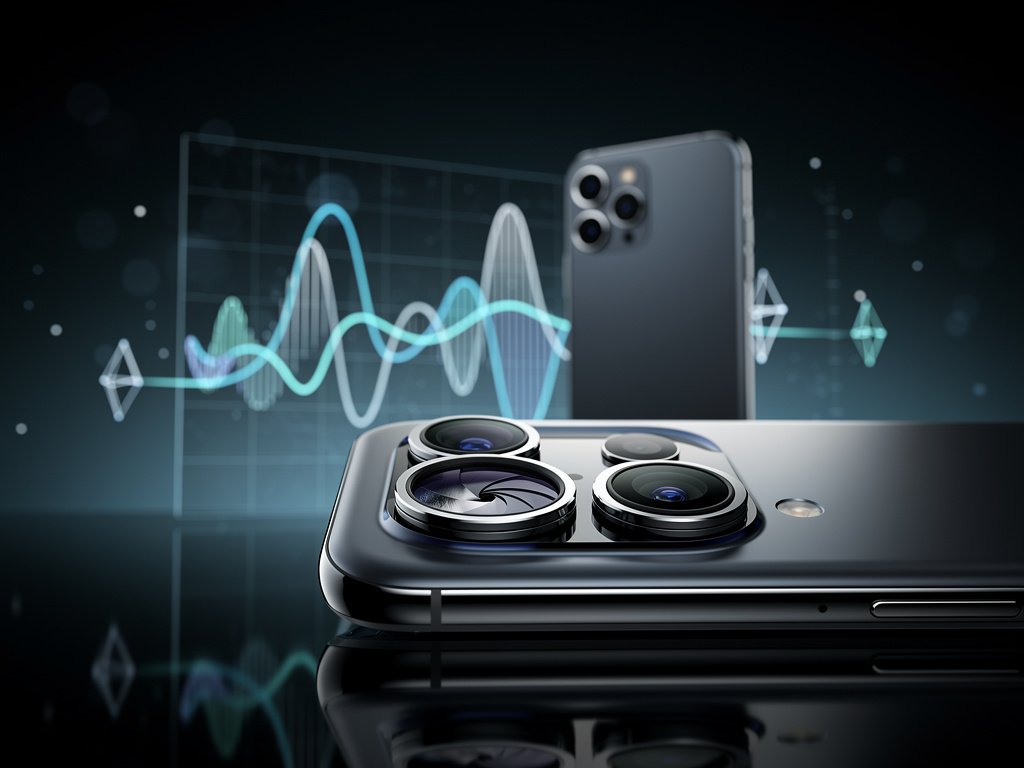
Samsung’s decision to potentially resurrect a long-forgotten camera technology from its Galaxy S9 era could signal a strategic pivot in the high-stakes race for smartphone imaging supremacy. Recent reports suggest the company is mulling the return of variable aperture lenses, a feature that allows the camera to mechanically adjust its opening for better light control, much like professional DSLRs. This move comes amid whispers that Apple is eyeing similar enhancements for its iPhone 18 Pro, slated for 2026, prompting Samsung to dust off an innovation it pioneered but abandoned years ago.
The buzz originated from industry insiders and supply chain leaks, painting a picture of Samsung Electro-Mechanics gearing up for advanced component production. Variable aperture, which debuted on the Galaxy S9 in 2018, enabled users to switch between f/1.5 for low-light scenarios and f/2.4 for sharper daylight shots, offering a tangible edge in versatility. However, Samsung phased it out in subsequent models, citing complexities in design and minimal user impact amid the rise of computational photography.
For industry observers, this revival isn’t just nostalgia—it’s a calculated response to evolving market demands. As smartphone cameras evolve into hybrid systems blending hardware prowess with AI-driven software, bringing back variable aperture could help Samsung differentiate its flagships in a crowded field dominated by pixel counts and zoom capabilities.
Reviving a Pioneer Feature
Analysts point to competitive pressures as the catalyst. According to a report from Digital Trends, Samsung’s interest aligns with rumors that Apple’s iPhone 18 Pro might incorporate variable aperture, potentially sourced from Samsung’s own components division. This irony underscores the intertwined nature of tech rivalries, where foes often become suppliers. If true, it would mark a stunning shift, with Samsung equipping its arch-competitor while simultaneously bolstering its own lineup.
The technology’s mechanics are worth dissecting for those in the know. Variable aperture involves a physical diaphragm that alters the lens opening, directly influencing depth of field, light intake, and image sharpness. In the Galaxy S9, this was limited to two settings, but modern iterations could expand to continuous adjustments, leveraging micro-motors for seamless transitions. Sources indicate Samsung has been prototyping such systems, aiming for integration in future Galaxy S series devices, possibly as early as the S26 or S27.
Beyond hardware, this feature could synergize with Samsung’s AI enhancements, like the ProVisual Engine seen in recent models. Posts on X from tech enthusiasts highlight user excitement, with many recalling how the S9’s aperture control delivered superior low-light performance without relying solely on software tricks, which can sometimes introduce artifacts.
Historical Context and Abandonment
To understand the potential comeback, it’s essential to revisit why Samsung shelved variable aperture after the S9 and S10. Engineering challenges played a role: the mechanism added bulk to the camera module, complicating the slim designs consumers demand. As multi-lens setups became standard, Samsung shifted focus to periscope zooms and larger sensors, betting on digital processing to compensate for optical limitations.
A piece from SamMobile notes that cost was another factor; the feature didn’t drive significant sales uplift, and user feedback suggested it was underutilized. In an era when AI could simulate bokeh effects and exposure adjustments, the physical aperture seemed redundant. Yet, as computational photography hits diminishing returns, hardware innovations like this could provide the next leap.
Industry insiders argue this revival reflects broader trends in mobile imaging. With phones now rivaling dedicated cameras for professional work, features that offer manual-like control appeal to prosumers. Samsung’s history of iterating on camera tech— from introducing 108-megapixel sensors to AI-powered scene optimization—positions it well to reintroduce variable aperture with refinements.
Competitive Pressures from Apple
The Apple angle adds intrigue. Leaks suggest Samsung might supply variable aperture modules to Apple, as detailed in a report by SammyFans. This potential deal highlights Samsung’s dominance in component manufacturing, even as it competes in finished products. For Samsung, reviving the feature internally could preempt Apple’s marketing narrative, claiming it as a “Galaxy-first” innovation.
On X, discussions among tech analysts emphasize how this could escalate the Android-iOS arms race. Users reminisce about past Samsung features, like the 10x optical zoom on the Galaxy S23 Ultra, which some wish would return for added differentiation. If variable aperture lands in a future Galaxy S, it might target ultra-premium models, integrating with One UI’s advanced camera modes for enhanced creative control.
Technically, implementing this in 2025 or beyond involves overcoming past hurdles. Modern variable apertures could use liquid lens tech or piezoelectric actuators for faster, silent operation, reducing wear and power draw. This aligns with Samsung’s push toward sustainable designs, minimizing electronic waste through durable components.
Technical Advantages and Challenges
Diving deeper into the benefits, variable aperture excels in scenarios where software falls short. For instance, in extreme lighting, a wider aperture captures more light naturally, reducing noise without aggressive denoising algorithms that can soften details. In bright conditions, a narrower setting prevents overexposure, preserving highlights in high-dynamic-range shots.
However, challenges remain. Integrating this into a multi-camera array requires precise calibration to avoid inconsistencies across lenses. A report from Android Central speculates that Samsung might limit it to the main sensor initially, testing waters before broader adoption. Supply chain constraints, including sourcing rare-earth materials for actuators, could delay rollout.
For insiders, the real value lies in hybrid photography ecosystems. Pairing variable aperture with Samsung’s Expert RAW mode— which allows manual controls and uncompressed files— could attract photographers who currently supplement phones with mirrorless cameras. Recent X posts praise hidden Galaxy camera features like dual recording, suggesting users crave more pro tools.
Market Implications and User Impact
From a market perspective, this could bolster Samsung’s position against Chinese rivals like Xiaomi and Oppo, who have experimented with similar tech in models like the Xiaomi 13 Ultra. By reviving variable aperture, Samsung reaffirms its innovation heritage, potentially influencing pricing strategies for flagships.
User adoption will hinge on education. Past features like the S9’s aperture were marketed subtly, leading to underappreciation. Future implementations might include AI-assisted modes that automatically adjust the aperture, making it accessible while offering manual overrides for experts.
Looking ahead, this fits into Samsung’s broader ecosystem play. Integration with Galaxy Watches for remote shutter control or AI editing in the Gallery app could create a seamless workflow, appealing to content creators in social media and beyond.
Strategic Timing and Future Outlook
Timing is critical. With the Galaxy S25 expected soon, reports indicate the revival might target 2026 or later models, aligning with Apple’s rumored timeline. This gives Samsung breathing room to refine the tech, possibly incorporating feedback from beta programs like One UI 8.5, which hints at new camera enhancements.
Industry experts, drawing from sources like T3, see this as part of a larger breakthrough in digital photography, where hardware-software fusion pushes boundaries. For Samsung, it’s a chance to lead rather than react, especially as global smartphone sales plateau and differentiation becomes key.
Moreover, environmental considerations factor in. Reusing proven tech reduces R&D waste, aligning with sustainability goals. If successful, variable aperture could cascade to mid-range A-series phones, democratizing advanced imaging.
Broader Industry Ripple Effects
The ripple effects extend beyond Samsung. If Apple adopts this, it could standardize variable aperture across premium devices, pressuring Google and others to follow suit. Pixel phones, known for software magic, might counter with even more sophisticated AI, but hardware edges could tip the scales for certain users.
On the supply side, Samsung’s dual role as innovator and supplier strengthens its leverage. Deals like the potential Apple partnership, as noted in earlier reports, could generate billions in revenue, funding further R&D.
For consumers, this means more capable cameras without bulkier devices. Imagine capturing starry nights with natural clarity or portraits with authentic depth— all in a pocketable form. As X conversations reveal, there’s pent-up demand for such features, with users urging Samsung to prioritize them over gimmicks.
Innovation Cycles in Smartphone Cameras
Reflecting on innovation cycles, Samsung’s track record shows a pattern of bold experiments followed by refinements. The variable aperture’s return echoes past comebacks, like enhanced zoom in the S23 Ultra, which users lauded for real-world utility.
Challenges aside, the feature’s revival could redefine expectations. In low-light venues or dynamic outdoor settings, it offers advantages that pure computation struggles to match, potentially swaying photographers back to smartphones.
Ultimately, this development underscores the enduring quest for optical excellence in an AI-dominated era. Samsung’s move, if executed well, positions it at the forefront, blending legacy ingenuity with forward-thinking design to captivate industry watchers and users alike.


 WebProNews is an iEntry Publication