
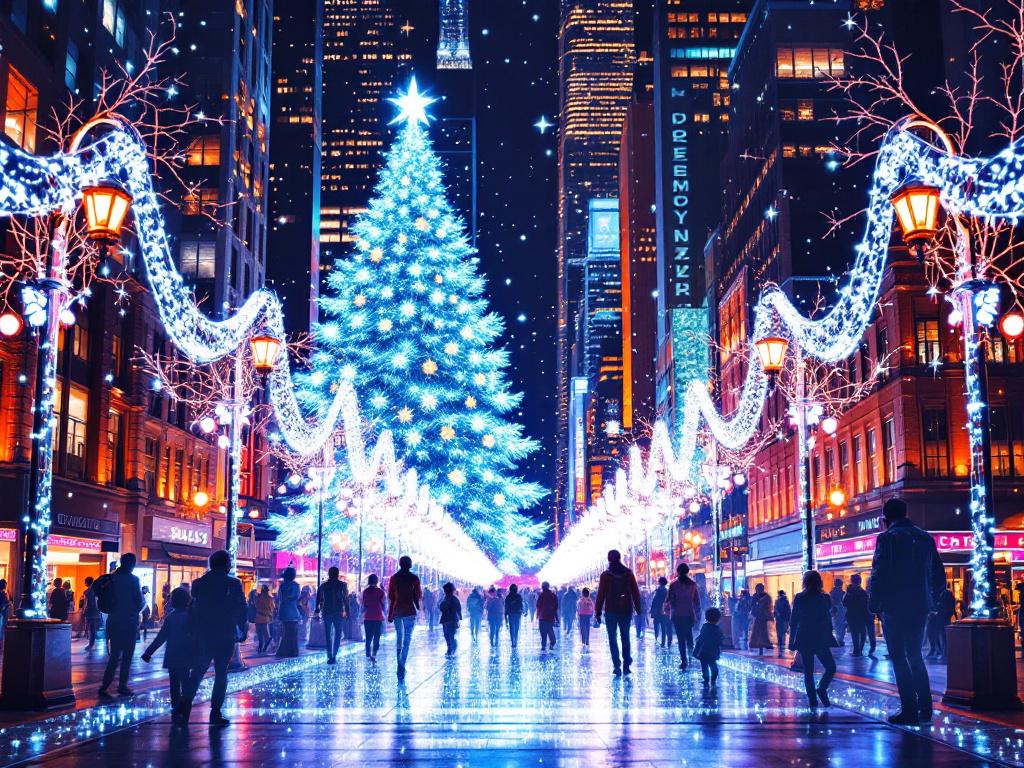
In the heart of Manhattan, where luxury retail meets seasonal spectacle, Saks Fifth Avenue has reignited a cherished tradition that draws crowds from around the globe. After a surprising hiatus in 2024, the department store’s iconic holiday light show made its dazzling comeback on November 24, 2025, transforming the facade of its flagship location into a canvas of twinkling lights and synchronized music. This year’s display, unveiled with a performance by the Radio City Rockettes, signals not just a return to form but a strategic pivot for the retailer amid evolving consumer behaviors and economic pressures in the high-end fashion sector.
The event’s revival comes after what Saks described as a necessary pause last year, attributed to ongoing renovations and a broader reevaluation of holiday programming. Industry observers note that the cancellation was a rare break in nearly two decades of continuous shows, which have become synonymous with New York City’s festive season. According to reports from CBS New York, the 2025 iteration promises an enhanced experience, featuring over 700,000 LED lights programmed to dance across the 10-story building in harmony with holiday tunes.
For retail executives and marketers, this return underscores the enduring power of experiential attractions in driving foot traffic to physical stores. In an era dominated by e-commerce, Saks is leveraging the light show to create Instagram-worthy moments that blend tradition with modern appeal, potentially boosting in-store sales during the critical holiday period.
Revival Amid Retail Challenges
Details from the unveiling reveal a meticulously crafted production that runs every 10 minutes from 5 p.m. to 11 p.m. daily through January 6, 2026, at the store’s location on Fifth Avenue between 49th and 50th Streets. The New York Post highlighted in its coverage that the show incorporates jewel-toned lights and New York City-inspired motifs, including nods to the city’s skyline and cultural landmarks, as seen in this article. This thematic choice reflects a deliberate effort to tie the spectacle to local identity, fostering a sense of community and nostalgia.
Behind the scenes, the technology powering the display represents a significant investment. Sources familiar with the production, as reported by Time Out New York in their preview, indicate that Saks collaborated with lighting engineers to integrate advanced LED systems capable of intricate patterns and energy efficiency. This isn’t just about aesthetics; it’s a nod to sustainability trends in retail, where brands are under pressure to reduce environmental footprints while maintaining lavish presentations.
The accompanying window displays, a staple of the Saks holiday experience, feature elaborate vignettes curated around the theme “Holiday Your Way.” These installations showcase high-fashion items from designers like Dior and Gucci, interspersed with whimsical holiday scenes. As noted in coverage from The Impression, available here, the windows serve as a visual merchandising tool, subtly encouraging passersby to step inside and explore the store’s offerings.
Historical Context and Last Year’s Absence
To appreciate the 2025 show’s significance, one must look back at its origins. The tradition began in the early 2000s as a way for Saks to stand out in the competitive New York retail environment, evolving from simple decorations to a full-fledged multimedia event. Posts on X from users like local photographers and tourism accounts recall past iterations, with one popular thread emphasizing how the show has historically drawn up to 100,000 visitors per night during peak season, based on estimates shared across social media.
The 2024 cancellation, announced in September of that year, caught many by surprise. Saks cited facade renovations and a desire to “reimagine” the experience, but insiders speculate it was also influenced by cost-cutting measures amid a sluggish luxury market. Economic data from that period, as analyzed in reports from Luxury Daily in this piece, showed a dip in holiday spending projections, prompting retailers to prioritize profitability over spectacle.
In contrast, the decision to bring it back in 2025 aligns with a rebound in consumer confidence. Recent web searches and news updates indicate that tourism in New York City is surging, with holiday visitors expected to increase by 15% over last year, according to data referenced in CBS New York’s ongoing coverage. This resurgence positions the light show as a key draw for both locals and tourists, potentially generating millions in ancillary revenue for surrounding businesses.
Economic Impact on Luxury Retail
For industry insiders, the light show’s return is a case study in experiential marketing’s ROI. Analysts estimate that such events can boost same-store sales by 20-30% during the holiday quarter, drawing from foot traffic data compiled by retail consultancies. Saks, owned by Hudson’s Bay Company, has been navigating challenges including competition from online giants like Amazon and shifting preferences toward personalized shopping experiences.
This year’s enhancements, such as interactive elements where viewers can scan QR codes for exclusive deals, reflect a hybrid approach blending physical and digital engagement. As detailed in a Fashion Week Daily article here, the integration of augmented reality filters on social media encourages user-generated content, amplifying the show’s reach far beyond Fifth Avenue.
Moreover, the involvement of the Radio City Rockettes at the unveiling adds a layer of cultural prestige. Their performance, captured in photos from the New York Daily News in this gallery, not only entertains but also ties into broader entertainment partnerships that Saks has cultivated to enhance brand loyalty.
Technological Innovations and Design Insights
Diving deeper into the production, the 2025 light show employs state-of-the-art synchronization technology, with lights programmed to a soundtrack that includes classic carols remixed with contemporary beats. Engineering details, gleaned from web sources and X discussions among tech enthusiasts, reveal the use of DMX controllers for precise timing, ensuring the display’s reliability even in inclement weather—a common challenge in New York winters.
Designers drew inspiration from Saks’ heritage as a purveyor of elegance, incorporating motifs like crystal chandeliers and gemstone patterns that echo the store’s jewelry department. This thematic coherence, as explored in Time Out’s tips for viewers here, helps differentiate it from rival displays like those at Macy’s or Bergdorf Goodman.
From a supply chain perspective, sourcing the LEDs involved global partnerships, with components likely imported from Asia amid ongoing tariff discussions. Retail experts point out that such investments, while costly, pay dividends in brand visibility, especially as luxury consumers increasingly seek immersive experiences over mere transactions.
Community and Tourism Ripple Effects
The light show’s allure extends to New York City’s economy at large. Tourism boards estimate that holiday attractions like this contribute over $1 billion annually to the local economy through hotel stays, dining, and shopping. Posts on X from visitors planning trips highlight the show’s role in itinerary planning, with many expressing relief at its return after last year’s void.
Local businesses, from nearby cafes to tour operators, are gearing up for the influx. As reported in Goshen News’ national coverage here, the unveiling event alone drew thousands, underscoring its status as a free public spectacle that democratizes luxury.
For Saks, this is more than a light show; it’s a statement of resilience. In conversations echoed across industry forums, executives view it as a barometer for the health of brick-and-mortar retail, where creating memorable moments can counter the convenience of online shopping.
Strategic Implications for Future Seasons
Looking ahead, the 2025 success could pave the way for expansions, such as extended hours or themed nights. Retail strategists, drawing from patterns in similar events, suggest incorporating more interactive tech like AI-driven personalization to keep the format fresh.
Comparisons to international counterparts, like London’s Harrods or Paris’ Galeries Lafayette, reveal how Saks’ approach emphasizes scale and synchronization, setting a benchmark for American luxury retailers. Web analyses from sites like My Christmas in New York here provide tips for optimal viewing, advising crowds to arrive early or watch from Rockefeller Center for the best vantage points.
Ultimately, as the lights flicker on Fifth Avenue, they illuminate not just a building but the evolving strategies of a sector adapting to new realities, ensuring that traditions like this endure for generations to come.
Sustaining Tradition in a Changing Market
The broader implications for luxury retail involve balancing heritage with innovation. Saks’ decision to revive the show after a brief pause demonstrates agility, a quality increasingly vital as consumer spending shifts toward experiences over goods. Economic forecasts for 2026, based on current trends, predict continued growth in experiential retail, with events like this serving as anchors.
Community feedback, aggregated from X posts and news comments, shows overwhelming positivity, with many users sharing personal stories of family traditions tied to the display. This emotional connection is priceless for brand equity, as noted in analyses from NYC for Free here.
In the end, the 2025 Saks holiday light show stands as a beacon of optimism, blending artistry, technology, and commerce in a way that captivates and inspires, reminding industry watchers of the magic inherent in well-executed retail theater.


 WebProNews is an iEntry Publication