
The Ultimate Browser Hybrid: Uniting Safari and Firefox Focus for Unrivaled Privacy and Performance
In an era where digital footprints are as telling as fingerprints, users are increasingly seeking ways to shield their online activities from prying eyes. For Apple enthusiasts, Safari has long been the go-to browser, offering seamless integration with iOS and macOS ecosystems. But what if you could enhance its capabilities by pairing it with Mozilla’s privacy-centric Firefox Focus? This combination isn’t just a workaround; it’s emerging as a powerhouse setup for those prioritizing security without sacrificing usability. Drawing from recent insights, including a compelling piece from MakeUseOf, this hybrid approach blocks trackers, clears histories effortlessly, and maintains a clean interface—all while leveraging the strengths of both browsers.
The idea stems from users experimenting with browser extensions and integrations to create a more fortified browsing environment. Safari, Apple’s default browser, excels in speed and energy efficiency, particularly on iPhones and Macs. It includes built-in features like Intelligent Tracking Prevention, which limits cross-site tracking cookies. However, for those wanting an extra layer of anonymity, Firefox Focus steps in as a lightweight companion app designed specifically for privacy. Launched by Mozilla, it automatically blocks ads, trackers, and even erases browsing data with a single tap, making it ideal for quick, incognito sessions.
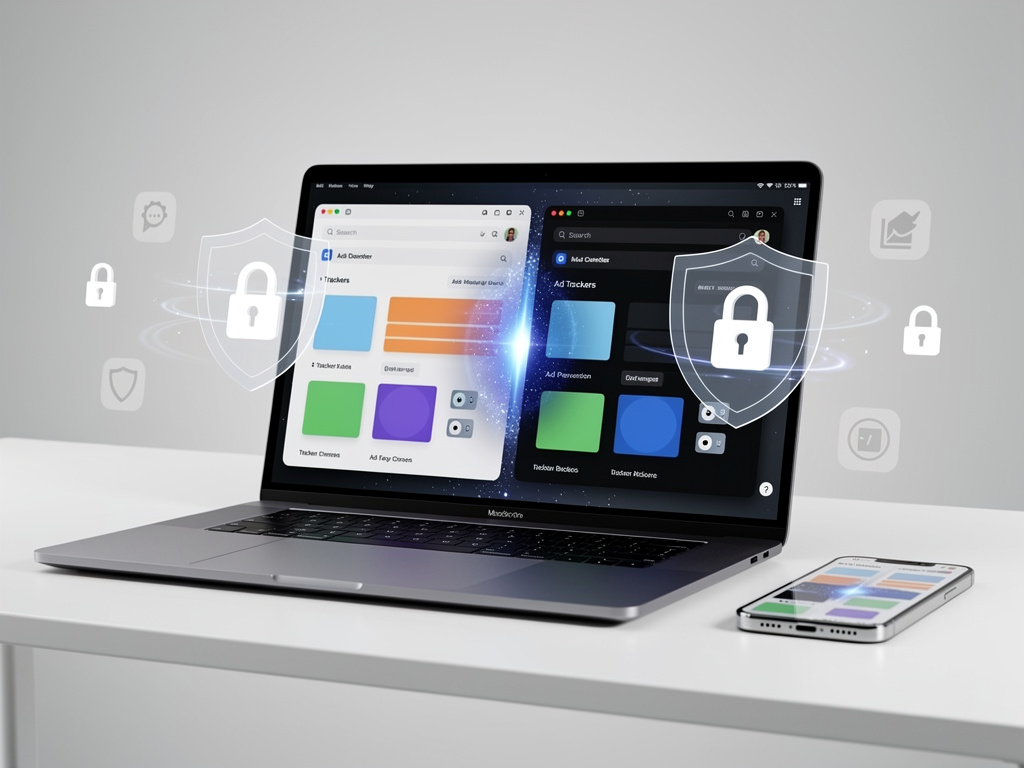
Integrating the two involves enabling Firefox Focus as a content blocker within Safari’s settings. On an iPhone, users can download Firefox Focus from the App Store and activate it via Safari’s extensions menu. This setup allows Safari to borrow Focus’s robust blocking mechanisms, effectively turning the native browser into a privacy fortress. As detailed in the MakeUseOf article, this fusion provides a “toned-down version of Firefox” experience within Safari, where ads and trackers are thwarted by default, leading to faster load times and reduced data consumption.
Delving into Privacy Mechanics
Beyond basic blocking, the integration shines in its handling of online trackers that follow users across sites. Firefox Focus employs advanced techniques to prevent social media giants and advertisers from compiling detailed profiles. When combined with Safari, this means users get Mozilla’s privacy engine layered atop Apple’s ecosystem, creating a barrier that’s tougher for data harvesters to penetrate. Recent posts on X highlight this appeal, with users praising how the combo has blocked thousands of trackers, resulting in noticeably quicker browsing sessions.
Comparisons with other browsers reveal why this hybrid stands out. For instance, while Google Chrome offers extensions for privacy, it often falls short in default protections due to its parent company’s ad-driven business model. In contrast, a comparison from Firefox’s official site notes that Firefox browsers, including Focus, prioritize user privacy over data collection, outpacing Safari in some anti-tracking metrics. Yet, by merging them, users avoid choosing sides, enjoying Safari’s smooth iOS integration alongside Focus’s stringent controls.
Industry insiders point out that this setup addresses a common pain point: the trade-off between convenience and security. Safari’s private browsing mode is solid, but it doesn’t automatically erase sessions like Focus does. The one-tap history clear in Focus, when extended to Safari, ensures no lingering data trails, which is crucial for professionals handling sensitive information. Moreover, Mozilla’s backing adds credibility, as the organization has long championed open-source privacy tools.
Practical Implementation and User Feedback
Setting up the integration is straightforward, as outlined in resources like Make Tech Easier. Start by installing Firefox Focus, then navigate to Safari’s settings, select “Extensions,” and enable Focus as a content blocker. This doesn’t replace Safari but enhances it, allowing users to browse with automatic ad-blocking and tracker prevention. For those on iOS, it’s particularly seamless, as Focus was originally designed to complement Safari on Apple devices.
User experiences shared across platforms underscore the benefits. On X, multiple posts from privacy advocates describe how this pairing has transformed their daily browsing. One user reported blocking over 8,900 trackers in a short period, attributing faster page loads to the reduced ad clutter. This sentiment echoes in Reddit discussions, such as a thread from r/firefox, where participants clarify that integration means using Focus as a blocker, not a full browser replacement.
Critics might argue that dedicated privacy browsers like Brave or DuckDuckGo offer similar features out of the box. However, for Apple users, sticking with Safari’s ecosystem while bolstering it with Focus avoids the hassle of switching apps entirely. A review from TechRadar praises Focus for its mobile-centric privacy focus, noting its well-rounded security when compared to other browsers, which aligns perfectly with Safari’s strengths in performance.
Technical Underpinnings and Advancements
At a deeper level, the synergy between Safari and Firefox Focus leverages distinct technologies. Safari’s WebKit engine emphasizes speed and standards compliance, while Focus builds on Mozilla’s Gecko engine for enhanced blocking. When integrated, Focus acts as an extension, injecting its rules into Safari’s rendering process. This means trackers are halted before they load, preserving battery life and data usage—key for mobile users.
Recent updates have further refined this. According to privacy testing updates shared on X by organizations like privacytests.org, Safari has improved its private window protections, partitioning APIs to prevent data leaks. Firefox-based browsers, including Focus, have led in these areas, and their integration pushes Safari closer to parity. A post from DuckDuckGo on X even highlights similar extensions for Safari, reinforcing the trend toward modular privacy enhancements.
For industry professionals, this hybrid model represents a shift toward customizable browsing. Mozilla’s support pages, such as this one on Safari integration, provide troubleshooting for common issues like JavaScript conflicts, ensuring smooth operation. As browsers evolve, this approach could inspire more cross-platform collaborations, blending proprietary and open-source elements for better user control.
Broader Implications for Browser Evolution
The rise of such combinations reflects growing consumer demand for privacy amid escalating data breaches. News from Vice differentiates Focus from standard Firefox, emphasizing its standalone privacy role, which complements Safari without overwhelming users with features. This is especially relevant in 2026, as regulations like enhanced GDPR enforcement push companies to prioritize user data rights.
Comparisons with competitors, detailed in a 2025 analysis from StandsApp, show Firefox edging out Safari in security, but the hybrid mitigates these gaps. Users on X, including tech influencers, frequently discuss customizing browsers for privacy, with one recent tweet from MakeUseOf promoting the exact Safari-Focus combo as ideal.
Professionals in tech sectors, from cybersecurity to app development, see this as a blueprint for future tools. By not forcing a full switch, it lowers barriers to adoption. Moreover, as outlined in a Boulder Mac Repair piece from their site, Safari’s minimalist design pairs well with Focus’s additions, creating a balanced experience superior to bulkier alternatives like Chrome.
Real-World Applications and Challenges
In practice, this setup excels for tasks requiring discretion, such as researching competitive intelligence or accessing public Wi-Fi. Journalists and executives report using it to evade targeted ads that could reveal search patterns. An X post from a user named Ray quantifies the impact, noting thousands of blocked trackers leading to snappier performance.
Challenges include occasional compatibility issues, like extensions clashing with site functionalities. Mozilla’s Focus page on the App Store, available at Apple’s store, advises users to toggle settings for problematic sites. Despite this, the overall feedback is positive, with many viewing it as a step toward “perfect” browsing.
Looking ahead, as Mozilla continues updating Focus—recently expanding to PC via emulators as per Priori Data—the integration could extend beyond mobile. This evolution might pressure Apple to incorporate similar features natively, fostering innovation in the browser space.
Voices from the Community and Expert Insights
Community sentiment on X, from privacy-focused accounts like Psylo and John Wilander, underscores the value of anti-fingerprinting and tracker blocking. Wilander’s historical post celebrates Firefox’s default protections, mirroring what the Safari-Focus duo achieves today.
Experts argue this hybrid democratizes advanced privacy, making it accessible without technical expertise. A Mozilla announcement tweet from years ago introduced Focus as a Safari complement, a vision now fully realized.
Ultimately, for insiders, this combination isn’t just convenient—it’s a strategic tool in the ongoing battle for digital autonomy, blending the best of two worlds into a seamless, secure browsing paradigm. As threats evolve, such innovations will likely define the next generation of web experiences.


 WebProNews is an iEntry Publication