
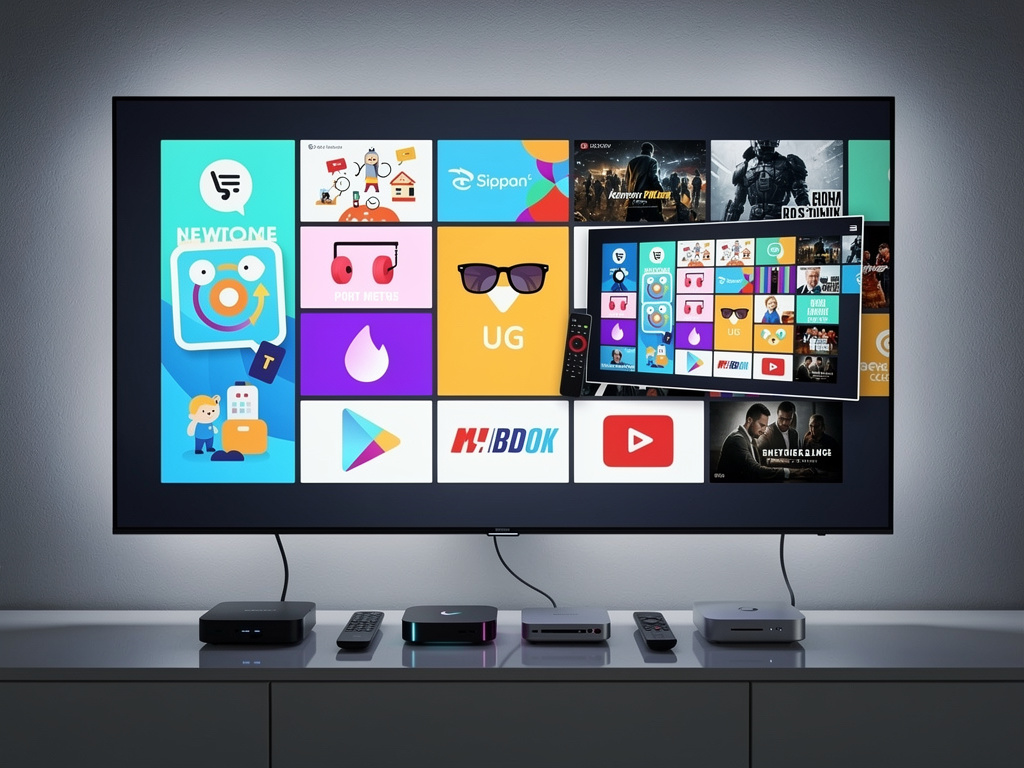
Roku Inc., the dominant force in streaming television hardware, has ignited a firestorm of criticism from its user base following a significant redesign of its home screen interface. The changes, which the company quietly rolled out to millions of devices, represent one of the most substantial alterations to the platform’s user experience in years—and the backlash suggests Roku may have miscalculated what its customers actually want from their streaming experience.
According to TechRadar, the redesign introduces a more prominent advertising presence on the home screen, with sponsored content tiles now occupying prime real estate previously reserved for user-selected apps and channels. The move appears designed to boost Roku’s advertising revenue stream, which has become increasingly critical to the company’s financial performance as hardware margins remain thin and competition from Amazon, Google, and Apple intensifies.
The timing of this interface overhaul is particularly noteworthy. Roku has been under mounting pressure from Wall Street to demonstrate sustainable profitability beyond hardware sales. The company’s platform business—which includes advertising, content distribution, and premium subscriptions—generated $741 million in revenue during the third quarter of 2023, representing 83% of total revenue, according to the company’s earnings reports. This heavy reliance on platform revenue explains why Roku is willing to risk user dissatisfaction to maximize advertising opportunities.
The Commercial Imperative Behind Interface Changes
Industry analysts have long predicted that streaming device manufacturers would eventually prioritize advertising revenue over user experience, and Roku’s latest move confirms this trajectory. The company’s business model has evolved significantly since its inception as a hardware manufacturer. Today, Roku operates more like a media company than a device maker, with its profitability hinging on its ability to capture viewer attention and monetize it through targeted advertising.
The redesigned home screen places sponsored content in a carousel format that users must navigate through before accessing their preferred applications. This design choice ensures maximum visibility for advertisers but creates additional friction for users seeking quick access to their favorite streaming services. Social media platforms, particularly Reddit and Twitter, have erupted with complaints from longtime Roku users who describe the new interface as cluttered, confusing, and overly commercialized.
User Backlash and the Trust Equation
The intensity of the negative reaction highlights a fundamental tension in the streaming device market: companies need to generate revenue from their installed base, but aggressive monetization risks alienating the very users who made their platforms successful. Roku’s approach stands in contrast to Apple TV, which maintains a premium price point and minimal advertising presence, though Apple’s strategy relies on its broader ecosystem and higher-margin hardware business to sustain profitability.
Consumer advocacy groups have noted that Roku’s terms of service give the company broad latitude to modify the user interface without explicit consent, a common practice across the technology industry but one that feels particularly invasive when it affects a device in the intimate space of the living room. The Electronic Frontier Foundation has previously raised concerns about smart TV platforms collecting extensive data on viewing habits, and the new interface design appears optimized to capture even more granular information about user behavior and preferences.
The Streaming Device Market’s Shifting Dynamics
Roku’s market position, while still dominant with an estimated 70 million active accounts in the United States, faces increasing pressure from multiple directions. Amazon’s Fire TV devices have gained significant market share through aggressive pricing and integration with Prime Video. Google’s Chromecast with Google TV offers a sophisticated interface at competitive prices. Meanwhile, many television manufacturers now build streaming capabilities directly into their sets, potentially eliminating the need for external devices altogether.
The company’s stock performance reflects these challenges. After reaching highs above $400 per share in 2021, Roku’s stock has experienced significant volatility, trading in a range that suggests investor uncertainty about the company’s long-term competitive positioning. The pressure to demonstrate consistent revenue growth and a path to sustained profitability has intensified, making platform monetization through advertising not just desirable but essential for management.
Advertising Revenue as the New Battleground
Roku’s advertising business has become increasingly sophisticated, offering targeted capabilities that rival traditional television advertising while providing the measurement and attribution that digital advertisers demand. The company’s OneView ad platform allows marketers to reach audiences across streaming channels, and the home screen redesign ensures that Roku maintains control over premium inventory that commands higher advertising rates.
The strategic calculation appears to be that while some users may complain about increased advertising presence, relatively few will actually switch to competing platforms, particularly given the hassle of reconfiguring streaming services and the comparable advertising loads on alternative devices. This bet on user inertia is common in technology platforms but carries risks, particularly as consumers become more sophisticated about privacy concerns and advertising fatigue.
The Premium Alternative Dilemma
Some industry observers have suggested that Roku could offer a premium, ad-free home screen experience as a paid subscription option, similar to how YouTube offers Premium subscriptions to remove advertising. However, such an approach would require careful calibration to avoid cannibalizing the advertising revenue that has become central to the business model. The challenge lies in finding a price point that generates meaningful subscription revenue without being so high that it drives users toward competing platforms.
The redesign also raises questions about the future of user interface design in streaming platforms. As companies prioritize monetization, the risk grows that interfaces will become increasingly cluttered and difficult to navigate, potentially undermining the core value proposition that made streaming attractive in the first place: simplicity and user control. The television industry’s history suggests that excessive advertising eventually triggers consumer backlash, though the threshold for what constitutes ‘excessive’ continues to evolve.
Competitive Responses and Market Evolution
Roku’s competitors are watching the situation closely, likely evaluating whether similar interface changes would be tolerated by their own user bases. Amazon has already implemented prominent advertising on Fire TV devices, suggesting a broader industry trend toward monetizing home screens. Apple’s more restrained approach may become a differentiating factor for premium-conscious consumers, though the company’s higher hardware prices limit its addressable market.
The situation also highlights the power dynamics in the streaming ecosystem. Content providers like Netflix, Disney, and Warner Bros. Discovery depend on platforms like Roku for distribution but have limited ability to influence interface decisions that affect how prominently their services are displayed. These tensions occasionally erupt into public disputes, as when Roku and Google clashed over YouTube TV distribution terms, demonstrating the high stakes involved in platform control.
The Path Forward for Platform Monetization
For Roku, the challenge will be finding the optimal balance between advertising revenue and user satisfaction. The company’s management has historically shown willingness to adjust course when user feedback is particularly negative, though the fundamental imperative to grow platform revenue remains unchanged. The question is whether the current redesign represents a sustainable equilibrium or merely the opening salvo in an ongoing negotiation between the company and its users.
The broader implications extend beyond Roku to the entire connected television ecosystem. As streaming services raise prices and add advertising tiers, and as device manufacturers seek new revenue streams, consumers face an increasingly complex and commercialized viewing environment. The promise of streaming—liberation from cable television’s advertising loads and rigid programming schedules—risks being undermined by the same economic pressures that shaped the traditional television industry.
The Roku controversy serves as a reminder that in the technology sector, user experience and business model sustainability exist in constant tension. Companies that successfully navigate this tension tend to be those that maintain transparent communication with users and demonstrate willingness to iterate based on feedback. Whether Roku will adjust its approach or hold firm in pursuit of advertising revenue will likely become clear in the coming quarters, as user retention data and platform engagement metrics reveal the true impact of the controversial redesign. For now, the streaming device leader faces a critical test of whether it can maintain market dominance while fundamentally altering the user experience that built its success.


 WebProNews is an iEntry Publication