
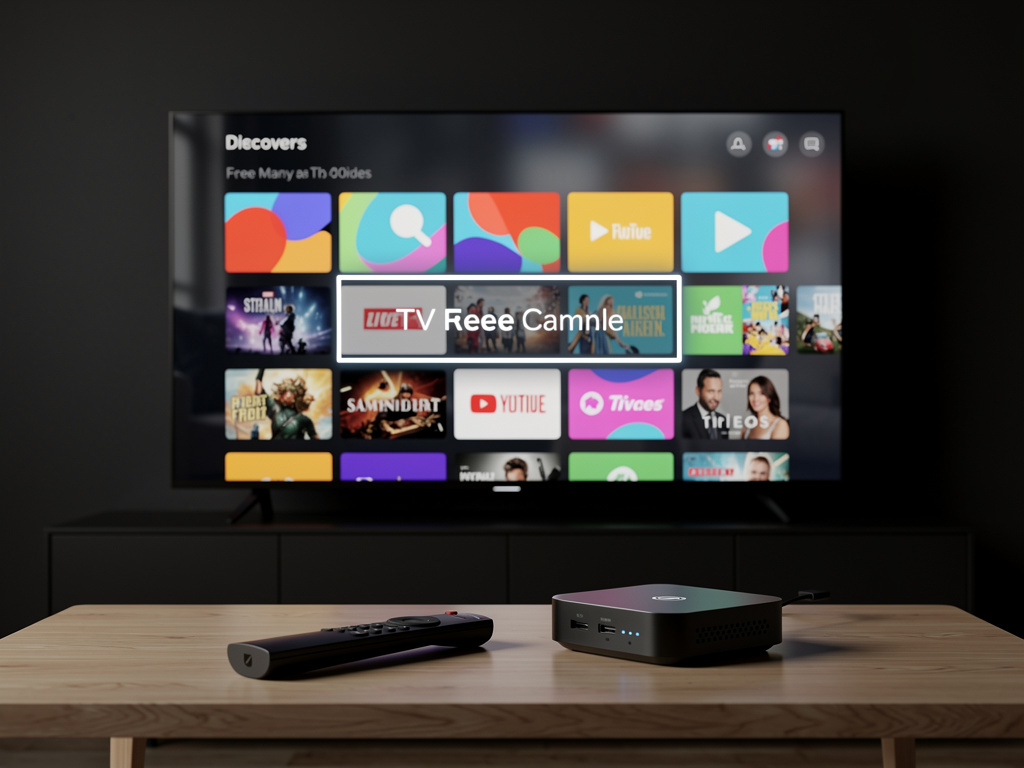
Roku has expanded its offerings with a new search function integrated into its live TV guide, making it easier for users to find free channels and shows without sifting through endless options. This update allows people to locate specific content directly within the guide, which aggregates hundreds of free streaming channels. For those familiar with Roku devices, this means typing in a show name or genre and getting results that point to live broadcasts or on-demand selections available at no cost. The feature builds on Roku’s existing platform, which already provides access to a wide array of ad-supported entertainment, and it simplifies the process of discovering what’s playing right now or soon.
The live TV guide on Roku serves as a central hub for free streaming. It lists channels in a grid format similar to traditional cable guides, showing what’s airing in real time across categories like news, sports, movies, and kids’ programming. With the added search capability, users can enter queries such as “action movies” or “cooking shows,” and the system pulls up relevant channels and episodes. This is particularly helpful for cord-cutters who rely on free services to replace paid subscriptions. Roku’s approach ensures that the search results prioritize content that’s immediately accessible, often from partners like Pluto TV, Tubi, or Roku’s own channels. According to reports from Android Police, this enhancement rolled out to improve navigation, addressing common complaints about overwhelming choices in streaming.
To use this feature, start by opening the Roku app or navigating to the live TV section on your device. The search bar appears at the top of the guide, ready for input via remote or voice commands if your setup supports it. Once you type or speak your query, the guide filters the listings, highlighting matches with details like channel number, start time, and a brief description. For example, searching for “classic comedies” might bring up episodes of old sitcoms airing on dedicated nostalgia channels. If the content isn’t live, the search can direct you to on-demand libraries within the free ecosystem. This integration means you don’t have to jump between apps; everything stays within Roku’s interface, which supports devices from smart TVs to streaming sticks.
One key aspect is how this search ties into Roku’s broader free TV strategy. The company has been building its catalog of ad-supported video on demand (AVOD) for years, amassing over 350 live channels that cover everything from local news to international films. These channels are funded by ads, so viewers get content without paying, though they endure occasional commercials. The search function enhances this by making the vast library more approachable. Imagine wanting to watch a documentary on history; instead of scrolling through the entire guide, you search and find options like Smithsonian Channel streams or PBS specials. This saves time and reduces frustration, especially for households with multiple viewers who have different tastes.
Beyond basic searches, the feature includes some smart elements. It can recognize popular titles and suggest related content, drawing from metadata provided by channel partners. For instance, if you look for a specific movie franchise, it might list live airings plus similar recommendations. Voice search compatibility with assistants like Google Assistant or Alexa adds convenience, allowing hands-free operation. On mobile devices, the Roku app mirrors this functionality, so you can plan viewing from your phone and cast to a TV. This cross-device support broadens its appeal, catering to users who switch between screens throughout the day.
Comparing this to other platforms reveals Roku’s strengths in the free content space. Services like Amazon’s Freevee or Samsung TV Plus offer similar guides, but Roku’s search feels more refined because it focuses exclusively on free options without pushing premium upsells aggressively. Netflix or Hulu, while excellent for paid content, don’t emphasize free live TV in the same way. Pluto TV, owned by Paramount, has a strong guide but lacks the device-agnostic integration that Roku provides across its hardware lineup. What sets Roku apart is its neutral stance; it doesn’t favor its own content over partners, creating a balanced environment where users can explore without bias. This openness has helped Roku capture a significant market share, with millions of active accounts worldwide.
Historically, Roku started as a simple streaming box in 2008, evolving into a full-fledged operating system for TVs. Its push into free TV began around 2017 with the launch of The Roku Channel, which aggregates movies, series, and now live feeds. This channel has grown rapidly, adding original programming and licensed hits. The live guide search is a natural progression, responding to user feedback for better discoverability. Data from industry analyses shows that free streaming viewership has surged, with AVOD projected to generate billions in ad revenue annually. Roku positions itself at the forefront by refining tools like this search, ensuring users stick around longer and engage more deeply with the platform.
For everyday users, the benefits are clear. Families can quickly find kid-friendly cartoons without subscribing to Disney+, while sports fans might locate free game highlights or niche leagues. News junkies benefit from instant access to live broadcasts from outlets like ABC News or CNN clips. The ad-supported model keeps costs down, appealing to budget-conscious viewers amid rising subscription fees elsewhere. Moreover, the search helps surface hidden gems—obscure channels that might otherwise go unnoticed, such as those dedicated to travel vlogs or indie films. This democratizes content access, giving smaller creators a chance to reach audiences through Roku’s distribution.
Of course, no system is perfect. Some users report that search results can be hit-or-miss if the query is too vague, leading to unrelated suggestions. The reliance on ads means interruptions during viewing, which might annoy those accustomed to ad-free experiences. Additionally, content availability varies by region due to licensing agreements, so not every channel is accessible everywhere. Roku could improve by adding more personalization, like saved searches or profiles that remember preferences. Despite these minor issues, the overall feedback has been positive, with many praising the update for streamlining their routines.
Looking ahead, this feature could evolve further. Integration with emerging technologies, such as AI-driven recommendations, might refine searches based on viewing history. Partnerships with more content providers could expand the library, potentially including live events or exclusive streams. As streaming continues to fragment, tools like Roku’s live guide search help consolidate options, making it simpler to enjoy entertainment without multiple apps. For developers and content creators, this means greater visibility if they align with Roku’s standards, fostering a vibrant marketplace.
In practical terms, setting up the feature is straightforward. Ensure your Roku device is updated to the latest software version, which often includes these enhancements automatically. From there, explore the guide and experiment with searches to see what suits your interests. Tips include using specific keywords for better accuracy, like including genres or actor names, and checking the schedule ahead to plan viewings. Combining this with Roku’s other features, such as screen mirroring or guest mode, enhances the experience for shared households.
Ultimately, Roku’s live guide search represents a thoughtful step toward making free TV more user-friendly. It addresses the challenge of content overload by providing a direct path to what’s available, encouraging more people to embrace ad-supported streaming as a viable alternative to traditional cable. Whether you’re a longtime Roku user or new to the platform, this tool offers a way to maximize the value of free channels and shows, enriching daily entertainment without added expense. As the company continues to innovate, features like this keep it relevant in a competitive field, supporting diverse viewing habits across the globe.


 WebProNews is an iEntry Publication