
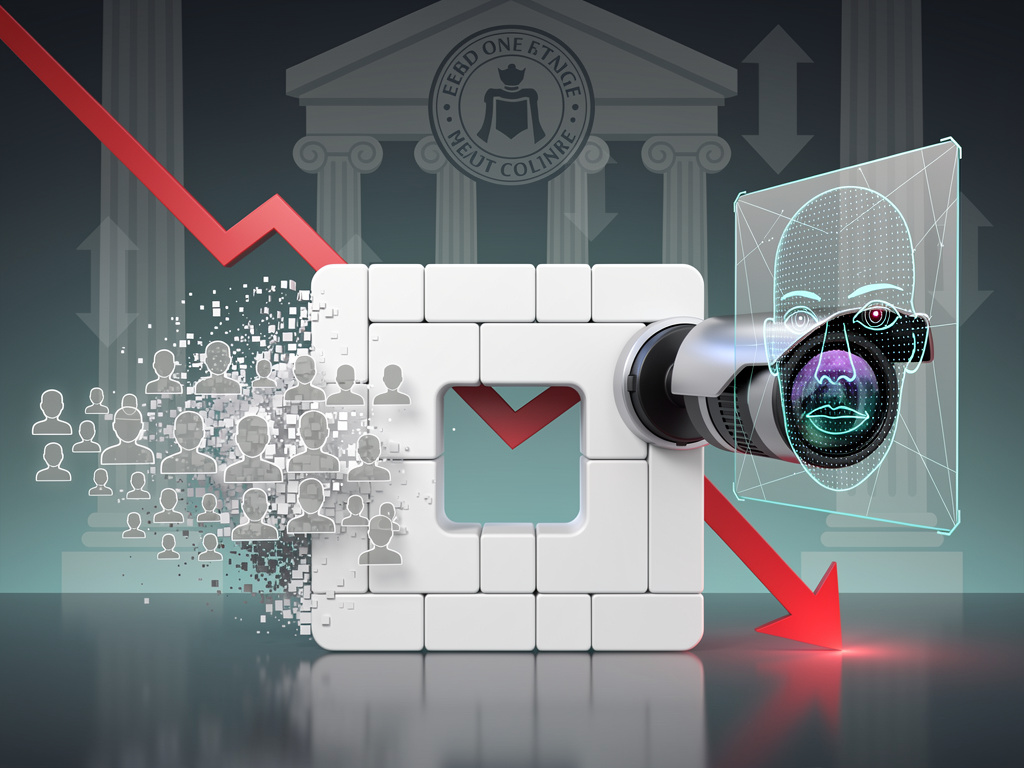
Roblox bet big on age verification. The results came fast. Daily active users fell from 152 million in late 2025 to 132 million in the first quarter of 2026. That’s a 20 million drop in roughly six months. Shares plunged as much as 19 percent in a single session after the company slashed its full-year outlook. Executives called it short-term friction. Critics see something deeper.
The platform once famous for unfiltered creativity now demands facial scans or ID uploads for chat access. Rollout began in select markets late last year. By January it went global. Users who skip the process lose all communication features. Those who comply get slotted into age-based buckets. Kids under 9. Select accounts for 9-to-15. Standard experience only after 16. The changes fractured the social core that made Roblox sticky.
Company leaders anticipated pushback. They didn’t expect this scale. In its shareholder letter, Roblox admitted the age-check system “restricted on-platform communication for non-age checked users, diluted communication for age-checked users, and slowed new user acquisition.” Greater-than-expected headwinds, they said. Revenue still hit $1.4 billion in the quarter. Bookings guidance for the year fell sharply. CEO David Baszucki defended the move on CNBC’s Squawk Box. “Part of what we’re rolling out with age check, we believe, is the real, right long-term way to build this platform.”
But. The data tells a harsher story. Only 51 percent of global daily active users had completed checks by quarter’s end. In the U.S. that figure reached 65 percent. The remaining third sits in a crippled state. No chat. Limited games. For a platform where social play drives retention, those barriers matter. Teens make up a huge portion of the audience. Many simply walked away rather than submit a selfie to a third-party system.
Roblox isn’t alone in this experiment. State lawmakers across the U.S. have raced to pass age verification mandates. WebProNews documented how Big Tech helped shape the very laws now pressuring platforms. The playbook looks familiar. Companies first adopt technical solutions to limit liability. Regulators then cite those solutions as minimum standards. The result locks in surveillance infrastructure while shielding the largest players.
Similar dynamics appear in recent bills. System76 called out the real agenda behind many state proposals. The company warned that liability protection for big platforms often doubles as a backdoor for government surveillance. Smaller developers and open-source projects get caught without the resources to comply. Illinois SB 3977 and California’s AB 1043 illustrate the pattern. Both risk forcing age-gating mandates onto every app, including those without centralized accounts.
Roblox chose to move ahead of regulators. It became the first major gaming platform to require facial age estimation for chat. The technology comes from Persona. Images get deleted after processing, the company insists. Error rates average plus or minus 1.4 years for minors. Still, reports of bypassed accounts surfaced within weeks. Black markets for verified profiles popped up on eBay and similar sites. False positives flagged adults as children or vice versa. Re-check prompts based on behavior added another layer of annoyance.
And the privacy trade-off looms large. Users hand over biometric data to play a game with friends. Parents gain stronger controls. Kids lose the chaotic freedom that defined early Roblox. The new Kids and Select accounts rolling out in June will further segment experiences. Curated game lists. Stricter communication defaults. Ongoing moderation layered on top of existing AI tools. Chief Safety Officer Matt Kaufman described the shift as necessary after years of lawsuits and scrutiny over predator activity.
Recent coverage reinforces the tension. CNBC reported the 18 percent share drop tied directly to child safety measures. The stock lost more than $7 billion in market value in one day. Analysts questioned whether the safety investments will pay off before growth fully recovers. Yahoo Finance quoted Baszucki acknowledging “short-term friction” in the U.S. market where chat now requires verification. The remaining 35 percent of users there can’t fully participate.
Broader industry questions emerge. Does mandatory age gating actually protect children? Or does it simply push risky behavior into less monitored corners of the internet? Rest of World explored this in February. Facial technology shows known biases against women and people of color. Accuracy varies. Marginalized users risk exclusion. On Roblox, a 14-year-old might get estimated as 16 or 17 and suddenly gain access to older chat groups. The opposite problem silences younger players inside their own communities.
California’s aggressive timeline adds pressure. AB 1043 sets a 2027 deadline that could reshape development practices. Linux distributions and open-source tools find themselves in the crossfire, as detailed in WebProNews coverage of the firestorm. Colorado floated exemptions for open-source software. The carve-out matters. It signals recognition that one-size-fits-all rules break smaller players first.
Roblox stock performance reflects investor doubt. The 19 percent plunge marked the steepest drop in over four years. Guidance cuts of roughly $900 million at the midpoint for 2026 bookings sent a clear signal. Safety comes at a cost. Engagement metrics suffered. New user growth slowed more than models predicted. Russia’s platform block compounded the numbers. Yet the core issue remains domestic.
Executives point to long-term gains. Better brand reputation. Fewer lawsuits. Stronger parental trust. Expanded controls in the new account tiers include parental approval for games and tighter content ratings. AI moderation continues to evolve. The company promises dynamic game selection for users under 16 based on developer verification and ongoing reviews.
Still, the user drop hits hard. Twenty million fewer daily players changes the math. Creators feel it in reduced audiences. Advertisers see smaller reach. The social fabric frays when chat becomes age-siloed. A 12-year-old can’t easily play with a 17-year-old friend without extra steps. Friction compounds. Some teens simply quit.
Recent articles capture the fallout. Reuters noted shares hit 18-month lows after the forecast cut. Continued short-term pressure from age-based accounts, content monitoring, and verification requirements. Probes into child safety persist. The platform faces global scrutiny.
So what happens next? Roblox says it will refine the system. Improve accuracy. Reduce re-check prompts. Expand parental tools. Add read-only chat options for verified adults in moderation roles. The June launch of dedicated Kids and Select tiers will test whether curated experiences can win back trust without losing the platform’s creative soul.
The experiment matters beyond one company. Other social and gaming platforms watch closely. Meta, Discord, and smaller players have delayed or adjusted their own verification plans after user backlash. Discord paused global rollout following a breach involving ID scans. Privacy advocates warn that biometric collection at scale creates irresistible targets. Governments see opportunity for broader identity systems.
Roblox walked into this with eyes open. Lawsuits over alleged inadequate protections left little choice. Baszucki has called the age-check framework a gold standard for communication safety. It limits adult-minor interaction. It provides data for better moderation. Yet the immediate price tag reads 20 million users and a battered stock price.
The coming quarters will reveal whether this trade-off holds. Can Roblox rebuild growth on a safer but more restricted foundation? Or will the barriers prove too high for an audience that prized free-form social play above all? The answer will shape not just one platform but the future rules for every digital space where children gather. Industry insiders already know the stakes. The numbers don’t lie. Safety measured in lost users carries its own risks.


 WebProNews is an iEntry Publication