
Rivian has reached a decisive moment. After years of promises and production struggles with its larger R1 trucks and SUVs, the company begins customer deliveries of the R2 this month. The midsize electric SUV carries lower prices, sharper performance targets and the weight of the automaker’s future.
Orders opened June 9 with invitations sent to reservation holders. The first vehicles available come as the Performance trim bundled with a Launch Package. Pricing starts at $57,990 for that version. Rivian Stories confirmed the rollout schedule. Premium configurations follow in late 2026. The entry-level Standard model arrives in 2027 at $44,990.
Buyers choose from six initial exterior colors. Options include Esker Silver, Glacier White, Midnight, Catalina Cove, Half-Moon Grey and the exclusive Launch Green. Forest Green becomes available in August 2026. Borealis, a deep violet shade, joins in September. Interiors open with Black Crater standard, though higher trims add wood accents, heated and ventilated seats. Wheels range from 19-inch all-season to 21-inch performance sets. Business Insider detailed the full palette and ordering options.
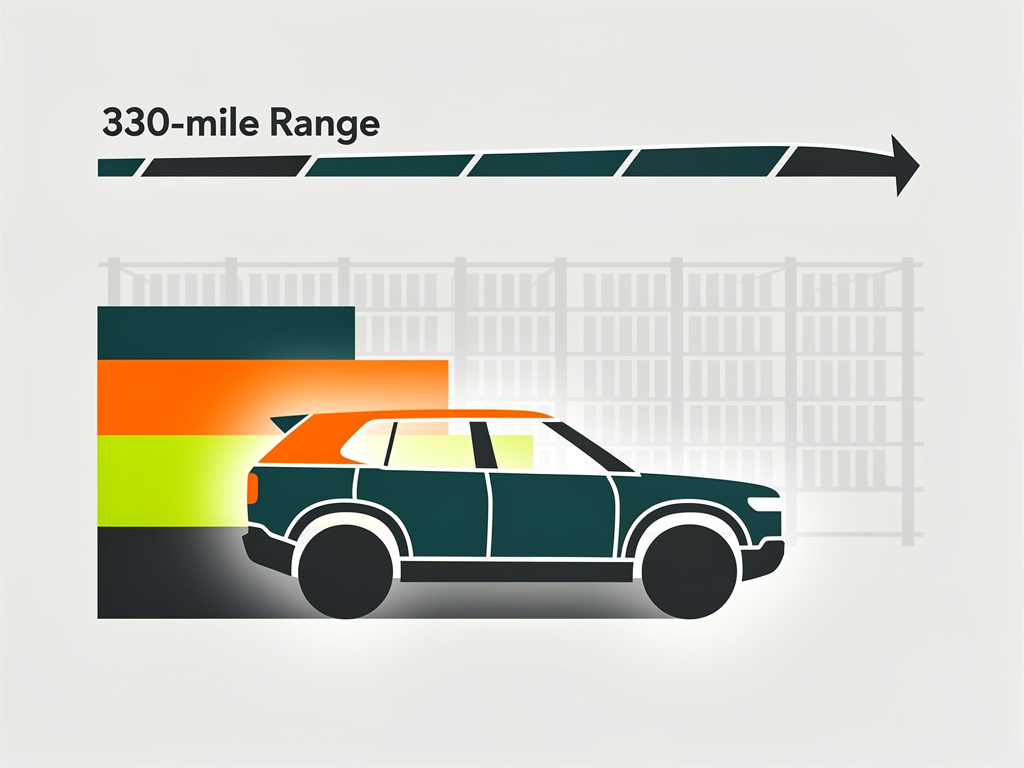
Performance numbers impress on paper. The top Launch Package variant delivers 656 horsepower from dual motors with all-wheel drive. It hits 60 mph in 3.6 seconds and targets 330 miles of range. The upcoming Premium trim offers 450 horsepower and 4.6-second acceleration with the same range estimate. Base Standard models drop to single-motor rear-wheel drive, 350 horsepower, 5.9-second sprint and 275 miles. All estimates remain preliminary. Actual EPA figures will follow certification.
But numbers alone don’t capture the shift. Rivian designed the R2 around adventure without sacrificing daily usability. Storage totals 90 cubic feet with seats folded. Rear legroom measures 40.4 inches. Towing capacity reaches 3,500 pounds when equipped. Bidirectional charging lets owners power tools, campsites or even homes during outages. Fast charging adds 150 miles in 15 minutes on DC stations. The NACS port grants access to more than 21,000 Tesla Superchargers across the U.S. and Canada.
Software defines much of the experience. Every R2 ships with a 60-day trial of Autonomy+. The system provides hands-free driving on marked lanes across 3.5 million miles of roads. Lane changes happen on command on divided highways. Over-the-air updates will improve the vehicle long after delivery. An AI voice assistant responds to “Hey Rivian.” Haptic controls on the steering wheel replace traditional buttons. The company promises the R2 gets better with time.
Production ambitions match the hype. Rivian targets 20,000 to 25,000 R2 deliveries in 2026. That pace would rank among the fastest EV ramps in U.S. history. Only the Tesla Model Y reached 20,000 units quicker. The Chevy Blazer EV took more than a year. InsideEVs reported the targets and context from a TechCrunch analysis. Success here determines whether Rivian scales to profitability or struggles with cash burn.
Early reviews suggest strong demand. Prototypes shed camouflage months ago. First-drive impressions from Kelley Blue Book and independent testers praise the ride, interior quality and character. One reviewer called it overwhelmingly promising after spending time behind the wheel. Recent X posts from owners and enthusiasts echo the sentiment. Configure invitations continue rolling out. Demo drives run at Rivian centers. Some customers already take delivery.
Challenges remain. Service teams face pressure as volumes grow. Recent layoffs in diagnostics raised concerns among owners on X about support for a new model. Manufacturing validation vehicles rolled out earlier this year at the expanded Normal, Illinois plant. Body shop and general assembly buildings stand ready. Yet hitting 20,000-plus units while maintaining quality tests the young company.
CEO RJ Scaringe sees the R2 as transformative. “The launch of R2 really ignites the business and the scale R2 brings,” he told investors. The model opens Rivian to a far broader audience than the premium R1 lineup. It competes directly against the Tesla Model Y in size and price, though with distinct styling and off-road focus.
Additional features sweeten the Launch Package. Buyers get a special key fob, tow package and the option for Launch Green paint. Compass yellow brake calipers add visual flair. Lidar hardware arrives later in 2026 to enable fuller self-driving capabilities. Semi-active suspension comes standard on top trims for better handling on trails or highways.
Lease deals start around $829 to $1,000 per month depending on trim and terms. Delivery windows run two to six weeks once orders confirm. Priority goes first to reservation date, then proximity to service centers. Existing R1 owners receive faster timing. Those with expiring leases get consideration. No factory pickups yet. Vehicles ship to local centers for handover.
The stakes could not run higher. Rivian burned cash for years perfecting its first products. Partnerships with Volkswagen and others provide breathing room. Yet the path to positive gross margins runs through R2 volume. Early data from order conversions will signal whether the excitement translates to sales. So far, social media buzz and review sentiment point positive.
Longer term, the R2 platform spawns the smaller R3 hatchback and R3X performance variant targeted for 2028. A Georgia factory planned for later this decade could lift total capacity toward 300,000 vehicles annually. For now, attention stays fixed on Normal and the first wave of R2s reaching driveways.
Color choices matter to early buyers. Launch Green stands out as the hero shade for the initial Performance models. More muted tones like Half-Moon Grey and Esker Silver appeal to daily commuters. Interior customization stays limited at launch but expands with time. Storage solutions, including frunk and underfloor compartments, suit adventure gear or grocery runs.
Charging infrastructure plays to Rivian’s advantage. Access to Tesla’s network removes one adoption barrier. In-app route planning shows exact charge times based on selected drive modes. Energy management systems optimize for efficiency or performance. These details accumulate. They differentiate the R2 from rivals that treat software as afterthought.
Industry watchers track every milestone. Production targets look aggressive yet achievable given progress on validation builds. Recent X discussions highlight both optimism and caution around service capacity. One user noted potential short-term strain after diagnostic team reductions. Another pointed to universal praise in reviews as reason for confidence.
Rivian positions the R2 as versatile. It handles trails with the brand’s signature adventure lighting and durable materials. It commutes quietly with refined suspension and minimal noise. Range covers most family trips without anxiety. Performance satisfies enthusiasts. Price opens the brand beyond early adopters who paid $80,000 and up for R1 vehicles.
The coming months bring clarity. As thousands of R2s enter service, real-world range, reliability and owner satisfaction data will emerge. Software updates will add features. Production will either accelerate smoothly or encounter hiccups. The company bet its trajectory on this vehicle. Early signs suggest the gamble may pay off. But execution decides everything.
One thing feels certain. The R2 marks Rivian’s move from niche builder to volume player. Its success or stumbles will shape the American EV story for years ahead.


 WebProNews is an iEntry Publication