
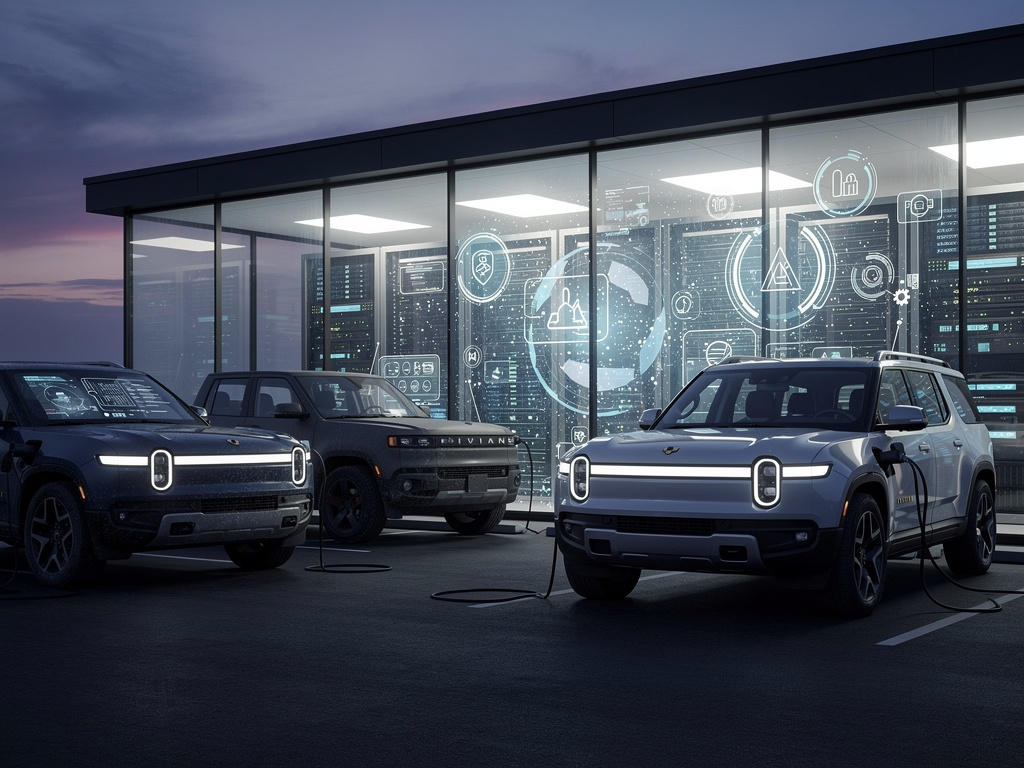
Rivian’s Shift Leaves Early Adopters in the Dust
In the fast-evolving world of electric vehicles, Rivian Automotive Inc. has positioned itself as a challenger to industry giants like Tesla, emphasizing adventure-ready trucks and SUVs with cutting-edge software. But recent developments have sparked controversy among its core user base: the early adopters who invested heavily in the company’s first-generation R1T and R1S models. Reports emerging in late 2025 suggest that Rivian is phasing out support for certain features in these older vehicles, effectively rendering them less competitive in an era where over-the-air updates define vehicle longevity. This move comes amid broader strategic pivots, including a focus on next-generation autonomy and software integration, raising questions about the company’s commitment to its pioneering customers.
At the heart of the discontent is Rivian’s handling of its beta testing program. Beta testers, often enthusiastic owners who volunteered to trial new software features, have reported abrupt terminations from the program without clear explanations. According to discussions on online forums and social media, these testers were instrumental in refining Rivian’s Driver+ system, an advanced driver-assistance feature. Yet, as the company rolls out updates tailored to its Gen 2 vehicles, early participants feel sidelined. One key indicator is the software update 2025.34, which introduced significant highway assist upgrades primarily for newer models, as detailed in an article from Electrek. This update highlights Rivian’s prioritization of hardware in Gen 2 trucks, leaving Gen 1 owners with limited access to enhancements.
The obsolescence narrative gains traction when examining Rivian’s roadmap for autonomy. An editorial from RivianTrackr argues that the company’s upcoming Autonomy Day will spotlight Gen 2 capabilities, potentially fading support for Driver+ on first-generation vehicles. Early adopters, who paid premiums for what was marketed as future-proof technology, now face the prospect of their trucks lagging behind in features like advanced voice controls and AI integration. Rivian’s announcement of an AI assistant launching in 2026, compatible across all EVs without new hardware, offers some hope, but skepticism abounds regarding its full implementation on older models, as covered in a piece by Digital Trends.
Beta Program Fallout and User Backlash
The termination of beta testers has not gone unnoticed, with many voicing frustrations on platforms like X, formerly Twitter. Posts from users highlight a sense of betrayal, with one account lamenting the lack of ongoing support for early trucks, drawing comparisons to more robust update ecosystems from competitors. This sentiment echoes broader concerns about Rivian’s software rollout strategy, where updates like 2025.14.0 were initially released to a small group of testers, as noted in threads on Rivian Forums. The program’s abrupt end, without compensatory perks or continued involvement, has led some to question whether Rivian views these users as disposable assets in its push toward profitability.
Financially, Rivian’s decisions align with a survival strategy amid market pressures. The company revised its 2025 delivery outlook downward earlier in the year, citing supply chain issues and competitive headwinds, according to posts on X that referenced earnings calls. This recalibration, detailed in a Market Minute report, emphasizes software-defined vehicles as a path to recovery. However, for early adopters, this means their Gen 1 trucks risk becoming relics, unable to fully leverage features like enhanced mapping or third-party app integrations promised in future updates.
Critics argue that Rivian’s approach mirrors a broader industry trend where rapid innovation outpaces legacy support. A Reddit thread from mid-2025, discussing update 2025.22, explained the phased rollout process and owner eagerness for features like Google Maps integration, as shared on Reddit. Yet, with Gen 2 vehicles receiving priority, Gen 1 owners report slower update cadences and feature gaps, fueling perceptions of planned obsolescence. This has prompted calls for better transparency, with some users on X suggesting class-action considerations if support dwindles further.
Strategic Pivots and Market Implications
Rivian’s focus on Gen 2 and beyond is part of a larger plan to expand its lineup, including the anticipated R2 model and enhanced autonomy features. Analysts are split on the company’s 2026 prospects, with stock predictions varying widely, as outlined in a 24/7 Wall St. analysis. The introduction of Autonomy+ could be a game-changer, but its emphasis on newer hardware leaves early trucks potentially incompatible with full capabilities. This shift is evident in Rivian’s software tracker resources, such as those from Rivian Roamer, which monitor real-time updates and highlight discrepancies between generations.
From an insider perspective, Rivian’s moves reflect the harsh realities of scaling an EV startup. The company has faced production hurdles and negative margins, as bemoaned in X posts criticizing its viability against behemoths like Tesla’s Cybertruck. One such post from a user comparing designs and autonomy promises underscores the competitive pressures, where Rivian’s R2 is pitched with “eventual autonomy” but lacks immediate hardware. This has led to investor optimism for 2026, with stock spiking 67% in 2025, per The Motley Fool, driven by software advancements rather than hardware retrofits for older models.
Service issues compound the obsolescence concerns. X users have shared stories of delayed repairs and unavailable parts for Rivian trucks, with one account detailing a tire service fiasco leading to weeks-long waits. This points to infrastructural growing pains, where early adopters bear the brunt of an immature support network. In contrast, Rivian’s survival plan, as explored in TechCrunch, extends beyond vehicles to partnerships and software ecosystems, potentially sidelining Gen 1 maintenance in favor of new revenue streams.
Autonomy Ambitions and Owner Dilemmas
Looking ahead, Rivian’s 2026 AI assistant promises voice-based controls and deeper integration, applicable to all EVs, which could mitigate some obsolescence fears. However, without hardware upgrades, Gen 1 trucks may not fully realize these benefits, as speculated in industry forums. The company’s update history, chronicled on RivianTrackr, shows a pattern of iterative improvements, but the gap between generations widens with each release. For instance, the 2025.14.1 update, discussed on Rivian Forums, added features like YouTube Music, yet beta testers felt excluded from subsequent iterations.
Early adopters’ plight is emblematic of the EV sector’s double-edged sword: innovation drives progress but can orphan initial supporters. X sentiment reveals a divide, with some praising Rivian’s trajectory while others decry the fading relevance of their investments. One post lamented the potential end of 2025 models without clear successors, tying into tariff dodges and tax credit changes affecting production plans.
Rivian’s leadership has yet to address these concerns directly, but insider sources suggest internal debates on legacy support. As the company rallies into 2026, per Market Minute, balancing innovation with customer loyalty will be crucial. Analysts from TechStock² note that while R2 and Autonomy+ could propel growth, neglecting early trucks risks alienating the brand’s foundational community.
Path Forward Amid Growing Pains
The broader implications for Rivian extend to investor confidence and market positioning. With stock predictions eyeing profitability in 2026, as per 24/7 Wall St., the company must navigate these owner grievances carefully. X posts comparing Rivian unfavorably to Tesla’s Cybertruck highlight design and performance critiques, yet Rivian’s adventure-oriented ethos retains a loyal niche. Service anecdotes, like prolonged waits for mobile repairs, underscore the need for robust after-sales infrastructure.
In industry circles, Rivian’s strategy is seen as a calculated risk: prioritize scalable software to attract new buyers while phasing out resource-intensive support for aging fleets. This mirrors tactics in consumer electronics, where older devices lose update eligibility. However, for vehicles representing significant financial commitments, such practices invite scrutiny.
Ultimately, Rivian’s handling of beta terminations and truck obsolescence will test its brand resilience. As updates continue to favor Gen 2, early adopters may seek alternatives, but the company’s software-defined future could yet redeem its promises. With Autonomy Day on the horizon, the coming months will reveal whether Rivian can bridge the divide or if its pioneers will be left behind in the electric revolution.


 WebProNews is an iEntry Publication