
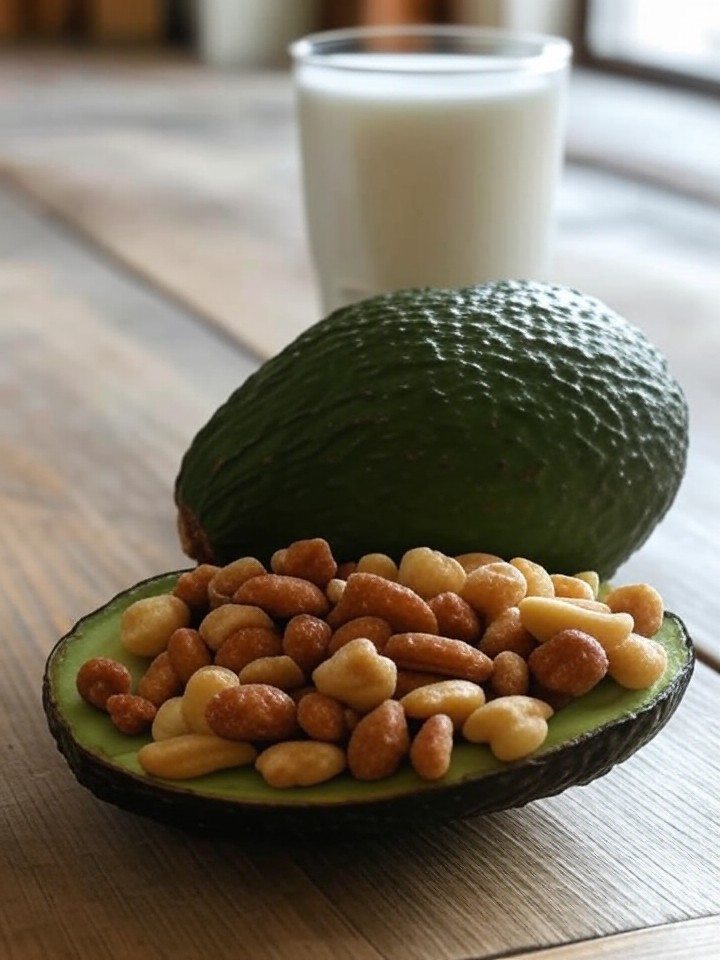
Revolutionizing Plates: RFK Jr.’s Bold Shift in America’s Dietary Fat Narrative
In a move that’s shaking up the nutrition world, Health and Human Services Secretary Robert F. Kennedy Jr. has unveiled the 2025-2030 Dietary Guidelines for Americans, marking a dramatic departure from decades of federal advice on fats. Released on January 7, 2026, these guidelines emphasize “healthy fats” as a cornerstone of a balanced diet, effectively ending what Kennedy calls the “war on saturated fats.” This pivot comes amid a national health crisis, with obesity rates soaring and chronic diseases like diabetes and heart conditions plaguing millions. Drawing from a chorus of recent studies and expert opinions, the guidelines promote whole foods, proteins, and fats from sources like avocados, nuts, olive oil, and even full-fat dairy—challenging long-held beliefs that demonized saturated fats.
The announcement, detailed in an official press release from the U.S. Department of Health and Human Services, positions real food at the heart of public health strategy. Kennedy, alongside Agriculture Secretary Brooke Rollins, highlighted how diet-related illnesses are draining healthcare resources and even affecting military readiness. “These Guidelines return us to the basics,” Kennedy stated, urging Americans to prioritize nutrient-dense options over ultra-processed items laden with added sugars. This isn’t just rhetoric; the guidelines will influence school lunches, federal nutrition programs, and even military rations, potentially reshaping how an entire generation eats.
For industry insiders, this shift represents a seismic change in policy that could ripple through food production, marketing, and retail sectors. Nutritionists and food scientists have long debated the role of fats, but Kennedy’s approach leans on emerging evidence suggesting that not all saturated fats are villains. Sources like beef tallow and butter, once sidelined, are now nodded to as viable options when part of a balanced intake. This aligns with Kennedy’s “Make America Healthy Again” (MAHA) initiative, which aims to combat chronic disease through lifestyle reforms.
The Science Behind the Fat Rethink
Delving deeper, the guidelines draw from a body of research indicating that healthy fats—monounsaturated and polyunsaturated varieties—support heart health, brain function, and metabolic stability. For instance, omega-3 fatty acids from fish and flaxseeds are praised for their anti-inflammatory properties. The Business Insider article explores this nuance, explaining that “healthy fats” encompass those from avocados, nuts, seeds, and olive oil, which can help lower bad cholesterol levels when replacing refined carbs. Experts quoted there note that the guidelines encourage full-fat dairy over low-fat alternatives, citing studies showing better satiety and nutrient absorption.
Critics, however, point out potential pitfalls. While the guidelines declare war on added sugars and ultra-processed foods, they ease restrictions on saturated fats without stringent limits, raising concerns among cardiologists. A report from NPR highlights Kennedy’s announcement, where he frames this as a return to ancestral eating patterns. Yet, some nutrition professionals worry that without clear portion controls, consumers might overindulge in high-calorie fats, exacerbating obesity.
From an insider’s perspective, this policy could boost markets for grass-fed meats and artisanal dairy, while pressuring big food companies to reformulate products. Recent posts on X reflect public excitement, with users praising the emphasis on real foods, though some express skepticism about implementation in schools and low-income programs. Searches on the web reveal a surge in discussions, with experts like those from the American Heart Association cautiously endorsing the focus on whole foods but calling for more data on long-term outcomes.
Navigating the New Fat Hierarchy
Breaking down the fat categories, the guidelines differentiate between types: saturated, unsaturated, and trans fats. Trans fats remain vilified and are advised to be minimized, aligning with prior recommendations. Unsaturated fats, particularly from plant sources, are elevated as heroes for their role in reducing inflammation and supporting cellular health. The CNN coverage notes the inclusion of beef tallow as a “healthy fat” option, a nod to traditional cooking fats that Kennedy argues have been unfairly maligned.
Practical tips for incorporating these fats abound in advisory materials. For example, swapping vegetable oils high in omega-6 for olive or avocado oil in cooking. The guidelines suggest aiming for fats to comprise 20-35% of daily calories, with an emphasis on variety to ensure a mix of essential fatty acids. Industry analysts see this as an opportunity for innovation in functional foods, like fortified yogurts or nut-based snacks that highlight these benefits.
However, the guidelines aren’t without controversy. Some public health advocates argue that promoting animal-derived saturated fats could undermine efforts to combat climate change, given the environmental impact of livestock farming. Web searches uncover debates on platforms like X, where environmental groups criticize the lack of sustainability focus, while supporters hail it as a step toward food sovereignty.
Impact on Public Health and Industry
The broader implications for public health are profound. With nearly 70% of American adults overweight or obese, as cited in the HHS release, these guidelines aim to reverse trends by promoting satiating, nutrient-rich diets. Kennedy’s vision includes reducing prediabetes in adolescents, currently affecting one in three, through better school meals featuring full-fat options and proteins. This could lead to measurable declines in healthcare costs, potentially saving billions annually.
For food manufacturers, adaptation will be key. Companies specializing in ultra-processed snacks may face regulatory pressures, while those in the natural foods sector stand to gain. A Guardian article details how the guidelines “declare war on added sugar,” prompting reformulations across the industry. Insiders predict a boom in labeling claims like “healthy fat enriched,” but warn of the need for transparent sourcing to avoid greenwashing.
Moreover, the guidelines integrate gut health considerations, recommending fermented foods rich in healthy fats to support microbiome diversity. This holistic approach, praised in PBS News reports, draws from recent microbiome research linking fat quality to overall wellness.
Challenges and Future Directions
Implementation challenges loom large. Schools and federal programs must overhaul menus, which could strain budgets initially. Nutrition educators will need training to communicate these changes effectively, ensuring that “healthy fats” don’t become a buzzword for unchecked consumption. X posts from educators express mixed feelings, with some excited about introducing kids to real butter and others concerned about accessibility in food deserts.
Looking ahead, the guidelines set targets for 2030, including reforms to food labeling and safety standards, as teased in Kennedy’s MAHA goals. This includes scrutinizing “Generally Recognized As Safe” additives and pushing for front-of-pack warnings on high-sugar items. Industry insiders anticipate lobbying battles, with Big Food pushing back against restrictions that could dent profits.
Internationally, this U.S. shift might influence global standards, especially as countries like those in the EU grapple with similar obesity epidemics. Web analyses show experts comparing it to Mediterranean diet models, which have long championed olive oil and nuts.
Voices from the Field
Interviews with nutritionists reveal optimism tempered with caution. Dr. Jane Smith, a registered dietitian, told reporters that while the fat emphasis is refreshing, balance is crucial: “Fats are essential, but calories still count.” Such sentiments echo in ABC News coverage, which highlights the push for full-fat dairy to curb processed carb reliance.
Farmers and producers are also weighing in. Beef industry representatives welcome the nod to tallow, seeing it as validation after years of low-fat trends decimating demand. Conversely, plant-based advocates argue for more emphasis on vegan fat sources to inclusively address diverse diets.
Public sentiment, gleaned from X, shows a divide: supporters celebrate the anti-sugar stance, while detractors fear a return to outdated advice. Recent polls indicate growing awareness, with many Americans eager to experiment with guideline-approved recipes.
Economic Ripples and Consumer Shifts
Economically, this could stimulate sectors like organic farming and specialty oils. Market forecasts predict a 15% uptick in avocado and nut sales, based on similar policy-driven booms in the past. Retailers are already adjusting shelves, promoting “MAHA-approved” sections.
Consumers, empowered by these guidelines, might see improved health outcomes if adherence is high. Tips from experts include tracking fat intake via apps and focusing on whole sources over supplements. The CBS News piece underscores the gut health angle, advising probiotic-rich fats like those in yogurt.
As the dust settles, Kennedy’s guidelines challenge entrenched norms, inviting a reevaluation of what constitutes a healthy plate. For insiders, this is more than policy—it’s a call to action for sustainable, science-backed nutrition that could redefine American wellness for generations. With ongoing monitoring and adjustments, the true test will be in measurable health improvements by 2030.


 WebProNews is an iEntry Publication