
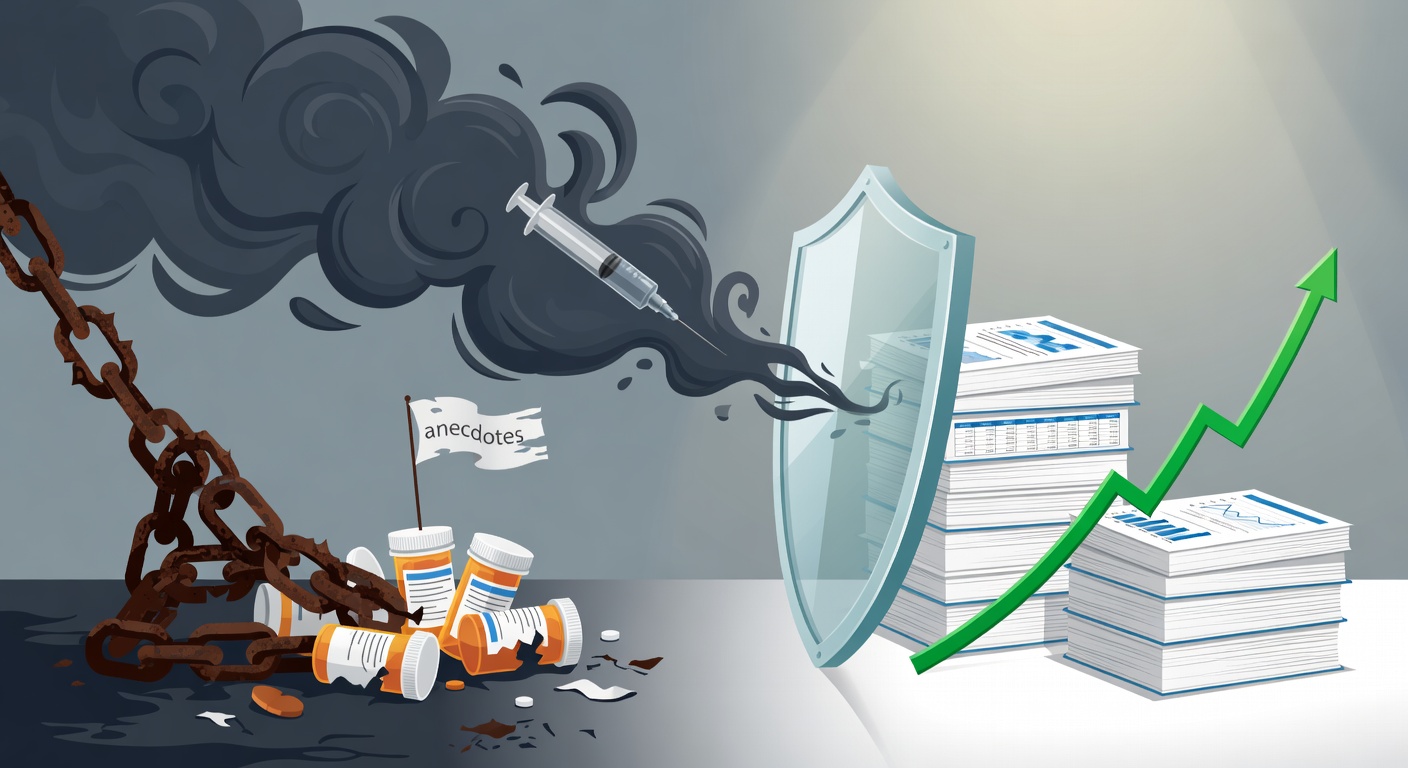
Health and Human Services Secretary Robert F. Kennedy Jr. stood before a crowd at the Make America Healthy Again Institute’s mental health summit in Washington on May 4, 2026. He vowed federal action to slash antidepressant prescriptions. One in six American adults relies on these drugs—SSRIs like Prozac, Zoloft, Lexapro, and Paxil—for depression, anxiety, PTSD. Kennedy calls it overmedicalization. Experts call it dangerous meddling.
His pitch drew on personal history. ‘I happen to be an actual expert on this because I was addicted to heroin for 14 years,’ he said, recounting over 100 cold-turkey withdrawals. Heroin hell lasted 72 hours, he claimed. SSRIs? Far worse. A family member, after years on them, woke suicidal daily. ‘The only reason I’m staying alive is for you guys,’ she told him. Kennedy says he’s heard this from hundreds. Quitting antidepressants tops heroin, in his view.
But science disagrees sharply. Stanford addiction expert Keith Humphreys, with 35 years in the field, has seen thousands hooked on heroin or opioids. Antidepressants? Two or three cases, max. ‘Different universes,’ he told Ars Technica. A 2024 Lancet study pins discontinuation symptoms on 15% of users; severe cases hit 3%. Heroin hooks nearly everyone who tries it. No data backs Kennedy’s equivalence.
Kennedy’s not new to this fight. During 2025 confirmation hearings, he linked SSRIs to school shootings, overprescribing to Black kids on Adderall and benzos. ‘Every Black kid is now just standard put on’ them, he said, pushing farm work and reparenting instead. Critics slammed it as racist pseudoscience. Now, as HHS head, he acts. Plans include clinician training on risks and alternatives like exercise, nutrition, therapy. SAMHSA will issue a ‘Dear Colleague’ letter stressing informed consent. CMS pushes de-prescribing with a new billing code for reimbursements.
The Wall Street Journal captured his urgency on May 5: ‘Too many patients begin treatment without a clear understanding of the risks, and how long they will stay on these drugs, or how to come off them.’ Kennedy promises no forced stops. Just better info. Wellness farms for addiction linger in his rhetoric, though voluntary.
Psychiatrists push back hard. The American Psychiatric Association objects to framing the crisis as overprescribing. ‘We strongly object to framing the nation’s mental health crisis as primarily a problem of “overmedicalization” or “overprescribing,”’ they stated, per Ars Technica. Access shortages rule: too few beds, providers, insurance coverage. A 2024 Health Affairs study warns past FDA black-box alerts cut youth prescriptions—and spiked suicides. Authors fear Kennedy’s words echo that, potentially costing lives, as noted in STAT News.
On X, reactions split. Mario Nawfal posted video of Kennedy’s emotional family tale, sparking thousands of views. Supporters cheer patient voices ignored too long. Detractors, like Occupy Democrats, decry a non-MD dictating care to millions. One post from Died Suddenly_ drew 1,800 likes: Kennedy’s story ‘heartbreaking.’ Critics cite his anti-vax past, questioning motives.
The New York Times, on May 4, detailed Kennedy repeating hearing claims despite debunkings. ‘The New York Times and a lot of other outlets published a response… whenever they say “trust the experts,” they got nothing,’ he shot back at the summit. Personal anecdotes trump studies, in his book.
Numbers paint a stark picture. Nearly 17 million adults on antidepressants long-term. Prescriptions rose amid pandemics, economic stress. Yet suicide rates climb; untreated depression kills. Kennedy’s push spotlights real issues—withdrawal ‘brain zaps,’ flu-like agony, prolonged misery for some. A 2019 British study found over half face symptoms tapering off. Patients like Kamala Harris’s stepdaughter Ella Emhoff aired doubts publicly last year, echoing WSJ podcasts on scant long-term data.
But broad federal nudges risk backlash. MedPage Today reported May 6: Clinicians must weigh patient needs, not mandates. Wellness over pills sounds good. Reality? Therapy waitlists stretch months. Nutrition fixes don’t touch severe cases. And heroin comparisons? They stigmatize care, experts say.
Kennedy dismisses naysayers. His MAHA movement gains steam, tying mental health to food, environment, pharma skepticism. Wellness farms. Farm work for kids. Bold. Contentious.
This isn’t abstract. Families balance pills against unknowns. HHS now tips scales. Will it save or scare patients off lifesavers? History—from FDA warnings to opioid overprescribing—shows words wield power. Kennedy’s echo that.


 WebProNews is an iEntry Publication