
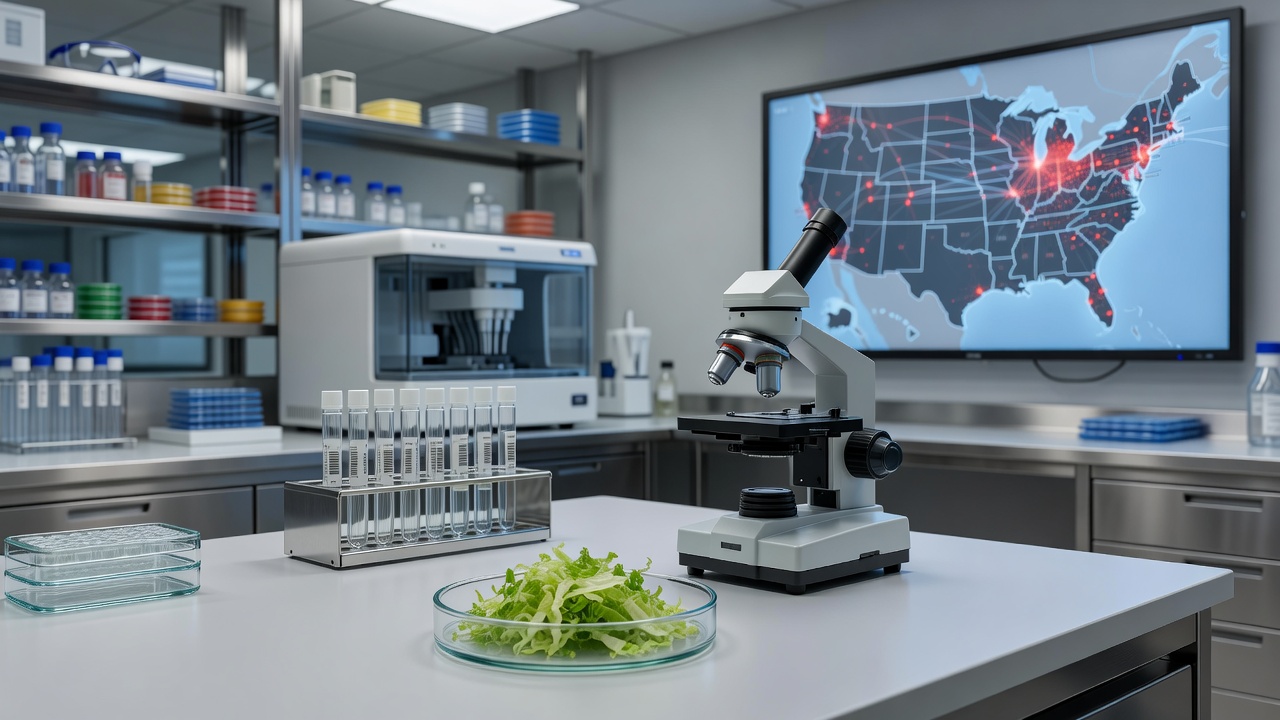
More than 1,600 people fell ill from a microscopic parasite this summer. The confirmed toll now stands at 1,645. Another 5,100 cases await verification. That marks a sharp rise from just 249 reported at the same point last year. Hospitals admitted 141 patients. None died. Yet the numbers tell only part of the story.
Health officials point to shredded iceberg lettuce served at Taco Bell restaurants. The chain used product from a single supplier in Mexico. Federal investigators traced the supply line. Taco Bell moved to halt use of the lettuce. The Food and Drug Administration continues to check whether the same contaminated batches reached other outlets. CDC investigation notice.
But this outbreak stretches beyond one restaurant. Michigan logged thousands of cases. Ohio reported over 1,000. Clusters appeared in Kentucky and West Virginia. In all, 34 states show activity. The parasite does not spread easily from person to person. It rides on fresh produce. And this season the produce carried Cyclospora cayetanensis.
Tracing the parasite from farm to fast-food counter reveals stubborn gaps in safety systems.
The parasite arrives in human feces. It needs days or weeks outside a host before it can infect again. That delay once made outbreaks hard to connect. Now advanced testing speeds detection. Still, memory fades. Patients struggle to recall meals from two weeks earlier. Investigators interview hundreds. Patterns emerge slowly.
Michigan health leaders noticed lettuce appear again and again. Natasha Bagdasarian, the state’s chief medical executive, said early data from more than 1,000 interviews flagged salad greens. The link strengthened when federal traceback reached a Mexican grower supplying Taco Bell. The PBS News report captured the moment officials went public.
Previous years brought similar alarms. In 2018 McDonald’s pulled salads after dozens sickened. That same period saw tainted lettuce from Mexico blamed for hundreds more cases. The FDA lists raspberries, basil, cilantro, snow peas and leafy greens among repeat offenders. Domestic farms now appear in some incidents too. FDA Cyclospora page.
Symptoms strike with force. Watery diarrhea. Sometimes explosive. Cramps, bloating, fatigue, loss of appetite. They surface about a week after exposure. They can drag on for weeks or months without treatment. Doctors prescribe trimethoprim-sulfamethoxazole for most patients. Hydration matters most. The very young, elderly and immunocompromised face higher risks. Yet even healthy adults end up drained and sidelined.
Consumers wonder what to do. The CDC offers straightforward advice. Wash hands. Rinse produce under running water. Cook to 158 degrees Fahrenheit if possible. Washing alone cannot guarantee safety. The parasite clings. Chemical rinses, UV lights and gadgets sold online do not work. Some experts suggest skipping bagged mixes during peak season. Others say the overall risk stays low for most people.
Dr. John Openshaw, an infectious-disease physician at Stanford, put it plainly. He told CNET that people should not abandon produce. “I wouldn’t necessarily suggest that people avoid produce, even though the number of people involved in the current outbreak or outbreaks seems large, overall the risk remains very low to most people.”
Public health labs face their own pressures. Recent staffing cuts and reduced federal support slow responses. A study showed states with stronger CDC ties catch more outbreaks. Underreporting remains common because routine stool tests often miss the parasite. Patients must ask specifically for Cyclospora screening.
And the supply chain? It spans borders. Mexico grows much of the winter lettuce and herbs eaten in the U.S. Heavy rains, poor sanitation and use of untreated water on fields create openings. Investigators still work to pinpoint exact contamination points at the implicated supplier. No recall has been issued yet. No single farm stands condemned.
Industry groups urge calm. The International Fresh Produce Association noted that no specific product, grower or supplier has been confirmed through lab tests for the broader outbreak. Patient questionnaires drive the lettuce hypothesis. Tomatoes and cilantro also surfaced in some interviews. Leads, not proof.
So far this outbreak clusters in the Midwest. Other states report scattered cases. Some may tie to different sources. The CDC tracks multiple simultaneous investigations. Summer always brings a rise in Cyclospora. This year broke records early.
Restaurants reacted. Taco Bell locations in the five affected states stopped serving the suspect lettuce. Chains across the country review suppliers. Growers in Mexico face renewed audits. Yet history suggests the problem returns. Past import bans on certain herbs worked for a time. Then new vehicles appeared.
Consumers hold limited power. They can buy whole heads of lettuce and discard outer leaves. They can cook greens in soups or stir-fries. They can watch for updates from state health departments. Above all they should seek care if diarrhea lasts beyond a few days. Dehydration sneaks up fast.
The outbreak exposes old weaknesses. Global trade outpaces safety oversight. Diagnostic tools lag. Public awareness stays low until headlines appear. Federal agencies now coordinate faster than in past decades. Still, the parasite persists. It hides in plain sight on dinner plates and in takeout bags.
Investigators continue. They test samples. They map distributions. They interview more patients. Answers may come in coming weeks. In the meantime the numbers keep climbing. One fact stands clear. Fresh produce brings nutrition and, occasionally, unwelcome guests. Vigilance, not panic, offers the best defense.


 WebProNews is an iEntry Publication