
Ethical Circuits: How Radboud University is Rewiring Employee Tech with Fairphone’s Sustainable Vision
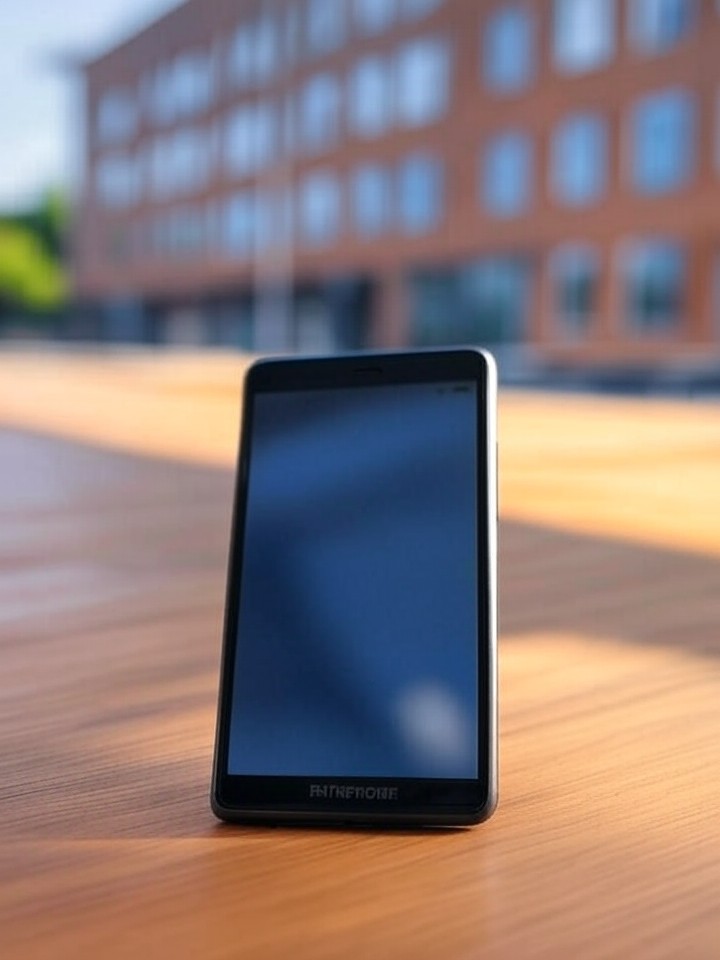
In a move that signals a growing emphasis on environmental responsibility within higher education, Radboud University in the Netherlands has announced its decision to adopt Fairphone as the standard smartphone for its employees. This shift, effective from February 1, 2026, replaces previous options like Samsung and iPhone models with Fairphone’s modular devices, prioritizing sustainability, cost savings, and streamlined IT management. The university’s choice reflects broader trends in institutional procurement, where ethical considerations are increasingly influencing technology decisions.
Fairphone, a Dutch company founded in 2013, has built its reputation on producing smartphones that emphasize repairability, fair labor practices, and minimal environmental impact. Unlike mainstream manufacturers, Fairphone designs its phones with user-replaceable parts, such as batteries and screens, to extend device lifespans and reduce electronic waste. This approach aligns with global efforts to combat the e-waste crisis, which sees millions of tons of discarded electronics polluting landfills annually.
Radboud University’s announcement, detailed in an official staff news release, highlights how the institution evaluated various factors before settling on Fairphone. The decision was driven by the need to balance ecological goals with practical operational needs, marking a departure from the high-turnover cycle typical of consumer electronics.
A Pivot Toward Planetary Priorities
The university’s press release, published on its website, explains that Fairphone was selected for its superior sustainability credentials. According to the Radboud University staff news, the modular design allows for easy repairs, potentially doubling the average lifespan of a device compared to traditional smartphones. This not only cuts down on waste but also reduces the carbon footprint associated with manufacturing new units.
Cost efficiency played a pivotal role as well. By standardizing on a single model, Radboud anticipates lower maintenance and support expenses. Previously, the university managed a mix of devices, which complicated IT oversight and increased costs. Fairphone’s commitment to long-term software updates—up to six years—further ensures that devices remain secure and functional without frequent replacements.
Management support is another key benefit cited in the announcement. Fairphone’s devices integrate seamlessly with enterprise systems, offering robust security features that meet the university’s data protection standards. This is particularly important for an academic institution handling sensitive research and personal information.
Echoes from the Tech Community
News of the decision quickly spread across tech forums and media outlets. A discussion on Hacker News, as reported in a thread from Hacker News, sparked debates about the feasibility of sustainable tech in professional settings. Commenters praised the move for setting a precedent, while others questioned whether Fairphone’s performance could match that of industry giants like Apple or Samsung.
In the Netherlands, tech site Tweakers covered the story extensively. Their article from Tweakers notes that Radboud’s employees will receive Fairphones as the default work phone, with the university emphasizing the devices’ repairability and lower long-term costs. This aligns with national pushes for greener policies, as the Dutch government encourages sustainable practices in public sectors.
Another perspective came from NU.nl, which collaborated with Tweakers on a piece highlighting the university’s goal to be more environmentally friendly and budget-conscious. The report from NU.nl details how Fairphones’ modular components make them easier to maintain, potentially saving the institution thousands in replacement costs over time.
Fairphone’s Broader Mission and Challenges
Fairphone’s ethos extends beyond hardware. As outlined on their own resources page from Fairphone, the company participates in research projects to promote fairer electronics, focusing on transparent supply chains and ethical sourcing of materials like cobalt and gold. This transparency is a stark contrast to the opaque practices of some larger manufacturers, where labor exploitation and environmental degradation often go unchecked.
However, Fairphone isn’t without its hurdles. Recent reports indicate software update issues; for instance, Android Authority reported in Android Authority that a pulled update for the Fairphone 4 caused some devices to brick, raising concerns about reliability. Despite this, Fairphone’s commitment to fixes and community feedback has helped maintain its loyal user base.
Social media sentiment on X (formerly Twitter) reflects a mix of enthusiasm and skepticism. Posts from users like tech reviewers and sustainability advocates highlight Fairphone’s repairable design and e-waste neutrality, where the company recycles an equivalent phone for each one sold. One post from 2022 by Fairphone itself emphasized this initiative, underscoring their industry-first approach to compensating for materials introduced to the market.
University Policies in Flux
Radboud’s telephony guidelines, available on their staff services page from Radboud University telephony, already encourage employees to consult coordinators for device options. The new policy builds on this by mandating Fairphone as the standard, though exceptions might be made for specific needs, such as reissuing used Samsungs if inventory allows, as mentioned in some X posts discussing cost-cutting measures.
This decision comes amid broader updates at the university, including a new code of conduct for ICT and internet use, as noted in a recent announcement from Radboud University news. The code emphasizes safe and professional digital practices, which Fairphone’s secure, updatable platform supports.
Comparatively, other institutions are watching closely. While not widespread, similar adoptions have occurred in eco-conscious organizations. For example, some European companies have trialed Fairphone for corporate fleets, drawn by its alignment with EU regulations on right-to-repair and circular economy principles.
Industry Ripples and Expert Insights
Experts in sustainable technology view Radboud’s move as a bellwether. In an article from K-online, discussions on Fairphone’s use of sustainable plastics highlight how the company minimizes resource loss through longevity-focused design. This resonates with Radboud’s academic mission, which includes research in environmental sciences.
iFixit, a repair advocacy site, recently praised the upcoming Fairphone 6 in iFixit for its swappable components and Google-free OS option, emphasizing privacy and repairability. Such features could appeal to university staff concerned about data security in research environments.
On X, posts from influencers like C4ETech from 2021 lauded Fairphone’s warranty and updates, while Euronews Green in the same year positioned it as a transparent alternative to mainstream phones. These sentiments suggest growing consumer interest in ethical tech, potentially pressuring larger players to adopt similar practices.
Economic and Ethical Calculations
Economically, the switch could yield significant savings. Radboud estimates that Fairphone’s durability will reduce replacement cycles from every two years to four or more, based on internal assessments referenced in their announcement. This is crucial for a publicly funded institution facing budget constraints.
Ethically, the decision underscores a commitment to global fairness. Fairphone’s mapping of supply chains, as discussed in older posts from Android Authority in 2016, sets an example for accountability in electronics. By choosing Fairphone, Radboud not only lowers its environmental impact but also supports fair labor practices in mining regions often plagued by exploitation.
Critics, however, argue that performance trade-offs might hinder adoption. Fairphone devices, while capable, don’t always match the processing power or camera quality of flagships, potentially frustrating users accustomed to premium features. Yet, for work-focused use like emails and calls, they suffice, as per user feedback on platforms like X.
Looking Ahead: Sustainability in Academia
As Radboud implements this policy, monitoring its success will be key. The university plans to track metrics like device longevity and employee satisfaction, which could inform future expansions. If successful, it might inspire other universities to follow suit, accelerating the shift toward sustainable tech procurement.
Broader implications extend to the smartphone industry. With Fairphone’s innovations, such as the Fairbuds TWS earbuds mentioned in a 2024 X post by Mukul Sharma, the company is expanding its ecosystem, challenging the disposability norm.
Ultimately, Radboud’s choice exemplifies how institutions can lead by example, integrating sustainability into everyday operations. As one X user noted recently, this makes ethical tech an everyday reality, bridging the gap between ideals and implementation in higher education.


 WebProNews is an iEntry Publication