
Inferno at Rad Power: A Blaze That Exposes Cracks in the E-Bike Boom
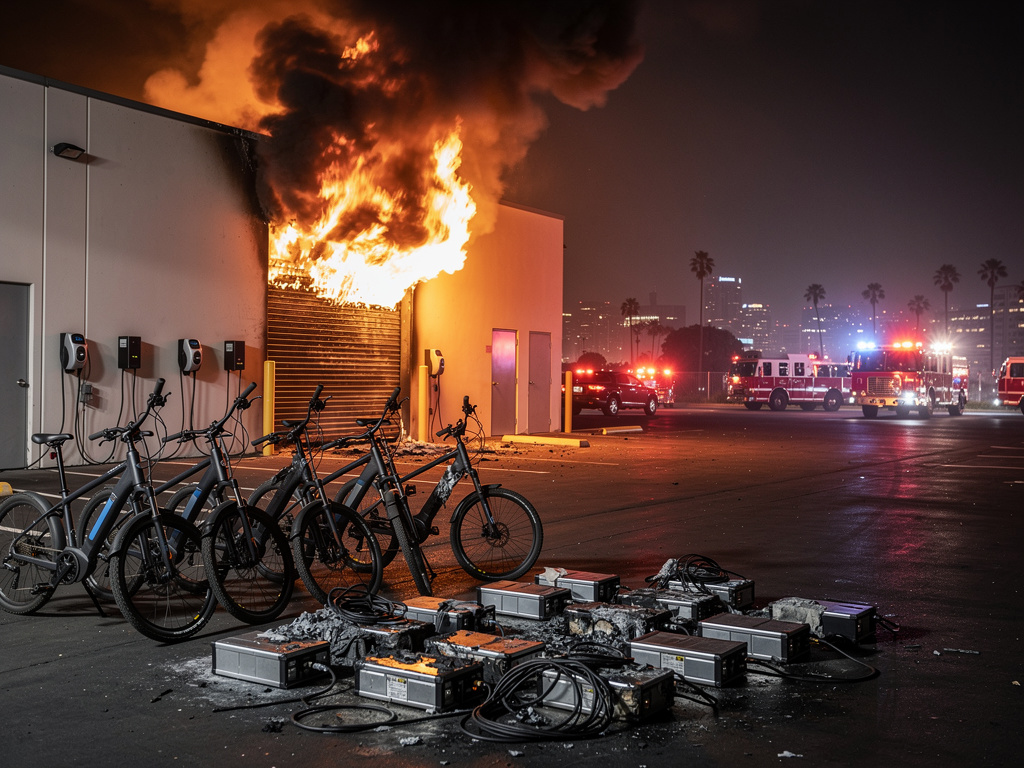
In the early hours of January 20, 2026, flames erupted at a Rad Power Bikes warehouse in Huntington Beach, California, sending plumes of smoke into the night sky and drawing a swift response from local firefighters. The incident, which required a two-alarm effort to contain, occurred mere weeks after federal regulators issued stark warnings about the fire risks posed by certain Rad Power battery models. This fire not only disrupted operations at one of the company’s key facilities but also amplified ongoing concerns about lithium-ion battery safety in the rapidly growing electric bicycle sector.
Eyewitness accounts and initial reports described intense heat and explosions consistent with battery-related incidents, though investigators have yet to confirm the exact cause. The warehouse, which doubled as a retail space, housed inventory including e-bikes and spare parts, raising immediate questions about potential losses and supply chain disruptions. Rad Power Bikes, already navigating turbulent waters, confirmed the blaze in a statement, emphasizing that no injuries occurred but acknowledging the setback amid their financial restructuring.
This event unfolds against a backdrop of mounting scrutiny for Rad Power, a Seattle-based pioneer in affordable e-bikes that once symbolized the democratization of electric mobility. Founded in 2009, the company rode the wave of urban commuting trends, selling millions of units and expanding globally. However, recent years have seen a cascade of challenges, from product recalls to legal battles, culminating in this dramatic fire.
Regulatory Warnings Ignite Industry Alarm
The U.S. Consumer Product Safety Commission (CPSC) had sounded the alarm on November 24, 2025, urging consumers to immediately stop using specific Rad Power battery models—RP-1304, RAD-S1304Y, and HL-RP-S1304—due to risks of ignition and explosion. According to the agency’s alert, detailed in their official warning, these batteries were linked to at least 31 reported fires, some resulting in severe property damage and injuries. The CPSC’s directive was unequivocal: dispose of the batteries at hazardous waste facilities and avoid charging or storing them indoors.
Rad Power disputed the findings, issuing a response on their newsroom site that same day, asserting the batteries met safety standards and criticizing the CPSC for not collaborating on a voluntary recall. As reported in Rad Power Bikes Newsroom, the company highlighted their track record and ongoing testing, but the disagreement only fueled public debate. Industry observers noted that such public spats between regulators and manufacturers are rare, often signaling deeper issues in product oversight.
The warnings gained traction through media coverage, with The New York Times detailing how the batteries should be “immediately and safely disposed of,” while the company pushed back against the agency’s claims. This tension escalated when, just weeks later on December 16, 2025, Rad Power filed for Chapter 11 bankruptcy protection, as covered in Seattle Bike Blog. The filing cited financial strains, including the inability to fund a full recall, leaving customers in limbo.
Bankruptcy’s Shadow Over Safety Measures
Chapter 11 proceedings, intended to allow reorganization while continuing operations, have cast uncertainty over Rad Power’s future. Sources familiar with the matter indicate that the bankruptcy voided warranties for bikes purchased before December 15, 2025, a move that has frustrated owners seeking repairs or replacements. One former St. Paul councilmember claimed a Rad battery fire destroyed his home, adding a personal dimension to the corporate narrative, as noted in the same Seattle Bike Blog piece.
Amid these woes, Rad Power attempted to pivot by launching a “new” e-bike model in early January 2026, as announced in Electrek. The release, however, was overshadowed by speculation about the company’s viability, with indicators suggesting a potential shutdown. Insiders point to declining sales in a saturated market, where competitors like Trek and Specialized have captured premium segments, leaving Rad vulnerable in the budget arena.
The warehouse fire, detailed in an Engadget report published shortly after the incident, highlighted the irony: a facility storing potentially hazardous batteries igniting just as warnings proliferated. Fire officials in Huntington Beach described challenges in extinguishing the blaze, reminiscent of lithium-ion fire behaviors that resist traditional suppression methods.
Public Sentiment and Social Media Echoes
On platforms like X (formerly Twitter), the incident sparked a flurry of discussions blending concern, sarcasm, and calls for accountability. Posts from users highlighted broader fears about e-bike batteries, with some sharing videos of past fires and warning of the dangers of charging lithium-ion devices indoors. One thread emphasized how water exacerbates such blazes, drawing parallels to larger electric vehicle risks, reflecting a sentiment of skepticism toward green technologies.
Industry voices on X amplified the narrative, with accounts like Electrek.co tweeting about the fire at Rad’s California site, underscoring it as the latest trouble for the startup. Another post from a tech startup aggregator lamented the potential impact on consumers, linking to reports of the blaze and bankruptcy. These online reactions underscore a growing wariness among riders and potential buyers, who are increasingly demanding transparency from e-bike makers.
Beyond social media, advocacy groups and safety experts have weighed in. A BikePortland article echoed the CPSC’s stance, labeling the batteries as prone to fires and explosions, while Consumer Reports reinforced the risks, citing the potential for serious injury or death based on incident reports.
Broader Implications for Electric Mobility
The Rad Power saga mirrors wider challenges in the e-bike industry, where explosive growth—fueled by post-pandemic commuting shifts—has outpaced regulatory frameworks. Global sales of e-bikes surpassed 40 million units in 2025, according to market analyses, but incidents like New York City’s 267 lithium-ion battery fires in 2024, as referenced in various X posts, highlight systemic vulnerabilities. Fire departments worldwide report difficulties combating these blazes, which can reignite hours after initial suppression due to thermal runaway.
Experts argue that manufacturing standards vary widely, with cheaper imports often skimping on safety features like robust cell separation or advanced management systems. Rad Power, positioned as an accessible brand, sourced components globally, a strategy that lowered costs but potentially increased risks. In response, some competitors have invested in UL-certified batteries, setting a higher bar that Rad struggled to match amid financial pressures.
Legal ramifications are mounting too. Class-action lawsuits against Rad Power allege negligence in battery design, with plaintiffs citing property damage and emotional distress. The bankruptcy filing complicates these cases, as creditors and litigants vie for limited assets, potentially delaying resolutions for affected consumers.
Path Forward Amid Uncertainty
As investigations into the warehouse fire continue, Rad Power has pledged to cooperate fully, though details remain sparse. Company executives, in statements to media, have reiterated commitments to safety innovations, including enhanced battery monitoring in future models. Yet, with bankruptcy proceedings ongoing, the firm’s ability to implement changes is uncertain.
For industry insiders, this episode serves as a cautionary tale about balancing affordability with reliability in emerging tech sectors. Regulators like the CPSC are pushing for stricter guidelines, including mandatory third-party testing for all e-bike batteries imported into the U.S. Proposals discussed in recent congressional hearings aim to standardize safety protocols, potentially reshaping how companies like Rad operate.
Meanwhile, consumers are advised to check battery models against CPSC lists and adopt best practices, such as using manufacturer-approved chargers and storing units in ventilated areas. The fire at Rad’s warehouse, while contained, ignites a critical dialogue on preventing future incidents in an industry poised for further expansion.
Evolving Standards and Consumer Trust
Looking ahead, the e-bike sector must address these safety gaps to sustain growth. Innovations like solid-state batteries, which promise reduced fire risks, are on the horizon but years from widespread adoption. In the interim, education campaigns—supported by organizations like the National Fire Protection Association—are gaining traction, teaching users about warning signs like swelling batteries or unusual odors.
Rad Power’s challenges also spotlight financial fragility in the startup ecosystem. Venture capital that once flowed freely into mobility tech has tightened, leaving companies exposed to operational shocks. Analysts predict consolidations, with stronger players acquiring distressed assets, potentially benefiting consumers through improved quality control.
Ultimately, the warehouse blaze and preceding warnings underscore the high stakes of innovation in personal transportation. As Rad Power navigates its restructuring, the industry watches closely, hoping lessons learned will fortify the foundation of electric biking for years to come.


 WebProNews is an iEntry Publication